

Maintaining employee work uniforms is both time-consuming and expensive. But if uniforms are not properly managed, it may result in items being lost, misplaced, or unclean, making them unusable at any time. This can easily lead to shortages, which in turn have a negative impact on the organization’s ability to provide services, protect employees, or leave a good impression on customers.
An effective unified management system using the latest tracking technology can solve these problems. Uniforms are an investment, especially in large-scale operations, so tracking uniforms and their lifecycle can greatly affect the return on investment.
1.Who can benefit from unified tracking
Whether your business is facility management or management services, hotels, public services, or the automotive industry – cross industry businesses can benefit from understanding the location of uniforms.
The requirements for work uniforms vary among organizations. Protective firefighter uniforms need to maintain suitability, shared hotel employee uniforms need to be quickly washed, and contractor uniforms must be compared with specific workers to determine responsibility. Regardless of the main driving factors behind tracking uniforms, many businesses benefit from management systems that ensure employees have the uniforms they need. For more examples on how the system can be applied to different industries, please refer to our unified management example.
However, these systems must be robust. Manually tracking uniforms with barcodes or simply counting clothing is both time-consuming and prone to errors. It’s easy to forget to update inventory tables and fill out sign in forms. Not to mention, following these processes will take up employees’ time, which could have been used elsewhere in the company. Compared to more efficient and automated tracking solutions, clothing in manual systems is more prone to loss, resulting in unnecessary replacement costs.
Through advanced tracking technology, this process can be improved and simplified.
2.How does unified tracking work
RFID (Radio Frequency Identification) is a tracking technology that utilizes electromagnetic fields to identify data and track professional tags. These tags contain a microchip with a unique ID and a wireless antenna.
In order to track the location of the uniform, each garment to be tracked will be sewn or equipped with a dedicated passive fabric RFID tag. The label is waterproof and can withstand high temperatures, so it can withstand the test of professional cleaning procedures. Usually, these letters are sewn onto the label. The unique ID of each tag will then be registered in the database, containing detailed information about the specific clothing, such as purchase date, owner, size, and care instructions.
Use mobile handheld or fixed card readers at key locations to track the status of clothing during laundry and usage cycles. For example, this can be in dirty shops, areas where clothes are coming in and out (from laundry to laundry), the laundry itself, or places where uniforms are stored for use. In addition, handheld card readers can be used for delivery and receiving vehicles to register the collection or delivery of clothing.
These location information will then be sent to a central database, which users can view on their computers, tablets, or mobile phones to fully grasp their uniform assets at any time. In addition, items can be uniquely identified to ensure that uniforms receive proper care and can be returned to the correct wearer.
3.7 ways RFID tracking helps with unified management
RFID tracking technology can support unified management at multiple levels, especially in terms of cost. But there are other advantages as well. These include:
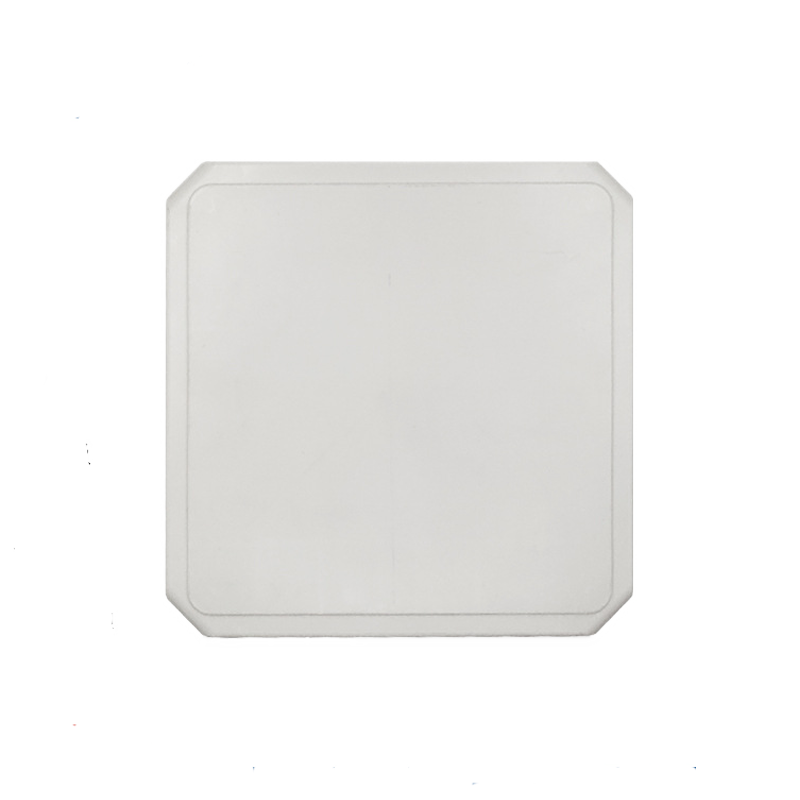
3.1 Provide inventory overview
By tracking uniforms through RFID, the location of clothing can be accurately and in real-time determined – how much is in the warehouse, how much has been shipped out, and how much has not been returned. This means that you can have comprehensive control over inventory and ensure that there is always sufficient quantity of the required items.
3.2 Save time
The RFiD card reader does not require removing all clothes from the laundry bag and manually sorting them, but can detect the contents of the collection bag within seconds. This eliminates the need for visual recognition and speeds up the process. Using fixed card readers at critical locations can automate the tracking process and further save time.
3.3 Understanding a Uniform Lifecycle
With the latest uniform lifecycle data, you can monitor daily wear and tear at any time and predict when replacement is needed. Due to the unique identification of items, you can also compare which types of clothing are more durable, thereby identifying space savings, reducing capital expenditures, and increasing return on investment.
3.4 Creating More Efficient Processes
Improving clothing tracking means identifying and resolving potential bottlenecks in the uniform management system, such as delays caused by a certain link in the laundry or reassignment process. Inventory can also be completed quickly or even automatically, without the need for inventory counting.
3.5 Ensure correct clothing care
The central database not only identifies location data, but also provides nursing instructions. For example, if the card reader near the laundry station detects a label, the system may remind the clothing that it should not be processed for dry cleaning only. This system ensures that clothing is properly cleaned, helping to extend the lifespan of clothing and reduce waste.
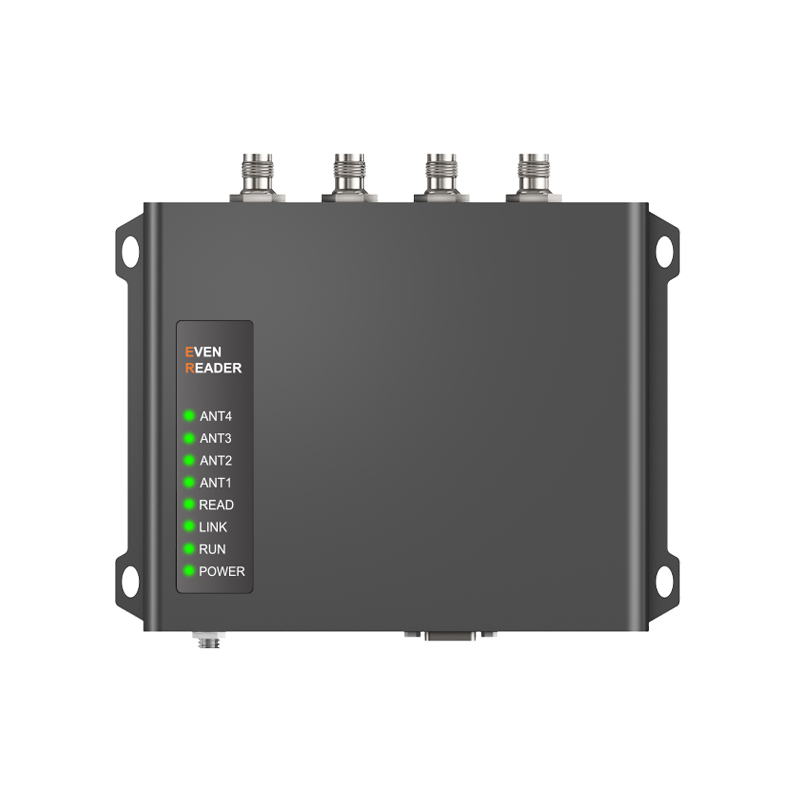
3.6 Visibility of cost savings
RFID tags allow access to a wide range of data from procurement to maintenance. This not only allows the audience to see individual pieces of clothing, but also provides a top-level view. With this data, you can analyze the cleaning cost of each piece of clothing, the washing situation of the clothing, and track unified expenses.
3.7 Enhancing Accountability
As items can be uniquely identified, they can be assigned to the wearer who is responsible for their safe return. This adds a new sense of responsibility to anyone wearing your uniform, helping you reduce the risk of shortages and asset loss.

RFID Handheld Reader
4. Conclusion
A unified management system can bring about change. Using RFID tracking technology can help you optimize your system and achieve significant return on investment. Due to the high costs that may arise from improper uniform management, managing employee uniforms can help reduce waste and achieve long-term savings.