

In an increasingly connected world, Radio-Frequency Identification (RFID) technology has become ubiquitous—from contactless payment cards and passport chips to inventory tracking and access control systems. But as its use expands, a critical question arises: Are RFID tags secure? The answer is nuanced. While RFID technology offers convenience and efficiency, its security largely depends on implementation, encryption, and protective measures. This article explores how RFID works, what makes an RFID tag secure, and how RFID protection technologies help safeguard your data.
1. What Is RFID?
RFID stands for Radio-Frequency Identification. It is a wireless technology that uses electromagnetic fields to automatically identify and track objects, animals, or people. An RFID system consists of three core components:
- RFID Tags: Small devices containing a microchip and an antenna. They store and transmit data wirelessly.
- RFID Readers: Devices that send and receive radio waves to communicate with tags.
- Backend System: Software that processes and manages the collected data.
Unlike barcodes, RFID tags do not require direct line-of-sight to be read. They can be scanned from a distance, through materials, and at high speeds, making them ideal for logistics, retail, security, and automation.

Alien ALN-9662 Short RFID White WET Inlay – High-Performance UHF RFID for Asset Tracking
2.How Does RFID Work?
The operation of an RFID system is based on simple radio wave principles:
Activation: When an RFID tag enters the range of a reader, the reader emits a radio signal.
Power Supply:
- Passive RFID Tags: Have no internal power source. They draw energy from the reader’s radio waves to power the chip and transmit data.
- Active RFID Tags: Contain a battery, allowing them to broadcast signals over longer distances.
Data Transmission: The tag’s microchip modulates the radio signal and sends back stored information (e.g., a unique ID or encrypted data) to the reader.
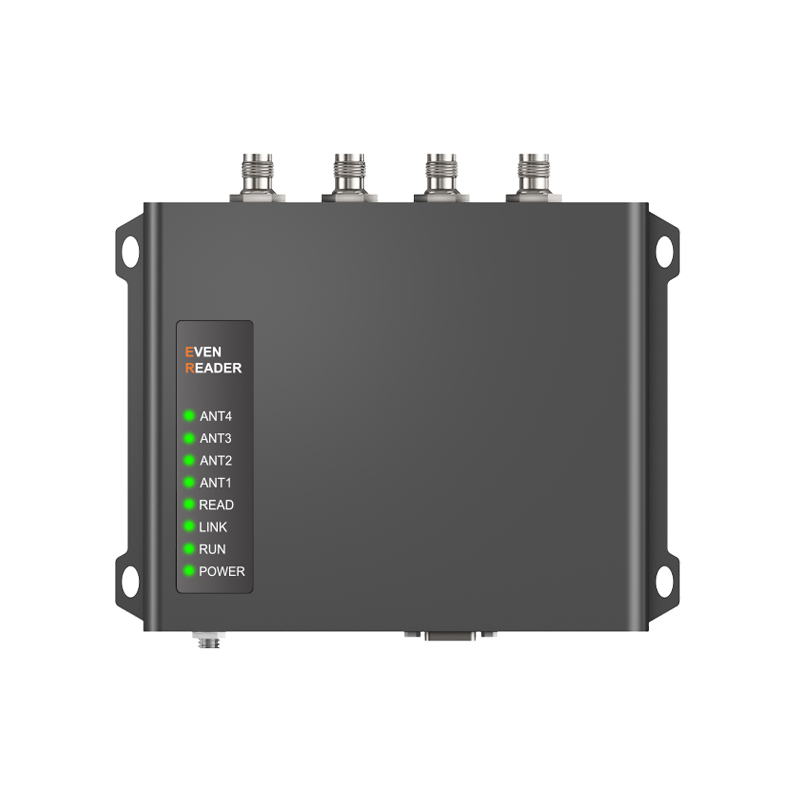
Data Processing: The reader decodes the signal and forwards the information to a backend system for authentication, tracking, or logging.
RFID systems operate across different frequency bands, each with distinct characteristics:
- Low Frequency (LF, 125–134 kHz): Short range (a few cm), used for animal tracking and access cards.
- High Frequency (HF, 13.56 MHz): Medium range (up to 1 m), common in contactless payments (NFC) and passports.
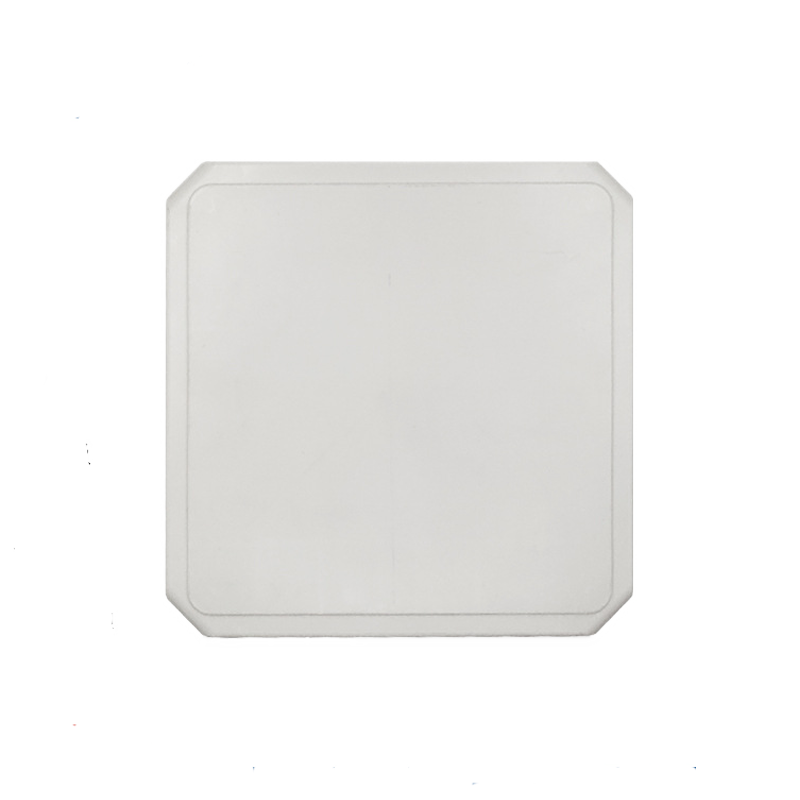
- Ultra-High Frequency (UHF, 860–960 MHz): Long range (up to 12 m), widely used in inventory and supply chain management.
3.What Are Secure RFID Tags?
Not all RFID tags are created equal. Secure RFID tags are specifically designed with built-in features to prevent unauthorized access, cloning, or data theft. Key security features include:
- Encryption: Data transmitted between the tag and reader is encrypted using cryptographic protocols (e.g., AES-128), making intercepted signals unreadable without the correct key.
- Authentication: Implements challenge-response protocols where the tag and reader verify each other’s legitimacy before exchanging data.
- Unique Identifiers: Each tag contains a factory-programmed, unchangeable serial number that cannot be duplicated.
- Tamper Resistance: Physical hardening or tamper-evident designs prevent physical extraction of the chip or data.
- Dynamic Data: Some tags generate a new code with each transaction, preventing replay attacks.
Examples of Secure RFID Applications:
- Contactless Payment Cards: Use tokenization and one-time codes.
- E-Passports: Employ Basic Access Control (BAC) and encryption.
- High-Security Access Cards: Require mutual authentication and encrypted communication.
Without these features, standard RFID tags are vulnerable to threats like eavesdropping, skimming, cloning, and relay attacks.
4.How Does RFID Protection Work?
For everyday users, RFID protection focuses on preventing unauthorized scanning of cards or documents. Common protection methods include:
RFID-Blocking Materials:
- Wallets, sleeves, or passport holders made with metalized fabrics (e.g., carbon fiber, aluminum-lined layers) create a Faraday cage effect. This cage blocks electromagnetic fields, preventing radio waves from reaching the tag.
- Materials like copper, nickel, or silver are commonly used for shielding.
DIY Solutions:
- Aluminum Foil: Wrapping cards in foil can disrupt radio signals effectively.
- Tyvek or Metal Mesh: Homemade sleeves from conductive materials offer low-cost protection.
Active Jamming Devices:
- Small battery-powered devices emit radio noise to interfere with nearby RFID readers (note: legal restrictions may apply in some regions).
Software and Protocol Security:
- For organizations, implementing encryption, authentication, and secure key management in RFID systems is essential.
- Regular security audits and penetration testing help identify vulnerabilities.
5.Conclusion: Balancing Convenience and Security
So, are RFID tags secure? They can be—if designed with robust security features and used alongside protective measures. While everyday RFID technology (like payment cards) incorporates advanced encryption, concerns about unauthorized scanning remain valid. By understanding how RFID works, opting for secure RFID tags when possible, and using RFID-blocking accessories when necessary, individuals and organizations can enjoy the benefits of RFID without compromising security.
As technology evolves, so do both threats and defenses. Staying informed and proactive is the key to navigating the RFID landscape safely.