

In traditional farm management, counting, tracking, and managing sheep is a time-consuming, labor-intensive, and error-prone task. RFID ear tags revolutionize this process by providing each animal with a unique identity. This article explains how leveraging RFID ear tag technology builds an efficient, accurate, and automated management system, solving core pain points in inventory, health monitoring, breeding, and theft prevention.


RFID Sheep Ear Tag
1.Challenges faced by traditional sheep quantity management
1. Difficulty in quantity counting: Herds have strong mobility, especially during slaughter, stocking, and transfer. Manual counting is time-consuming and labor-intensive, and is prone to duplicate or missed counts, resulting in poor data accuracy.
2. Lack of individual recognition: It is difficult to distinguish each sheep based solely on ear tags or memory, and it is impossible to accurately track and manage specific individuals (such as high-quality breeding sheep, pregnant ewes, and sick sheep).
3. Blank life records: Lack of effective individual data recording methods, making it difficult to correlate and query information such as sheep genealogy, vaccination history, disease treatment history, and growth weight.
4. Anti theft and security vulnerabilities: Unable to monitor the dynamics of the herd in real-time, making it difficult to detect and trace lost or stolen items in a timely manner.
5. Low production efficiency: Extensive management, reliance on experience, and inability to make scientific breeding, feeding, and sales decisions based on data.

2. Overview of RFID Technology Solutions
The RFID system mainly consists of three parts:
- Electronic tags: implanted or worn on sheep (usually in the form of ear tags), storing a unique identification code (ID).
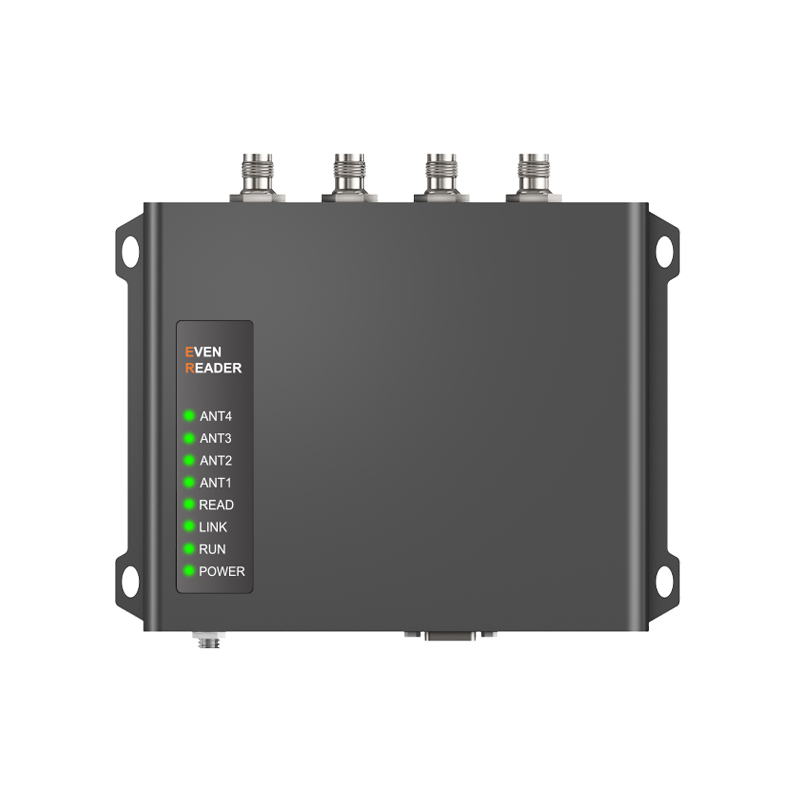
- Reader (reader/writer): fixedly installed in key channels (such as the entrance of the enclosure, drinking point, weighing channel), or held by staff for reading tag information.
- Data center and management software: Receive data from readers, store, process, and analyze it, and provide visual management interfaces for farmers.

3.How RFID systems specifically address quantity management issues
3.1 Implement second level automatic inventory, with accurate and error free quantities
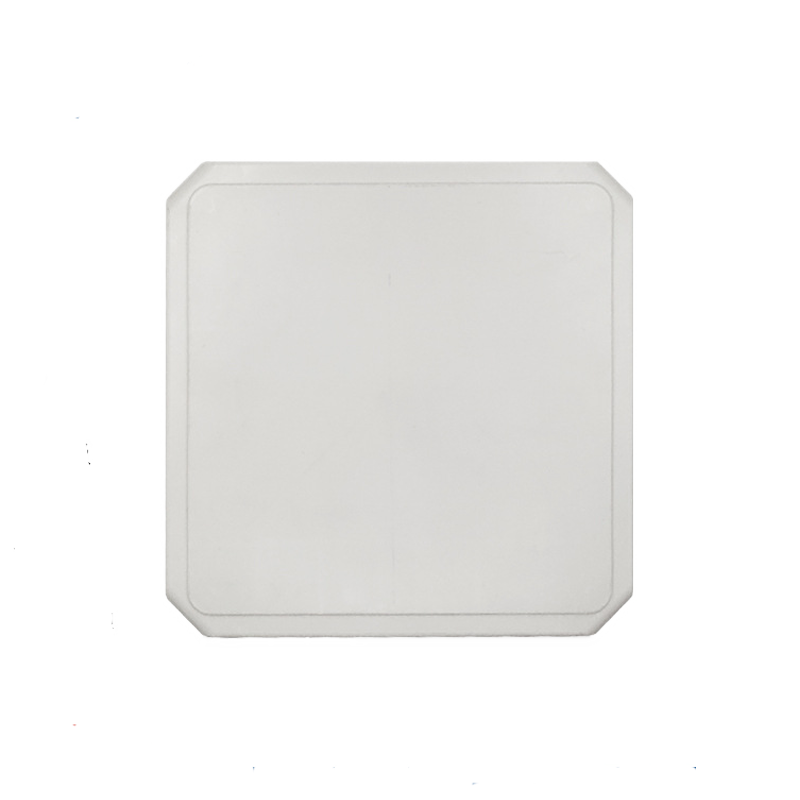
Scenario: Install fixed RFID readers at the entrance and exit of the sheep pen, above the passage.
Solution: When the sheep pass by, the reader can instantly read the ID number in each sheep ear tag in bulk, without the need for close contact. The management software automatically records the IDs and times of sheep entering and leaving, and updates the inventory quantity in real-time.
Benefit: Shorten hours of manual counting to just a few seconds, with an accuracy rate close to 100%, especially suitable for large-scale breeding farms.
3.2 Establish precise individual management of “one sheep, one file”
Scenario: The RFID ear tag ID number of each sheep is bound to its individual information in the system.
Solution: By using a handheld RFID reader, staff can quickly retrieve the complete file of the sheep and enter new operation records by scanning the ear tag during vaccination, disease treatment, weighing, breeding, and other operations.
Benefit: The leap from “group management” to “individual management” has been achieved, providing a data foundation for scientific breeding, precision medicine, and optimized feed formulations.
3.3 Optimize key production processes
Automatic Grouping: Set up a reader in a specific channel (such as a weighing channel), and when the system recognizes sheep that have reached the slaughter weight or pregnant sheep that require special care, it can automatically trigger the grouping door to guide them to the designated area.
Estrus monitoring and precision breeding: Install a reader on the breeding ram, and when it comes into contact with the ewe, the system records the ewe ID and time of contact, assisting in determining the optimal mating time for the ewe and improving the conception rate.
3.4 Strengthen the anti-theft and traceability system
Real time monitoring: Install readers at the farm boundary or key areas, and if any sheep leave the designated area at abnormal times, the system can immediately issue an alarm.
Full traceability: RFID ear tags can run through the entire life of sheep, until they are slaughtered and processed into lamb products. Consumers can trace the birth farm, breeding process, quarantine information, etc. of sheep by scanning the QR code on the product packaging, enhancing the brand value and food safety transparency of the product.
4.Implementation steps and suggestions
4.1 Planning and Selection
Assess farm size, herd size, and budget.
Choose the appropriate RFID device: Sheep typically use low-frequency (LF) or ultra-high frequency (UHF) ear tags. LF has good resistance to metal liquid interference and stable reading; UHF reading distance is far, more suitable for channel based batch inventory.
4.2 Tag wearing and data initialization
Wear RFID ear tags for each sheep to ensure stability.
Create a file for each tag ID in the management software and enter basic information about the sheep (such as breed, gender, date of birth, paternal and maternal lineage, etc.).
4.3 Infrastructure deployment
Install fixed readers at key nodes such as the entrance of the sheep pen, transition passage, and weighing area.
Ensure stable network connection for real-time data transmission to servers or cloud platforms.
4.4 Personnel Training and System Trial Operation
Train farm employees to use handheld devices and software systems.
Conduct a trial run for a period of time, calibrate the system, and ensure accurate reading.
4.5 Comprehensive launch and continuous optimization
Formally launch the system and use RFID data as the core basis for daily management.
Continuously optimize management processes based on actual usage.
5.Conclusion
RFID technology provides a revolutionary solution to the problem of sheep quantity management that has plagued farmers for many years. It is not just a “counter”, but also a comprehensive management platform that integrates automatic inventory, individual tracking, process optimization, security and anti-theft, and product traceability. By investing in RFID systems, farms can achieve:
Cost reduction and efficiency improvement: significantly reducing labor costs and improving management efficiency.
Improving quality and increasing income: By implementing refined feeding practices, we aim to enhance the health and quality of sheep herds, thereby increasing economic benefits.