

A custom sewn NFC textile tag combines contactless NFC technology with a soft, durable fabric structure. Unlike a standard NFC inlay or adhesive NFC sticker, the finished product may include textile cutting, printing or embroidery, sewing, NFC inlay integration, reinforced openings and final assembly.
This type of NFC tag is increasingly used in apparel, fashion accessories, reusable products, product authentication, customer engagement and smart packaging. However, producing a reliable sewn NFC product requires more than simply placing an NFC inlay inside a piece of fabric. The position of the antenna, sewing area, textile material and final testing process must all be considered during product development.
1.What Is a Custom Sewn NFC Textile Tag?
A custom sewn NFC textile tag is a fabric-based tag containing an embedded NFC chip and antenna. When a compatible smartphone or NFC reader approaches the tag, the chip can provide access to stored information or direct the user to a digital service.
Depending on the application, an NFC textile tag can be programmed with:
- A product information page
- Brand or manufacturer details
- Authentication information
- Care instructions
- A website or social media link
- Registration or warranty information
- A unique product identification number
- Inventory or traceability data
The textile exterior can be customized according to the required shape, color, material and branding style. Printing, woven graphics or embroidery may be considered, provided that the production process does not damage or interfere with the NFC antenna.
2.Why Use NTAG213 in Sewn NFC Tags?
The NXP NTAG213 is a commonly selected chip for custom fabric NFC applications. It operates at 13.56 MHz and complies with ISO/IEC 14443 Type A. It is compatible with many NFC-enabled smartphones and standard NFC readers.
An NTAG213 textile tag can be used for applications such as product identification, website access, digital content, brand interaction and basic authentication workflows.
Key NTAG213 features include:
- 13.56 MHz operating frequency
- ISO/IEC 14443 Type A compatibility
- 144 bytes of user memory
- 7-byte unique identifier
- Password protection support
- Originality signature
- Fast smartphone interaction
- Passive operation without a battery
The exact chip should be confirmed before sampling. When a project specifies an original NXP chip, the supplier should also verify the chip model and sourcing channel.
NFC Inlay Position Is Critical
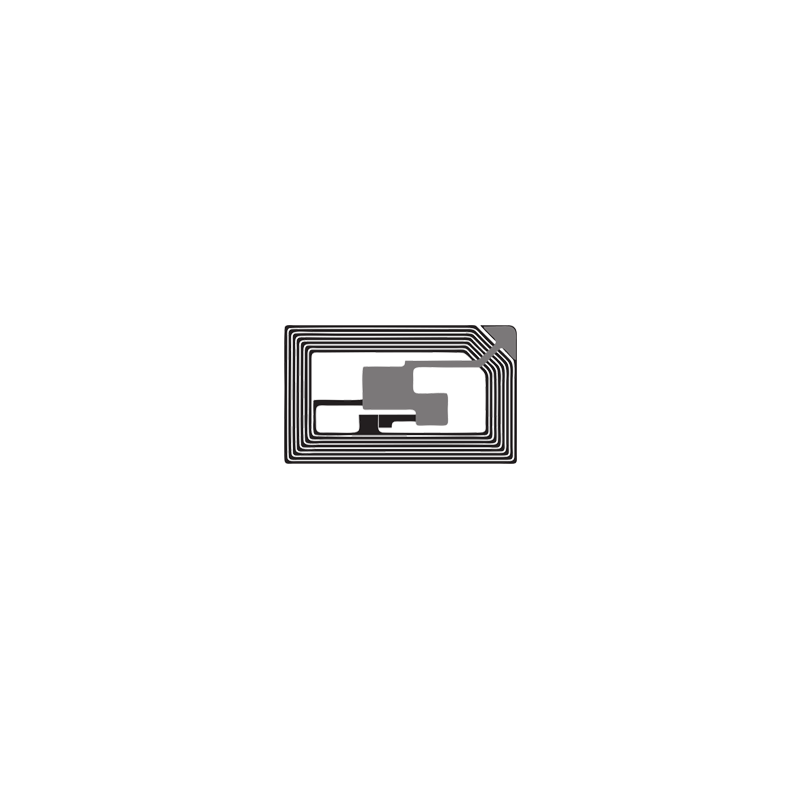
The internal NFC inlay is the most important functional component of a sewn NFC tag. Its placement must be planned according to the finished tag’s stitching, buttonholes, folds, embroidery and attachment method.
Sewing directly across the antenna can break the conductive structure and cause the NFC tag to stop working. Heavy embroidery over the chip or antenna area can also reduce performance or damage the inlay during production.
For this reason, the NFC inlay should be positioned inside a clearly defined protected area. The antenna and chip should remain clear of:
- Stitching lines
- Embroidery needles
- Reinforced holes
- Metal accessories
- Sharp folds
- Cutting edges
- High-pressure assembly areas
The inlay position should be marked in the technical drawing before a physical sample is produced.
Choosing the Right Textile Material
Material selection affects the tag’s appearance, thickness, flexibility, comfort and production method. Common materials for custom NFC textile products include polyester fabric, woven fabric, microfiber, felt, cotton blends and synthetic leather.
The recommended material depends on the application:
- Polyester fabric: Suitable for printed graphics, consistent colors and general-purpose applications.
- Woven textile: Provides a traditional fabric label appearance and good branding quality.
- Microfiber: Offers a soft surface and a premium feel.
- Felt: Suitable for thicker and more structured tag designs.
- Synthetic leather: Provides a durable decorative appearance for fashion products and accessories.
The material should also be evaluated for moisture exposure, washing requirements, bending and long-term use. If the product will be washed frequently, both the NFC inlay and textile construction require additional testing.
NFC Labels Price – Affordable Pricing from a Reliable Supplier
3.Printing, Embroidery and Custom Branding
A custom fabric NFC tag can support different branding methods, including screen printing, heat-transfer printing, woven artwork and embroidery.
The artwork should be reviewed together with the antenna layout. Dense embroidery should not pass through the NFC inlay, while printed graphics normally provide more flexibility because they do not physically penetrate the antenna.
Before production, the customer should provide:
- Vector artwork or high-resolution graphics
- Pantone or reference colors
- Required logo position
- Front and back design
- Sewing and attachment instructions
- NFC data or URL requirements
- Packaging and labeling requirements
A production proof should be confirmed before bulk manufacturing begins.
4.Why Physical Sampling Is Necessary
A digital drawing alone cannot fully confirm the appearance and NFC performance of a sewn textile product. Physical samples allow the customer and manufacturer to inspect the material, color, sewing quality, thickness, inlay position and read performance.
A typical sampling process may include:
- Reviewing the technical drawing and artwork
- Confirming the textile material and NFC chip
- Selecting a suitable antenna size
- Producing the textile components
- Embedding the NFC inlay
- Completing sewing and final assembly
- Testing the finished NFC tag
- Sending samples for customer approval
Any necessary adjustments should be completed before mass production.
Final-Product NFC Testing
Testing only the NFC inlay before sewing is not sufficient. The inlay may pass an initial test but become damaged during cutting, sewing, embroidery or assembly.
For better quality control, the finished custom sewn NFC textile tag should be tested after final production. Testing may verify:
- Whether the NFC chip can be detected
- Whether the UID can be read
- Whether programmed data is correct
- Whether the intended URL opens properly
- Whether password settings are correct
- Whether the antenna remains functional after sewing
- Whether the product meets the required reading distance
For serialized projects, the UID, printed serial number and encoded information should also be matched according to the customer’s database requirements.
5.Common Applications of Sewn NFC Textile Tags
Custom sewn and woven NFC tags can be developed for a wide range of products, including:
- Clothing and fashion accessories
- Bags and luggage
- Footwear
- Plush products
- Premium gifts
- Reusable event products
- Product authentication labels
- Smart promotional merchandise
- Brand engagement applications
- Digital product passports
- Warranty and after-sales registration
The final design should always be developed according to the actual operating environment rather than selected only by appearance.
6.Information Required for a Custom Quotation
To receive an accurate quotation, buyers should provide complete project information whenever possible:
- Finished tag dimensions
- Material preference
- Required thickness
- NFC chip model
- Antenna or inlay size
- Artwork and branding method
- Sewing structure
- Attachment method
- Encoding requirements
- Color quantities
- Order quantity
- Packaging requirements
- Intended application
- Delivery destination
Prices can vary depending on the fabric, chip, antenna, printing process, sewing complexity, programming, testing, packaging and order volume.
7.Develop Your Custom NFC Textile Tag
SEIKO RFID TECHNOLOGY LTD. supplies NFC inlays, NFC chips and customized RFID hardware for product development. Based on the customer’s drawing and application, we can help evaluate the NFC chip, antenna dimensions, protected sewing area, encoding requirements and final-product testing method.
Customers seeking a custom sewn NFC textile tag are encouraged to send their drawings, artwork, target quantity and application requirements for technical evaluation. Confidential customer drawings and artwork will not be published or shared without authorization.
Contact us to discuss NFC chip selection, inlay customization, sample development and bulk-order requirements for your next smart textile project.