

Industrial laundry operations handle thousands or even millions of textile items every day, including hospital linen, hotel towels, uniforms, rental garments and workwear. These textiles often experience repeated washing, drying, sterilization and high-pressure treatment processes.
Under these demanding conditions, ordinary RFID tags may not provide sufficient durability. This is where the High Temperature RFID Laundry Tag becomes an important RFID hardware solution for industries requiring reliable textile identification throughout the entire lifecycle.
By combining heat-resistant materials, durable encapsulation technology and RFID identification capability, high temperature laundry tags help businesses achieve accurate tracking even in harsh washing environments.
1.What Is a High Temperature RFID Laundry Tag?
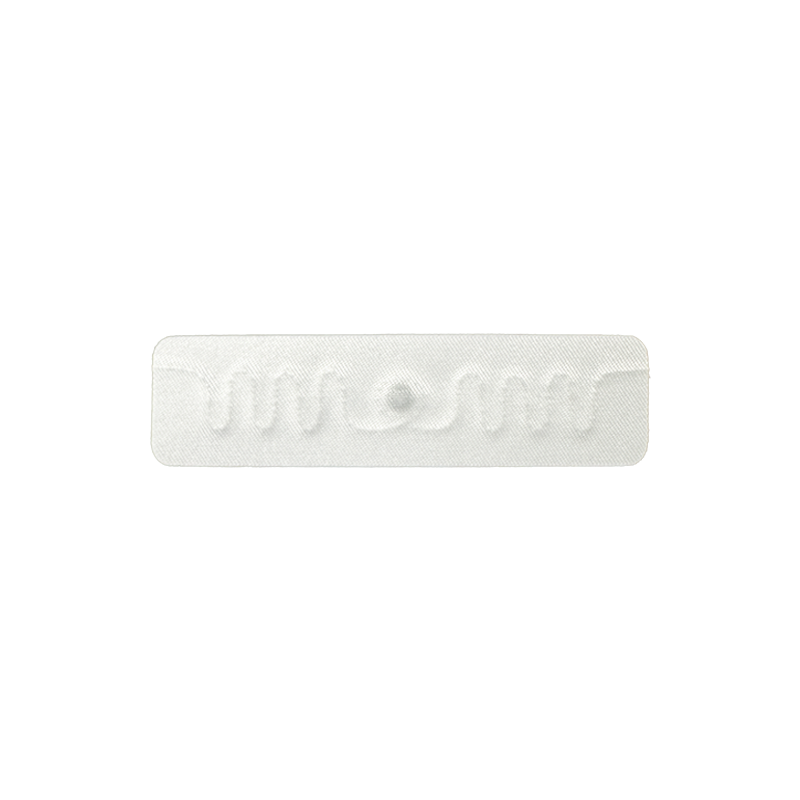
A High Temperature RFID Laundry Tag is a specially designed RFID transponder developed for textile applications that require resistance to extreme environmental conditions.
Unlike standard RFID labels, these tags are manufactured with protective materials that allow them to withstand:
- High-temperature washing cycles
- Industrial dryers
- Chemical detergents
- Mechanical pressure
- Repeated folding and handling
The RFID chip inside the tag stores a unique identification number, allowing each textile item to be digitally recognized during washing, sorting, inventory counting and distribution.
For industrial laundry providers, this creates a complete digital identification method without relying on manual counting or barcode scanning.
2.Why High Temperature Resistance Matters in Laundry RFID Applications
Commercial laundry processes are much more demanding than normal garment usage.
A typical industrial washing cycle may include:
- High-temperature water washing
- Chemical cleaning agents
- High-speed spinning
- Steam sterilization
- Heat drying
During these processes, RFID tags must maintain stable performance and mechanical integrity.
A reliable Heat Resistant RFID Laundry Tag helps prevent:
2.1 Tag Failure During Repeated Washing
Laundry textiles may go through hundreds of washing cycles. A high temperature RFID tag is designed with strong packaging materials to protect the RFID chip and antenna structure.
This ensures long-term identification performance for reusable textile assets.
2.2 Improved Laundry Inventory Accuracy
Manual textile counting is time-consuming and often leads to errors.
With RFID laundry tags, operators can quickly identify multiple tagged items at the same time using RFID readers.
Benefits include:
- Faster inventory counting
- Reduced manual labor
- Lower textile loss rates
- Better asset visibility
2.3 Full Lifecycle Tracking of Textile Assets
A High Temperature RFID Laundry Tag allows companies to monitor the complete lifecycle of textile products.
For example:
Hospital Linen Management
A hospital can track:
- Bed sheets
- Patient gowns
- Surgical textiles
- Medical uniforms
from laundry collection to cleaning and redistribution.
Hotel Textile Management
Hotels can manage:
- Towels
- Bedding
- Staff uniforms
- Restaurant textiles
with improved inventory control.
Industrial Workwear Tracking
Factories can monitor:
- Safety uniforms
- Protective clothing
- Employee-issued garments
to ensure proper allocation and replacement.
3.How Does RFID Laundry Tracking Work?
A typical RFID laundry management process includes four main steps:
3.1 RFID Tag Installation
The RFID laundry tag is sewn or attached into textiles during production or preparation.
The tag is usually placed in areas that minimize mechanical stress while maintaining good RFID performance.
3.2 RFID Data Registration
Each textile item receives a unique RFID identity.
Information can include:
- Product number
- Textile category
- Department
- Washing history
- Usage records
3.3 Bulk RFID Reading During Laundry Processing
When textiles arrive at a laundry facility, RFID readers can identify multiple items simultaneously.
Compared with barcode systems, RFID does not require direct visual contact and can improve processing efficiency.
3.4 Digital Inventory Management
The collected RFID data can be connected with customer systems through RFID readers, SDKs or APIs.
Companies can analyze:
- Textile circulation
- Washing frequency
- Loss tracking
- Replacement schedules
4.Applications of High Temperature RFID Laundry Tags
Healthcare Laundry Management
Hospitals require strict textile control due to hygiene standards.
High temperature RFID laundry tags support:
- Medical linen tracking
- Sterilization process management
- Inventory monitoring
Hotel and Hospitality Industry
Hotels manage large quantities of towels, sheets and uniforms.
RFID laundry tags help improve:
- Linen availability
- Laundry efficiency
- Asset utilization
Industrial Uniform Management
Manufacturing companies often use reusable protective clothing.
RFID tags provide visibility into:
- Employee allocation
- Cleaning records
- Replacement cycles
Rental Textile Services
Laundry rental companies need accurate tracking because textiles frequently move between customers and facilities.
RFID technology helps reduce:
- Lost items
- Incorrect deliveries
- Manual checking time
5.Choosing the Right High Temperature RFID Laundry Tag
When selecting a High Temperature RFID Laundry Tag, companies should consider:
Temperature Resistance
The tag should match the actual washing and drying environment.
Material Durability
Common protective materials include:
- PPS
- Silicone
- TPU
- Industrial polymer materials
RFID Frequency
Different applications may require:
- HF RFID for short-range identification
- UHF RFID for bulk reading and longer-distance tracking
Size and Installation Method
Depending on textile type, tags can be:
- Sewn into garments
- Embedded into textile pockets
- Attached through specialized mounting methods
Laundry RFID tracking
6.Future Development of RFID Laundry Management
As industries continue moving toward automation, RFID-based laundry management is becoming increasingly important.
Future laundry operations will combine:
- RFID identification
- Automated sorting systems
- Cloud-based inventory platforms
- Data analytics
The High Temperature RFID Laundry Tag will continue playing a key role in creating smarter and more efficient textile management systems.
7.Conclusion
A High Temperature RFID Laundry Tag provides a durable identification solution for industries operating under extreme washing conditions.
From healthcare linen and hotel textiles to industrial uniforms and rental laundry services, these RFID tags help businesses improve tracking accuracy, reduce losses and optimize textile management.
For companies looking for reliable RFID hardware for demanding laundry environments, selecting a durable and heat-resistant RFID tag is essential for long-term operational efficiency.