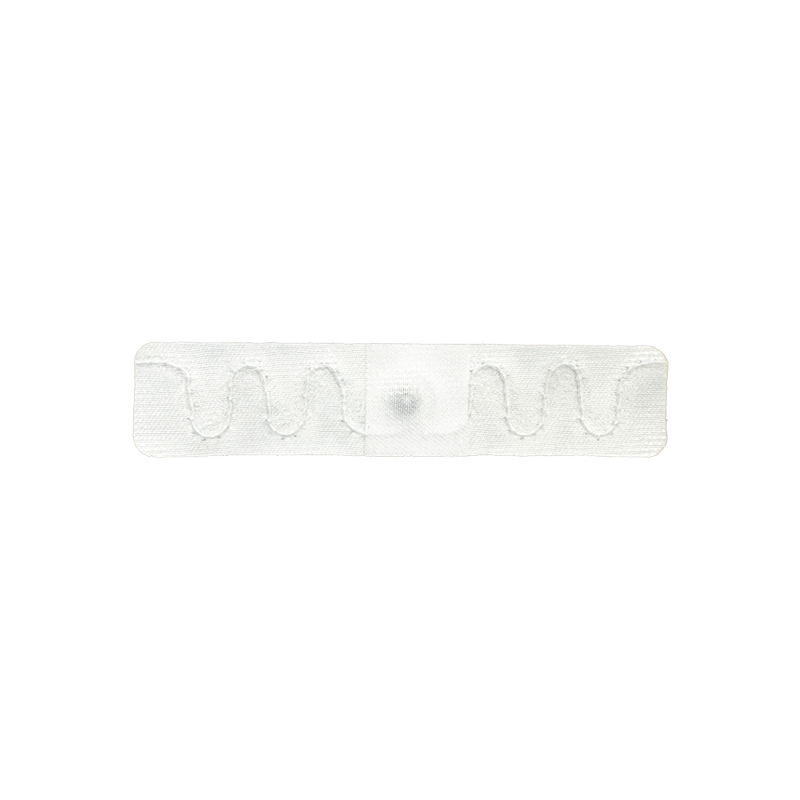
High Temperature RFID Laundry Tags are becoming a core technology for industrial laundries, hotels, hospitals, uniform rental companies, and textile service providers that need accurate tracking through harsh washing conditions. A standard RFID label may work well on a carton or retail product, but laundry environments are different. Tags must survive repeated washing, drying, heat pressing, ironing, chemical exposure, water pressure, folding, sorting, and daily mechanical stress.
For B2B operators, the business question is no longer whether RFID can identify a textile. The bigger question is whether the tag can keep working after hundreds of laundry cycles while still delivering reliable reads at receiving, sorting, washing, packing, delivery, and customer return points. That is why high-temperature laundry RFID tags are now viewed as a specialized category rather than a generic RFID accessory.
What Are High Temperature RFID Laundry Tags?
High temperature RFID laundry tags are rugged RFID transponders designed for textile identification in industrial wash processes. They are usually embedded in flexible textile, silicone, PPS, or heat-sealable materials and sewn, pouch-inserted, or heat-pressed onto garments, linen, towels, mats, uniforms, or workwear.
Each tag carries a unique electronic identifier that can be linked to a textile item in a laundry management system. When the item passes through an RFID reader field, the system can identify ownership, item type, customer, batch, wash count, location, delivery status, and lifecycle history. Unlike visual labels, RFID can be read without direct line of sight and can support bulk reading of many textiles at once.
The high-temperature part matters because industrial laundry is not gentle. Textile items may face hot water, pre-drying, tunnel finishing, tumble drying, sterilization, ironing, and heat sealing. A tag that delaminates, cracks, detunes, or loses chip function will break the tracking chain and create operational blind spots.
Why Industrial Laundry Needs RFID
Industrial laundries handle large volumes of similar-looking textiles. A hotel sheet, hospital gown, factory uniform, and rental towel may pass through many touchpoints before returning to the right customer. Manual barcode scanning and paper-based processes can be slow, error-prone, and difficult to scale when hundreds or thousands of items are processed each day.
RFID gives every textile item a digital identity. When properly deployed, it can reduce manual counting, speed up batch confirmation, support customer billing, identify lost items, monitor wash cycles, and improve stock planning. It can also help businesses understand which textiles are overused, underused, damaged, missing, or approaching end of life.
For hospitals and healthcare laundries, visibility is tied to hygiene, compliance, and availability. For hotels, it affects linen cost and guest service. For uniform providers, it supports customer accountability and garment lifecycle management. For industrial laundries, it can reduce sorting errors and improve throughput.
How These Tags Work in the Laundry Process
A typical laundry RFID workflow starts when a tag is assigned to a textile item. The tag’s identifier is recorded in software together with product type, customer, size, department, issue date, and other useful data. Once in service, the tag is read at different process points using fixed RFID readers, tunnel readers, desktop readers, or handheld readers.
At collection, RFID can confirm which items came back from a customer. At sorting, it can help group items by customer, color, fabric type, or wash program. At washing and drying stages, RFID records can support batch-level traceability. During packing and shipping, the system can compare actual items with the delivery order. At customer return, reads can close the loop and update stock status.
The tag does not need to store all business information locally. In most projects, the tag stores an identifier, and the software database stores the detailed record. This keeps tag memory simple while allowing the business system to update status, location, and lifecycle information over time.
Heat Resistance and Durability Requirements
High temperature RFID laundry tags should be selected according to real process conditions rather than headline temperature alone. Buyers should ask about washing temperature, drying temperature, ironing temperature, sterilization conditions, pressure, chemical exposure, cycle life, mechanical bending, and attachment method.
Some textile RFID tags are designed for repeated washing and drying cycles, while heat-seal models must also tolerate the application temperature during installation. Hospital and workwear applications may need stronger resistance to chemicals, disinfection, and repeated industrial handling. A tag for hotel linen may prioritize flexibility and comfort, while a tag for protective workwear may need more rugged encapsulation.
It is also important to test tags after exposure, not only before washing. Read performance can change after heat, moisture, bending, and detergent exposure. A proper pilot should measure tag survival rate, read rate, placement impact, and operator handling after realistic wash cycles.
UHF, HF, and Read Performance
Many laundry tracking deployments use UHF RFID because it supports bulk reading and longer read distances. UHF tags can be read in groups inside bags, carts, shelves, or conveyor areas, which is valuable for high-volume textile operations. HF RFID may be suitable for shorter-range or item-by-item workflows, but UHF is often preferred for fast industrial reading.
Read performance depends on more than frequency. Tag placement on the textile, reader antenna design, read zone geometry, textile density, moisture level, metal carts, and surrounding equipment all influence results. For example, tightly compressed wet linen can be harder to read than dry separated items. A reader tunnel may perform differently from a handheld audit.
For this reason, buyers should not evaluate laundry RFID tags only by chip model or nominal read range. They should test the full system: tag, reader, antenna, attachment method, textile type, laundry process, and software workflow.
Attachment Methods: Sewn, Pouch, and Heat Seal
There are several ways to attach RFID laundry tags. Sewn tags are stitched into hems, seams, labels, or pockets. They are durable and familiar to textile operators, but require sewing labor or garment manufacturing coordination. Pouch insertion places the tag inside a fabric pocket, which can protect the tag and reduce direct abrasion.
Heat seal RFID laundry tags are attached using heat and pressure. They are popular when operators need a clean, fast, and consistent installation method without sewing. However, heat seal installation must match the textile material and tag specification. Too little heat or pressure can reduce adhesion, while too much can damage the tag or fabric.
For procurement teams, attachment method should be part of the tag specification. It affects installation cost, tag survival, appearance, comfort, and rework rate.
Business Benefits for B2B Laundry Operators
The most visible benefit is faster counting. Instead of counting one item at a time, RFID can identify multiple tagged textiles as they move through a read point. This can reduce labor at receiving, sorting, packing, and dispatch.
The second benefit is loss control. When every textile has a unique identity, businesses can see which items did not return, which customer held them, how often they were used, and when they disappeared from the process. This supports better billing, replenishment, and customer accountability.
The third benefit is lifecycle management. Wash counts can help operators retire textiles before quality problems appear or avoid discarding items too early. Hospitals, hotels, and industrial uniform providers can make replacement decisions based on data rather than rough estimates.
The fourth benefit is customer transparency. RFID reports can show delivery accuracy, return history, inventory level, and service performance. For textile rental companies, this can strengthen service contracts and reduce disputes.
How to Choose the Right Tag
Start with the textile and process. A tag for flat linen may not be the same as a tag for uniforms, mats, protective garments, towels, or medical textiles. Confirm the textile material, sewing or heat-seal location, wash temperature, drying process, chemical exposure, expected cycle count, and comfort requirements.
Then check RFID system requirements. Confirm operating frequency, protocol, memory, read range, bulk reading needs, reader type, software platform, and data format. If the project requires tunnel reading, test tags in real bags or carts. If it requires handheld audits, test staff movement and scan distance.
Finally, evaluate supplier support. A good RFID partner should help with samples, tag placement, encoding, reader recommendations, pilot testing, and failure analysis. A buyer comparing product categories can start with a dedicated Heat Seal RFID Laundry Tags Manufacturer option and then narrow the choice by installation method and textile environment.
Deployment Checklist
Before full deployment, create a controlled pilot. Select representative textiles, attach tags using the planned method, encode each tag, and run items through actual wash, dry, finish, and handling steps. Measure read rates at every checkpoint and record any tag damage, detachment, or unread events.
Next, define data rules. Decide how each tag ID maps to a textile item, customer, size, lifecycle status, and wash count. Set rules for missing items, duplicate reads, damaged textiles, customer transfers, and end-of-life disposal.
Finally, train operators. RFID improves visibility, but staff still need clear procedures for receiving, scanning, sorting, exception handling, and tag replacement. The best deployments combine durable tags with practical workflow design.
Market Outlook
Demand for high temperature RFID laundry tags is expected to remain strong as textile service providers face labor pressure, higher replacement costs, stricter accountability, and customer expectations for more transparent service. RFID is especially attractive in operations where textile loss, manual sorting time, and inaccurate billing create recurring cost problems.
The winners will not be companies that simply attach tags to linen. The winners will be operators that connect RFID data with process improvement, customer reporting, lifecycle planning, and reliable on-site execution.
Conclusion
High Temperature RFID Laundry Tags are built for one of the toughest RFID environments: repeated heat, water, pressure, chemicals, and mechanical stress. For B2B laundry operations, they can turn textiles into traceable assets and help improve counting speed, loss control, lifecycle management, and customer service. The key is to choose tags based on real laundry conditions, test them in the full workflow, and integrate RFID data into daily operations.
FAQ
What are High Temperature RFID Laundry Tags used for?
They are used to track textile items such as hotel linen, hospital garments, workwear, towels, mats, and rental uniforms through washing, drying, sorting, delivery, and return cycles.
Why do laundry RFID tags need high temperature resistance?
Industrial laundry processes may include hot washing, drying, ironing, heat sealing, sterilization, and chemical treatment. The tag must survive these conditions without losing readability.
Are UHF RFID laundry tags better for bulk reading?
UHF RFID is commonly used when operators need to read many textile items quickly in bags, carts, shelves, or conveyor areas. Final performance depends on tag placement, readers, antennas, and workflow design.
Can RFID laundry tags be heat sealed?
Yes, some laundry RFID tags are designed for heat-seal attachment. Buyers should verify temperature, pressure, textile compatibility, and durability before full deployment.
How should a business test RFID laundry tags?
Test representative textiles under real washing, drying, ironing, folding, sorting, and reading conditions. Measure read rate, survival rate, attachment strength, and operator workflow before scaling.