

With the rapid development of China’s economy, the discharge of hazardous waste in industries such as textiles, chemicals, pharmaceuticals, and electronics has been increasing year by year. However, improper disposal of hazardous waste may lead to air, water, and soil pollution, posing a serious threat to the environment and human health, and constraining the sustainable development of the economy and society. Therefore, it is of great significance to improve the centralized, efficient, and safe disposal of hazardous waste. The application of RFID technology provides a powerful solution to achieve automation, informatization, and intelligent management, enabling more efficient and systematic oversight of the entire waste handling process.
1. The Application of RFID Technology
Introducing mature RFID technology into hazardous waste management systems to achieve three-dimensional management, providing automated, standardized, and information-based monitoring and management of work processes. Through digital and information-based management, the level of hazardous waste information management is maximized, the comprehensive processing capacity of hazardous waste is enhanced, and safety hazards are reduced.
1.1 Management of hazardous waste storage
When receiving hazardous waste, the hazardous waste treatment center needs to verify the receiving list, check whether the packaging is sealed and leak free, and whether it is labeled and filled in properly. After confirmation, the backend system will generate RFID electronic tags for hazardous waste and paste them on the hazardous materials. Next, the hazardous waste will be loaded onto pallets and wait for storage.
RFID chips are pre implanted on the pallet to associate with hazardous material information. Staff use RFID handheld terminals to scan the hazardous material barcode and RFID tags on the pallet, associate and bind the two information, and upload them to the backend database. The backend system generates tasks to be stored and issues them to the intelligent forklift.

1.2 RFID intelligent forklift
The intelligent forklift consists of a forklift industrial control computer terminal and an RFID reader/writer. The forklift industrial control computer can receive warehouse tasks issued by the backend system and guide the forklift driver to the designated loading and unloading point for dangerous goods transportation.

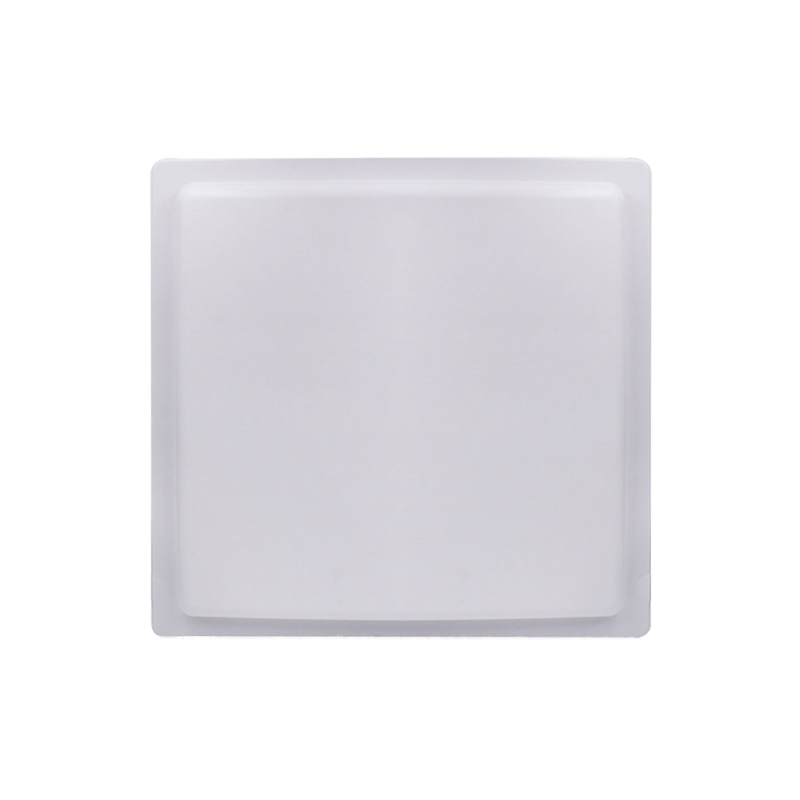
12dBi Circular Linear RFD UHF Reader Antenna
When the forklift arrives at the loading and unloading point, the RFID reader reads the RFID tag information on the pallet and confirms the information of the dangerous goods being transported by querying the backend data system, and transports them to the designated warehouse and storage area according to the system instructions.


Metal RFID Tags
2. The advantages of RFID hazardous waste management solutions
Through the application of RFID technology in the warehousing process, it helps hazardous waste treatment centers strictly store hazardous materials by category, achieve one cargo, one storage space, improve warehousing efficiency, avoid human errors caused by misplacement, and maximize the safety of hazardous material storage.
In the pre-treatment process of hazardous waste outbound, it is also necessary to strictly follow the operating procedures. The handling methods and steps for different hazardous materials are different, so avoiding incorrect handling is crucial.
Install location tags in each pre-processing center and bind them with the pre-processing process information. When forklifts perform hazardous material outbound tasks from the warehouse, they first determine the hazardous material information through the RFID electronic tag information on the pallet and check the outbound order. After confirming that it is correct, the system prompts them to go to the designated pre-processing center. After the forklift arrives at the pre-processing center according to the guidance, the scanning equipment will first scan the location tag of the pre-processing center and check whether it is correct. If it is correct, it will prompt the forklift driver to perform the outbound operation. Otherwise, an alarm will be triggered. All processing information will be uploaded to the backend system in a timely manner and archived. Reports will be provided as needed.

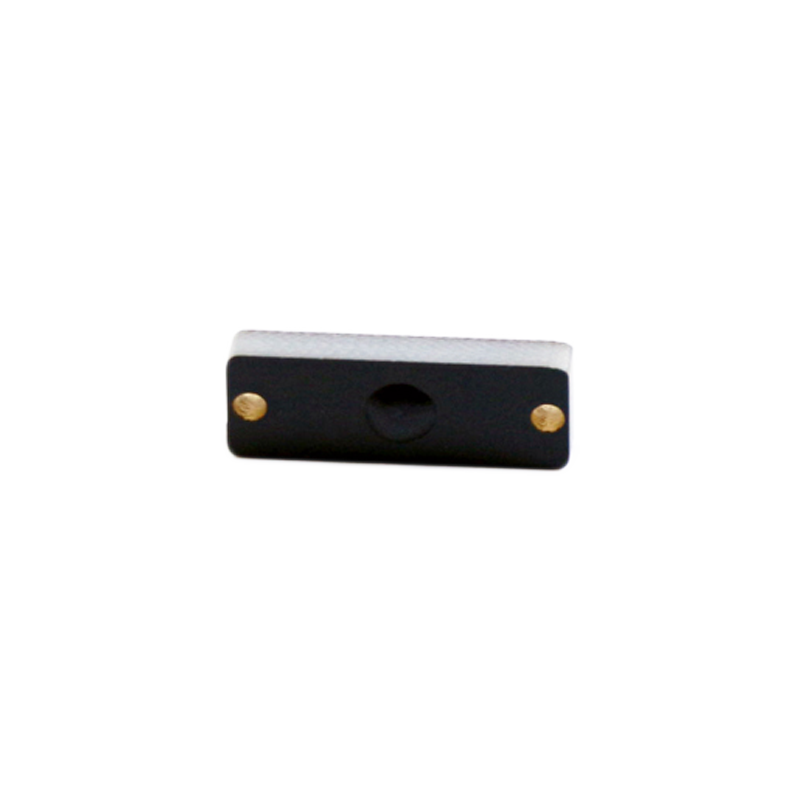
Anti Metal RFID Tag Manufacturers
By introducing RFID technology and fully utilizing its characteristics of information identification, remote recognition, and strong environmental adaptability, a hazardous waste information management system is constructed to achieve automation, informatization, efficiency, standardization, and refinement of hazardous material inbound and outbound management, thereby improving the centralized, efficient, and safe disposal of hazardous waste. The application of RFID technology effectively reduces the pressure of manual management and improves management efficiency and accuracy.
3. The Application of RFID Technology in Hazardous Waste Management
3.1 Real time tracking and monitoring
RFID technology can achieve real-time tracking and monitoring of hazardous waste. Through the pasting and information binding of RFID tags, management personnel can understand the location, quantity, and status of hazardous waste at any time. Real time monitoring helps to quickly respond to abnormal situations and improve the management efficiency of hazardous waste.
3.2 Accurate inbound and outbound
RFID technology can ensure the accurate storage and retrieval of hazardous waste. Through the identification and association binding of RFID tags, the system can accurately record the storage and retrieval information of hazardous waste, avoiding human errors and missed detections, and improving the accuracy and reliability of management.
3.3 Inventory Management Optimization
RFID technology helps optimize inventory management of hazardous waste. Through the information management of RFID tags, the system can achieve precise management of inventory quantity, storage location, and storage time, avoiding inventory chaos and expired storage, and improving the efficiency and controllability of inventory management.
3.4 Safety Protection and Emergency Response
RFID technology can also be used for safety protection and emergency response in hazardous waste management. Through the remote identification capability of RFID tags, management personnel can quickly locate and handle hazardous waste emergencies, reducing emergency response time and improving the effectiveness of safety protection.