

In today’s fast-paced world, businesses and industries require efficient, reliable, and automated solutions for tracking assets, inventory, and personnel. One of the most transformative technologies in this space is the Long Range RFID Reader, which enables wireless identification and data collection from RFID tags over extended distances.
This article explores how long-range RFID readers work, their key applications, benefits, and factors to consider when choosing the right system for your needs.

Antenna RFID Reader | High-Gain RFID Scanning for Precision Tracking & Automation
1. What is a Long Range RFID Reader?
A Long Range RFID (Radio Frequency Identification) Reader is a device that wirelessly detects and reads RFID tags from a distance, typically ranging from a few meters up to 15+ meters, depending on the frequency and technology used. Unlike traditional barcode scanners or short-range RFID systems, long-range RFID eliminates the need for direct line-of-sight scanning, making it ideal for high-speed and automated tracking applications.
2. How Does It Work?
2.1 RFID Tags
Attached to assets, vehicles, or personnel, these tags contain a microchip and antenna that transmit data via radio waves.
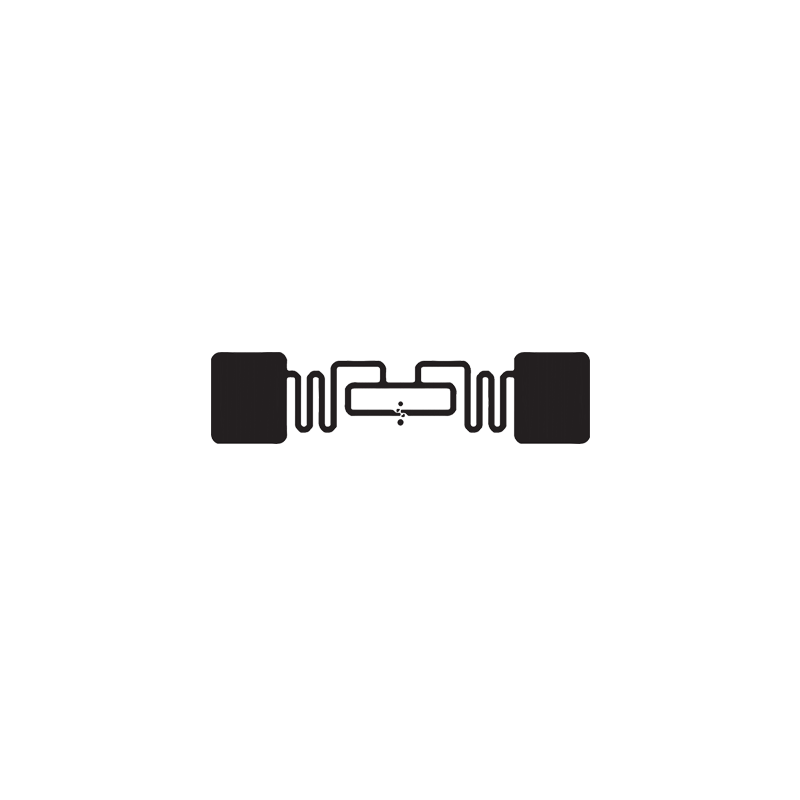
Alien ALN-9662 Short RFID White WET Inlay – High-Performance UHF RFID for Asset Tracking
2.2 RFID Reader
Sends out a radio signal to activate nearby tags and captures their unique identification data.

Fixed RFID Reader | High-Speed UHF Tag Scanning for Industrial & Warehouse Automation
2.3 Software Integration
The collected data is processed and integrated into inventory management, security, or tracking systems.
Long-range RFID systems typically operate in the UHF (Ultra-High Frequency, 860-960 MHz) or Active RFID (2.4 GHz or 433 MHz) ranges, allowing for extended read ranges and faster data transmission.
3. Key Applications of Long-Range RFID Readers
3.1 Supply Chain & Logistics
- Warehouse Management: Automate inventory tracking without manual scanning.
- Yard Management: Track trailers, containers, and shipments in real-time.
- Freight & Shipping: Improve efficiency in loading/unloading operations.
3.2 Vehicle & Parking Access Control
- Automatic Toll Collection: RFID-enabled toll booths (e.g., E-ZPass).
- Smart Parking: Detect authorized vehicles for seamless entry/exit.
- Fleet Management: Monitor company vehicles in real-time.
3.3 Asset & Equipment Tracking
- Construction Sites: Track high-value tools and machinery.
- Healthcare: Monitor medical equipment across large facilities.
- Manufacturing: Manage production line assets efficiently.
3.4 Security & Personnel Monitoring
- Access Control: Secure entry points in corporate or government buildings.
- Event Management: Track attendees at conferences or large venues.
- Livestock & Wildlife Tracking: Monitor animals in open fields or farms.
4. Benefits of Long-Range RFID Systems
4.1 No Line-of-Sight Needed
Tags can be read even when hidden or moving at high speeds.
4.2 High-Speed Scanning
Multiple tags can be detected simultaneously (up to hundreds per second).
4.3 Durability
RFID tags withstand harsh environments (dust, moisture, extreme temperatures).
4.4 Automation & Efficiency
Reduces manual labor and human errors in tracking.
4.5 Real-Time Data
Enables instant updates in inventory or security systems.
5. Choosing the Right Long-Range RFID Reader
When selecting a long-range RFID reader, consider:
- Read Range (3m vs. 15m+)
- Frequency (UHF vs. Active RFID)
- Tag Compatibility (Passive vs. Active tags)
- Environmental Resistance (IP rating for outdoor/industrial use)
- Integration (Wi-Fi, Bluetooth, or Ethernet connectivity)
Popular brands include Zebra, Impinj, Alien Technology, and Honeywell, offering various models for different industry needs.

Long Distance RFID Reader Built in 12 dBi Antenna
6.Conclusion
Long-range RFID readers are revolutionizing industries by enabling contactless, automated, and efficient tracking of assets, vehicles, and personnel. Whether for logistics, security, or industrial automation, these systems enhance visibility, reduce costs, and improve operational efficiency.
As RFID technology continues to evolve, businesses that adopt long-range solutions will gain a competitive edge in data accuracy and process automation.
Are you considering implementing a long-range RFID system? Let us know your requirements, and we’ll help you find the best solution!
7. Frequently Asked Questions
7.1 What is the main advantage of a long-range RFID reader compared to barcode scanning?
The key advantage of a long-range RFID reader is that it does not require line-of-sight scanning, unlike barcodes. RFID tags can be read even when hidden (e.g., inside packaging) or moving at high speeds. Additionally, RFID systems can scan multiple tags simultaneously (up to hundreds per second), significantly improving efficiency in inventory management, logistics, and asset tracking.
7.2 What are the typical applications of long-range RFID readers in logistics?
In logistics, long-range RFID readers are widely used for:
Warehouse Management: Automating inventory tracking without manual scans.
Yard Management: Real-time tracking of trailers, containers, and shipments.
Freight & Shipping: Streamlining loading/unloading operations by identifying tagged items quickly.
These applications reduce labor costs, minimize errors, and enhance supply chain visibility.
7.3 How do I choose the right long-range RFID reader for my business?
Consider these factors when selecting a long-range RFID reader:
Read Range: Determine if you need short (3m) or extended (15m+) detection.
Frequency: UHF (860-960 MHz) is common for passive tags, while Active RFID (2.4 GHz/433 MHz) offers longer ranges.
Environment: Check the IP rating for resistance to dust, moisture, or extreme temperatures.
Integration: Ensure compatibility with your existing systems (Wi-Fi, Ethernet, etc.).
Leading brands like Zebra, Impinj, and Alien Technology offer specialized solutions for different industries.