

In modern agriculture, efficiency, traceability, and animal welfare are more important than ever. One of the simplest yet most powerful tools that farmers use to achieve these goals is the use of management tags, commonly known as ear tags. These small devices, attached to the ears of livestock and farm animals, play a crucial role in the daily operations and long-term success of farms around the world.
1. Individual Identification and Record Keeping
One of the primary reasons livestock require ear tags is for individual identification. On farms with dozens, hundreds, or even thousands of animals, it becomes nearly impossible to distinguish one animal from another without a clear system. Ear tags provide a unique identification number or code for each animal, allowing farmers to:
- Track birth dates
- Monitor growth and weight gain
- Record breeding history
- Manage medical treatments
This detailed record-keeping is essential for making informed decisions about feeding, breeding, and overall herd management. Without management tags, maintaining accurate data would be extremely difficult and prone to error.
2. Health Monitoring and Disease Control
Animal health is a top priority in livestock farming. Ear tags help farmers and veterinarians quickly identify animals that are sick, injured, or require special attention. With proper tagging systems, farmers can:
- Isolate infected animals to prevent disease spread
- Track vaccination schedules
- Monitor recurring health issues
- Ensure proper medication is administered to the correct animal
In cases of disease outbreaks, ear tags also allow authorities to trace the origin and movement of animals, helping to contain and manage the situation efficiently.
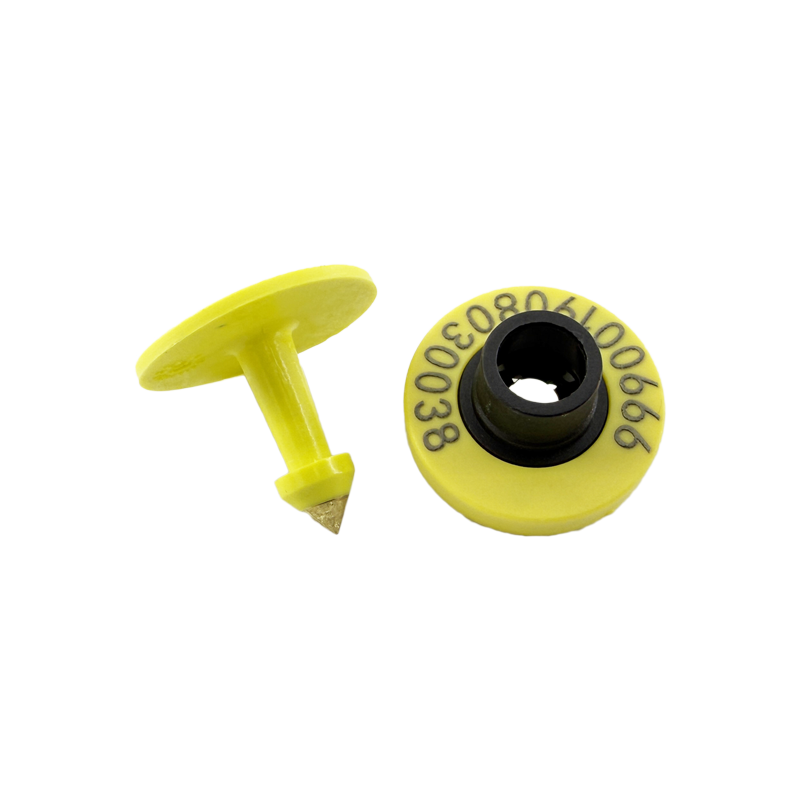
Custom RFID Ear Tag
3. Traceability and Food Safety
In today’s global food supply chain, traceability is a critical requirement. Consumers, regulators, and retailers demand transparency about where food comes from. Ear tags make it possible to trace an animal’s entire life cycle—from birth to processing.
This traceability ensures:
- Compliance with food safety regulations
- Rapid response in case of contamination or recalls
- Increased consumer confidence in agricultural products
Management tags are often integrated with digital systems, such as barcodes or RFID (Radio Frequency Identification), making it even easier to store and access data throughout the supply chain.

RFID Ear Tags for Cattle
4. Breeding and Genetic Improvement
Selective breeding is a key practice in improving livestock quality, productivity, and disease resistance. Ear tags allow farmers to accurately track genetic lines and breeding performance. With this information, they can:
- Identify high-performing animals
- Avoid inbreeding
- Improve desirable traits such as milk production, meat quality, or fertility
Over time, this leads to stronger, healthier, and more productive herds.
5. Ownership and Theft Prevention
Ear tags also serve as proof of ownership. In regions where livestock theft is a concern, clearly marked animals are less likely to be stolen or illegally sold. If animals are lost or mixed with other herds, ear tags make it easier to identify and return them to their rightful owner.
Some advanced tagging systems even include GPS or electronic tracking, further enhancing security and accountability.
6. Efficient Farm Management
From a practical standpoint, management tags streamline everyday farm operations. Tasks such as feeding, sorting, and transporting animals become much more efficient when each animal can be quickly identified.
For example:
- Farmers can group animals based on age, weight, or health status
- Feeding programs can be customized
- Automated systems can read electronic tags and perform actions accordingly
This level of organization reduces labor costs and increases overall productivity.
7. Compliance with Regulations
In many countries, livestock identification is not just a recommendation—it is a legal requirement. Governments and agricultural authorities mandate the use of ear tags to ensure proper tracking and disease control.
Failure to comply with these regulations can result in penalties, fines, or restrictions on selling livestock products. Therefore, using management tags is essential for operating within legal frameworks and maintaining market access.
8. Animal Welfare Considerations
While ear tagging involves a minor procedure, it is generally considered safe and humane when done correctly. Proper tagging techniques minimize discomfort and reduce the risk of infection.
Moreover, by enabling better health monitoring and management, ear tags indirectly contribute to improved animal welfare. Farmers can respond more quickly to issues and ensure that each animal receives appropriate care.

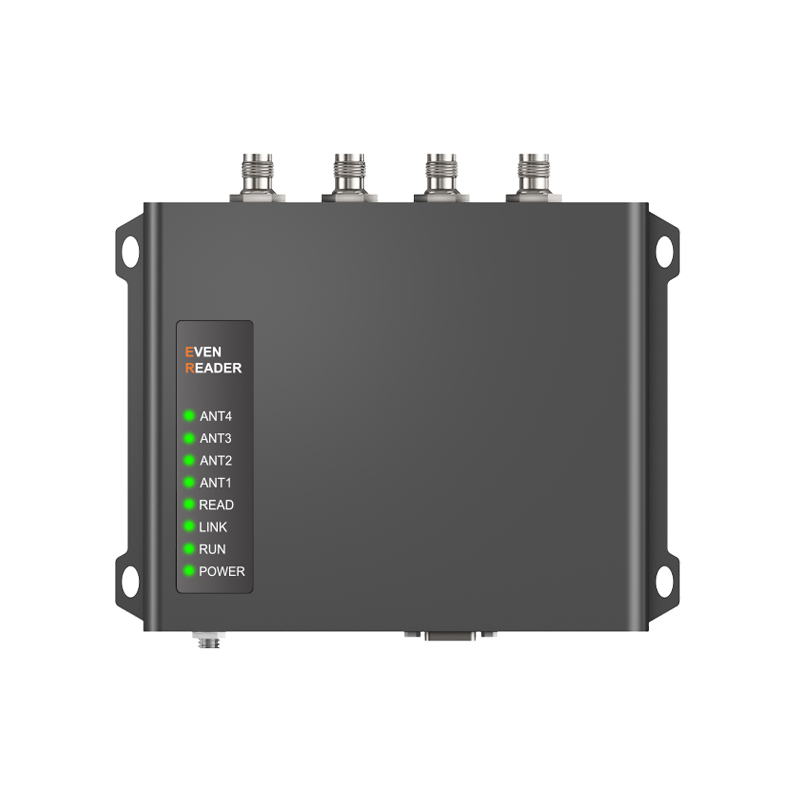
12dBi Circular Linear RFD UHF Reader Antenna
9. Integration with Modern Technology
The future of livestock management is increasingly digital, and ear tags are evolving alongside technological advancements. Modern management tags may include:
- RFID chips for wireless scanning
- QR codes for instant data access
- Integration with farm management software
These innovations allow farmers to collect real-time data and make smarter, data-driven decisions, improving efficiency and sustainability.
10.Conclusion
In conclusion, ear tags are far more than simple identification tools—they are a cornerstone of modern livestock management. From improving record-keeping and disease control to ensuring food safety and enhancing farm efficiency, management tags provide essential benefits that support both farmers and consumers.
As agriculture continues to evolve, the role of ear tags will only become more significant. By embracing these tools, farmers can ensure better organization, higher productivity, and a more transparent and sustainable food system.