

In today’s fast-paced business environment, companies are under constant pressure to improve inventory accuracy, reduce labor costs, and enhance operational efficiency. Traditional barcode systems, while still widely used, often struggle to meet the demands of modern supply chains. This is where NFC Inventory Tracking is becoming a game-changing solution.
Near Field Communication (NFC) technology enables businesses to track, identify, and manage inventory quickly and accurately using smartphones, tablets, or NFC readers. From retail stores and warehouses to healthcare and manufacturing, NFC inventory tracking is transforming how businesses control their assets and stock levels.
1.What Is NFC Inventory Tracking?
NFC Inventory Tracking refers to the use of NFC tags and readers to monitor inventory movement and status in real time. NFC tags are small wireless chips that store data and communicate with NFC-enabled devices over short distances.
Each product or asset is attached with an NFC tag containing unique identification information. When scanned, the system instantly retrieves product data such as:
- Product ID
- Batch number
- Manufacturing date
- Location information
- Inventory quantity
- Maintenance records
- Shipment status
Unlike traditional barcode systems, NFC does not require direct line-of-sight scanning, making the inventory process faster and more convenient.

Anti Counterfeiting NFC Tags – ISO/IEC14443-A Certified for Secure Product Authentication
2.How NFC Inventory Tracking Works
2.1 NFC Tags Are Attached to Products
Each inventory item is equipped with an NFC tag. These tags can be embedded in labels, stickers, cards, or packaging materials.
2.2 Data Is Stored on the Tag
The NFC tag stores essential inventory information that can be updated when needed.
2.3 NFC Readers Scan the Tags
Warehouse staff or retail employees use NFC-enabled smartphones or handheld readers to scan inventory items instantly.
2.4 Inventory Data Syncs to the System
The scanned information is automatically uploaded to the inventory management software or cloud database for real-time monitoring.
3.Key Benefits of NFC Inventory Tracking
3.1 Faster Inventory Management
Traditional inventory counting often requires manual scanning one item at a time. NFC technology streamlines this process by enabling rapid identification and data retrieval.
Businesses can:
- Reduce stock-taking time
- Speed up warehouse operations
- Improve receiving and shipping efficiency
- Minimize manual errors
3.2 Improved Inventory Accuracy
Human error is one of the biggest challenges in inventory management. NFC Inventory Tracking significantly improves data accuracy by automating the collection process.
This helps businesses avoid:
- Stock discrepancies
- Incorrect shipments
- Duplicate entries
- Lost inventory records
Real-time updates ensure inventory information remains accurate across all departments.
3.3 Real-Time Inventory Visibility
With NFC-enabled systems, businesses can monitor inventory status in real time.
Managers can instantly check:
- Current stock levels
- Product locations
- Inbound and outbound shipments
- Low-stock alerts
- Asset movement history
This level of visibility improves decision-making and operational planning.
4.Reduced Labor Costs
Manual inventory management requires significant labor resources. NFC Inventory Tracking reduces repetitive tasks and allows employees to focus on higher-value activities.
Benefits include:
- Lower staffing requirements
- Faster training for new employees
- Reduced overtime costs
- Improved workforce productivity
5. Enhanced Asset Tracking
Beyond inventory management, NFC technology is also highly effective for asset tracking.
Businesses can manage:
- IT equipment
- Medical devices
- Tools and machinery
- Rental assets
- Company vehicles
Each asset can have a unique digital identity for lifecycle monitoring and maintenance management.
6. Better Customer Experience
In retail environments, NFC Inventory Tracking helps ensure products are always available and correctly stocked.
This leads to:
- Faster order fulfillment
- Improved product availability
- Reduced out-of-stock situations
- Better omnichannel retail support
Customers benefit from quicker service and more accurate product information.
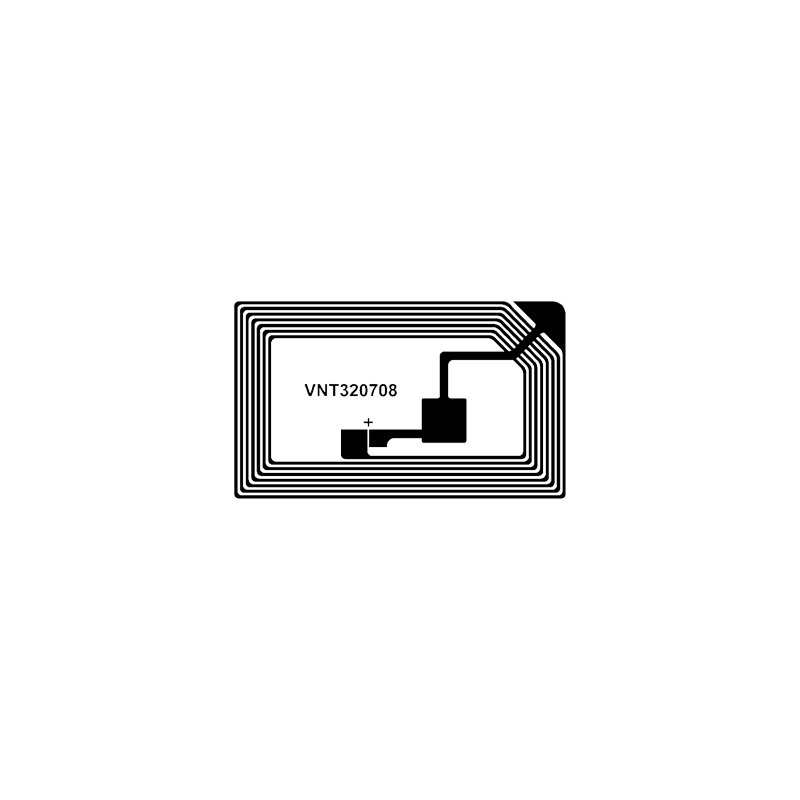
Mifare Sticker
7.Industries Using NFC Inventory Tracking
7.1 Retail Industry
Retailers use NFC technology for:
- Smart shelves
- Automated stock counting
- Product authentication
- Omnichannel inventory management
Fashion brands, electronics stores, and luxury retailers increasingly adopt NFC solutions to improve operational efficiency.
7.2 Warehouse and Logistics
Warehouses use NFC Inventory Tracking to optimize:
- Receiving processes
- Picking and packing
- Shipment verification
- Inventory audits
The technology helps reduce delays and improve supply chain visibility.
7.3 Healthcare Industry
Hospitals and medical facilities use NFC to track:
- Medical equipment
- Pharmaceuticals
- Surgical tools
- Patient records
This improves safety, compliance, and equipment availability.
7.4 Manufacturing
Manufacturers implement NFC systems for:
- Raw material tracking
- Work-in-progress monitoring
- Tool management
- Quality control
Real-time tracking helps improve production efficiency and reduce operational waste.

NTAG 213 Label – Reliable NFC Tags for Android Devices and Mobile Interactions
8.NFC vs Barcode Inventory Tracking
| Feature | NFC Inventory Tracking | Barcode System |
|---|---|---|
| Scanning Method | Wireless | Requires line-of-sight |
| Read Speed | Fast | Slower |
| Data Storage | Higher capacity | Limited |
| Rewritable Data | Yes | No |
| Durability | High | Moderate |
| Automation Level | Advanced | Basic |
While barcode systems remain cost-effective, NFC offers greater flexibility, automation, and scalability for modern inventory operations.
9.Challenges of NFC Inventory Tracking
Although NFC technology offers many advantages, businesses should also consider some challenges:
9.1 Initial Investment
Deploying NFC infrastructure may require upfront costs for:
- NFC tags
- Readers
- Software integration
- System upgrades
However, long-term efficiency gains often outweigh the initial investment.
9.2 Reading Distance Limitations
NFC operates over short distances, typically within a few centimeters. For large-scale bulk scanning, RFID technology may sometimes be more suitable.
9.3 System Integration
Businesses may need to integrate NFC solutions with existing ERP, WMS, or POS systems for seamless operations.
Proper implementation planning is essential.
10.Future Trends in NFC Inventory Tracking
As digital transformation accelerates, NFC Inventory Tracking is expected to become even more powerful through integration with:
- IoT (Internet of Things)
- Cloud computing
- AI-powered analytics
- Mobile inventory management
- Smart retail systems
The growing adoption of NFC-enabled smartphones also makes deployment easier and more cost-effective for businesses worldwide.
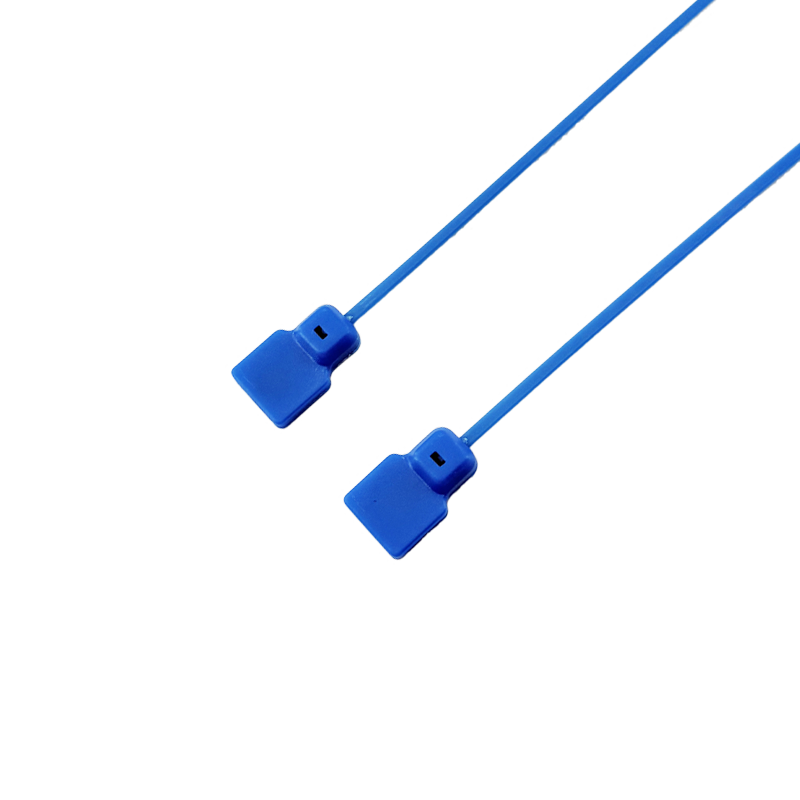
Mini RFID NFC Seal Tie Zip Cable Tag
11.Conclusion
NFC Inventory Tracking is revolutionizing inventory management by offering faster operations, improved accuracy, real-time visibility, and enhanced asset control. Compared with traditional inventory methods, NFC technology provides businesses with smarter, more efficient, and scalable inventory solutions.
Whether in retail, logistics, healthcare, or manufacturing, companies that adopt NFC Inventory Tracking can improve operational efficiency, reduce costs, and gain a competitive advantage in today’s increasingly digital marketplace.
As businesses continue to pursue automation and intelligent supply chain management, NFC technology will play an increasingly important role in the future of inventory tracking.