

In an era where security, efficiency, and user experience define business success, the tools you use for access control matter more than ever. For decades, magnetic stripe cards were the standard for hotel key cards, employee IDs, and payment systems. However, as technology evolves, RFID (Radio-Frequency Identification) cards are rapidly replacing them, offering superior performance and security.
But what exactly is the difference? Is it worth upgrading your system? This article will explain what magnetic stripe cards and RFID cards are, compare their advantages and key differences, and provide a 5-step guide to switching from magnetic stripe to RFID systems.
1.What is a Magnetic Stripe Card?
Magnetic Stripe Cards, often called “swipe cards” or “magstripe cards,” are identification cards that store data on a band of magnetic material located on the card’s back. This stripe is made up of tiny iron-based magnetic particles whose north-south orientation can be altered to encode information.
When you swipe the card through a reader, the reader interprets these magnetic patterns and grants or denies access based on the data retrieved. This technology has been a staple since the 1970s, commonly used in driver’s licenses, hotel keys, and credit cards.
2.What is an RFID Card?
RFID (Radio-Frequency Identification) cards, also known as smart cards or contactless cards, look similar to plastic cards but function very differently. Instead of a magnetic stripe, these cards contain a tiny embedded microchip and a radio antenna.
When the card comes within a specific range of an RFID reader, radio waves power the chip, allowing it to transmit encrypted data wirelessly. This allows users to gain entry or make payments by simply “tapping” or “waving” the card near the reader, with no physical contact required.
3.RFID Card vs. Magnetic Stripe Card: Respective Advantages
Understanding the core advantages of each technology is the first step in making an informed decision.
3.1 Advantages of Magnetic Stripe Cards
- Low Initial Cost: Magnetic stripe cards are incredibly cheap to manufacture, making them attractive for businesses with tight budgets.
- Established Infrastructure: Because they have been around for so long, many legacy systems and door locks are already equipped with magnetic stripe readers.
3.2 Advantages of RFID Cards
- Enhanced Security: RFID cards support encryption and complex authentication protocols, making them extremely difficult to clone.
- Superior Durability: Because there is no physical contact with the reader, there is no wear and tear on the card, significantly extending its lifespan.
- Speed and Convenience: Contactless entry is faster and more hygienic than swiping, improving the user experience for guests and employees.
- Versatility: A single RFID card can be programmed for multiple uses, such as access control, time tracking, cafeteria payments, and elevator authorization.
4.RFID vs. Magnetic Card: Key Differences
To choose the right technology, it’s essential to look beyond basic advantages and examine their performance in real-world scenarios.
4.1 Security
- Magnetic Stripe: Stores data in plain text. It can be easily copied or “skimmed” using inexpensive devices readily available online.
- RFID: Data is encrypted. Modern RFID chips use dynamic data and rolling codes, ensuring that even if a signal is intercepted, it cannot be reused or deciphered.
4.2 Durability & Longevity
- Magnetic Stripe: The stripe is exposed on the surface and is susceptible to scratches, dirt, and demagnetization from cell phones or magnets. Frequent swiping physically degrades the card.
- RFID: The chip and antenna are encased within the plastic, protecting them from environmental factors like moisture, dust, and physical stress. They last significantly longer.
4.3 Operational Efficiency
- Magnetic Stripe: Requires precise swiping at a specific speed. If the user swipes too fast or too slow, the read fails, leading to frustration and front desk visits.
- RFID: Offers “tap-and-go” functionality. Reads are instantaneous and error-free as long as the card is within proximity, speeding up entry lines and reducing support calls.
4.4 Hygiene
- Magnetic Stripe: Requires touching a reader that is touched by hundreds of other people, spreading germs.
- RFID: Offers true contactless operation, a feature highly valued in a post-pandemic world for both hospitality and healthcare settings.
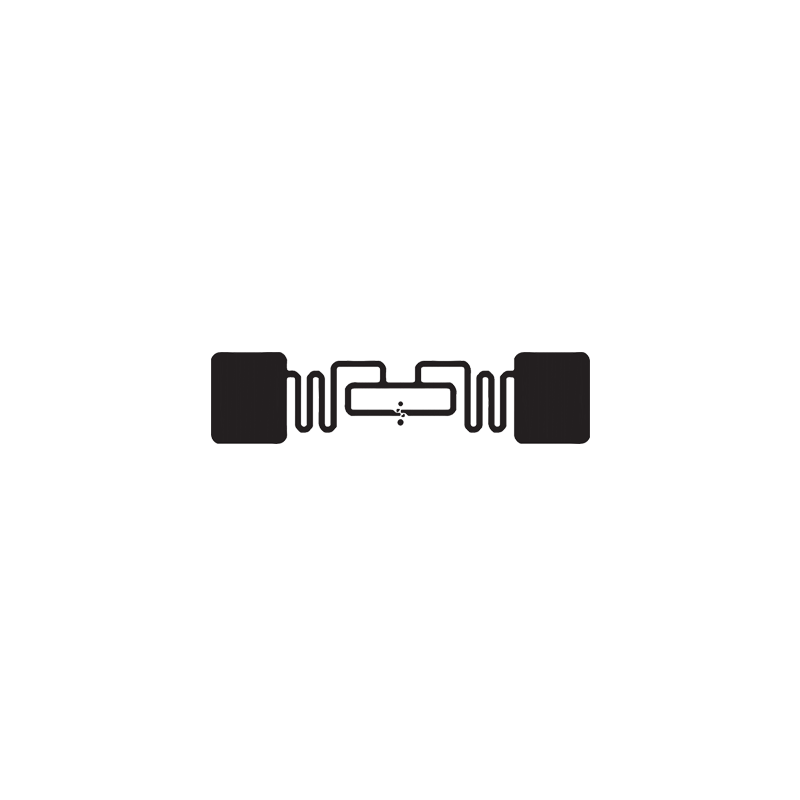
Alien ALN-9662 Short RFID White WET Inlay – High-Performance UHF RFID for Asset Tracking
5.A 5-Step Guide to Switching from Magnetic Stripe to RFID Systems
If the benefits of RFID have convinced you to upgrade, making the switch is simpler than you might think. Here is a 5-step guide to ensure a smooth transition.
5.1 Needs Assessment & Audit
Begin by evaluating your current setup. How many access points (doors, gates) do you have? How many active users (employees, guests) need cards? Identify high-traffic areas where RFID’s speed would have the most significant impact.
5.2 Hardware Compatibility and Upgrade
Magnetic stripe readers cannot read RFID cards. You will need to install new RFID readers. However, many modern RFID readers are “multi-technology” or “multi-frequency,” meaning they can read both the new RFID cards and your old magnetic stripe cards simultaneously. This allows for a phased transition where users can switch over gradually.
5.3 Software and System Integration
Ensure your existing access control software is compatible with the new RFID hardware. Most modern systems are plug-and-play with standard protocols, but it’s vital to consult with your provider to ensure the encrypted data from the RFID cards integrates seamlessly with your management platform.
5.4 Card Customization and Procurement
Partner with a reliable manufacturer like RFIDCard. Decide on the type of RFID card (e.g., low-frequency for basic access, high-frequency Mifare/ DESFire for high security) and customize them with your branding, logos, and eco-friendly materials if desired.
5.5 Staff Training and Phased Rollout
Before distributing cards to everyone, train your front desk or security team on how to encode the new RFID cards. Launch the system in phases—perhaps starting with a specific department or floor—to troubleshoot any issues before a property-wide rollout. Communicate the benefits of the new “tap-and-go” system to users to encourage adoption.

ALN-9962 Short Higgs 9 Clear Wet Inlay
6.Conclusion
While magnetic stripe cards served their purpose in the 20th century, they are quickly becoming obsolete in the face of modern security threats and user expectations. RFID cards offer a compelling combination of security, durability, and convenience that can streamline operations, reduce long-term costs, and significantly enhance the user experience. By following the steps above, your business can make a seamless transition into the future of access control.