

In multi-pet households, smart pet devices are no longer novel. However, traditional automatic feeders, while capable of providing food in a timed and quantitative manner, generally lack a key ability: identity recognition. When pets in the household have different dietary needs, the inability to distinguish between individual pets often becomes the source of “food wars” and makes it difficult to implement truly refined feeding.
Nowadays, pet automatic feeders based on RFID technology, such as the RFID Cat Feeder, are quietly changing this situation. By giving each pet a unique identity identifier, these feeders enable a truly personalized and refined smart feeding experience.

1.RFID: Technological Innovation to Crack Pain Points in Multi Pet Feeding
Traditional methods such as camera recognition or gravity sensing are often affected by factors such as ambient lighting and pet hair obstruction, especially in dark environments where recognition rates significantly decrease. RFID technology, with its unique advantages, effectively overcomes these bottlenecks:
Strong environmental adaptability: not affected by light or hair obstruction interference, even in completely dark environments, the recognition accuracy can still reach over 99%;
Zero pet cooperation requirements: No need to train pets to complete actions such as “face brushing” or “claw pressing”. Pets can be recognized in their natural activity state, greatly reducing the threshold for use.
2.The Three Core Functions of RFID in Pet Feeding
2.1 Accurate identity recognition to eliminate food competition
The built-in RFID module of the feeder can accurately determine the identity of approaching pets by recognizing the electronic tag on the pet collar. Only when authorized pets enter the recognition range, the food lid will automatically open and feed; Once the pet leaves, the lid will immediately close until the same pet is identified again. This mechanism fundamentally avoids the behavior of other pets stealing and grabbing food, especially suitable for pet households that need to control their diet or follow special recipes.
2.2 Record dietary habits throughout the process and establish individual health records
The system will automatically record the feeding time, amount, frequency, and other data of each pet, and generate clear feeding reports. These data not only help owners intuitively understand their pets’ dietary habits, but also provide reliable basis for veterinarians to assess their pets’ health status and adjust their dietary plans.
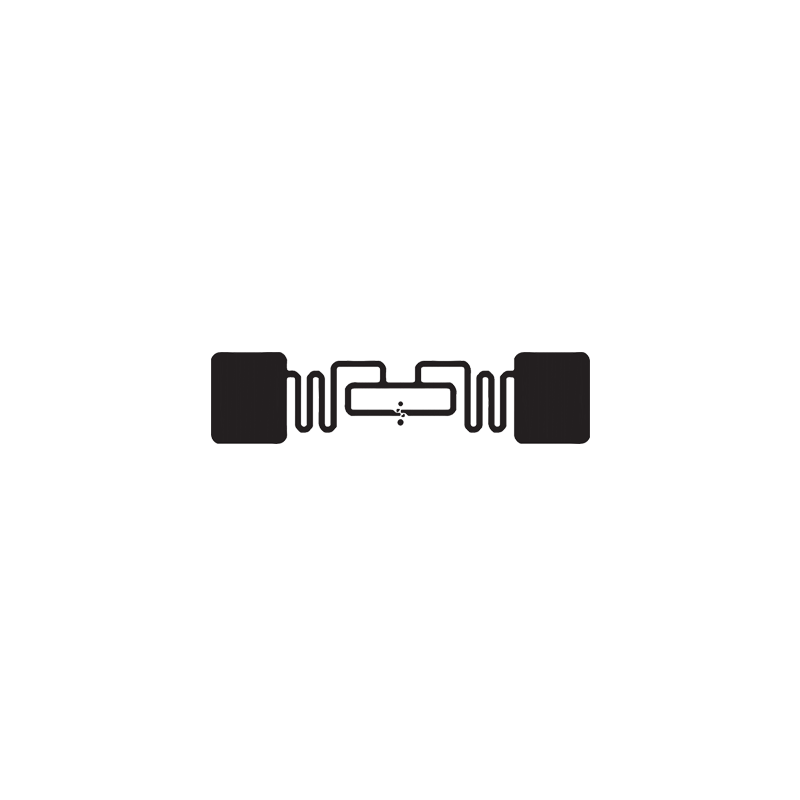
Alien ALN-9662 Short RFID White WET Inlay – High-Performance UHF RFID for Asset Tracking
2.3 Tailored feeding plan to achieve personalized nutrition management
Through the identity recognition function of RFID, completely independent dietary plans can be set for different pets. For example:
Pets that need to lose weight can only open designated feeders and consume customized low-fat food;
Pets that need to eat small meals multiple times can be set to feed in small amounts during multiple time periods;
Kittens, elderly cats, or pets with illnesses can be provided with special formula foods, and other pets are not allowed to steal them.
3. Real scenario: How RFID solves the feeding problem in multi pet households
Case 1: Three Cat Family Precise Meal Matching
In a small-sized household, one plush cat needs to control its weight, one Siamese cat needs to eat small meals frequently, and one kitten needs to consume cat food. The RFID feeder can set exclusive feeding times, portions, and types for three cats, without interfering with each other and allowing each cat to take what they need.
Case 2: Anti theft and Hygiene Protection of Cat Food
The storage bin equipped with RFID recognition will only unlock the food when it senses the authorized collar, effectively preventing other pets and insects from contaminating the food and avoiding pets from self feeding excessively.
Case Three: Special Medical Feeding Support
For pets with kidney disease, diabetes and other diseases that need strict diet control, “special food point” and special feeder can be set. When non target pets approach, the hatch will be kept locked to ensure that the medical feeding scheme is strictly implemented.

Baggage Ticket RFID
4. Technical Empowerment: Recommend a Professional RFID Identification Module
Pet feeder RFID module SR-L601A
This module is designed specifically for pet smart devices and has the following features:
Recognition distance of over 30 centimeters, sensitive card reading, fast speed, and no blind spots;
Supports dual frequency operation of 134.2kHz and 125kHz, compatible with FDX-B and EMID tags according to ISO11784/5 standards;
Low power design, suitable for long-term operation, with high stability and reliability, can be widely used in equipment such as feeders, water dispensers, litter boxes, etc.
