

RFID (Radio Frequency Identification) technology is a wireless communication technology widely used in various industries. In the clothing industry, RFID is used to manufacture RFID clothing tag tags, providing brands and retailers with an innovative way to manage inventory, improve sales, and provide a better customer experience.
RFID clothing tag is a tag that integrates RFID chips and antennas, used to link clothing and related information. Each tag has a unique identification code that can store and transmit data related to the clothing. The following are the application methods of RFID clothing tag tags:
Inventory management: Shenzhen Aisen IoT’s RFID tags can accurately track and manage clothing inventory. By attaching RFID tags to each piece of clothing, retailers can easily scan the tags with RFID readers and quickly identify every item in their inventory. This eliminates the traditional manual inventory process, improves inventory efficiency, and reduces human errors.

Clothing Labels Custom
Intelligent display and sales: RFID tags can help achieve intelligent display and sales. By installing RFID readers in stores, retailers can track the location of products in the store, optimize display and organization, and improve sales performance. In addition, when a customer takes down a piece of clothing, the RFID tag can automatically update the inventory system, reducing inventory deviation caused by the product being tried on.
Anti counterfeiting and anti-theft: RFID tags play an important role in anti-counterfeiting and anti-theft. Each tag has a unique identification code, allowing retailers to verify the authenticity of the product. In addition, when the tag is deleted or damaged without authorization, the RFID reader can immediately detect it, trigger an alarm, and help prevent the theft of goods.
Customer interaction and experience: RFID tags provide customers with the opportunity to interact with clothing. By interacting with the reader, customers can obtain detailed information about the product, such as size, color, material, and style. This provides a richer shopping experience and helps customers make wiser purchasing decisions.
Data analysis and business optimization: The data generated by RFID tags can be used for data analysis and business optimization. Retailers can collect and analyze sales data, inventory flow, and customer behavior to gain insights into market trends, optimize inventory management, and improve supply chain processes

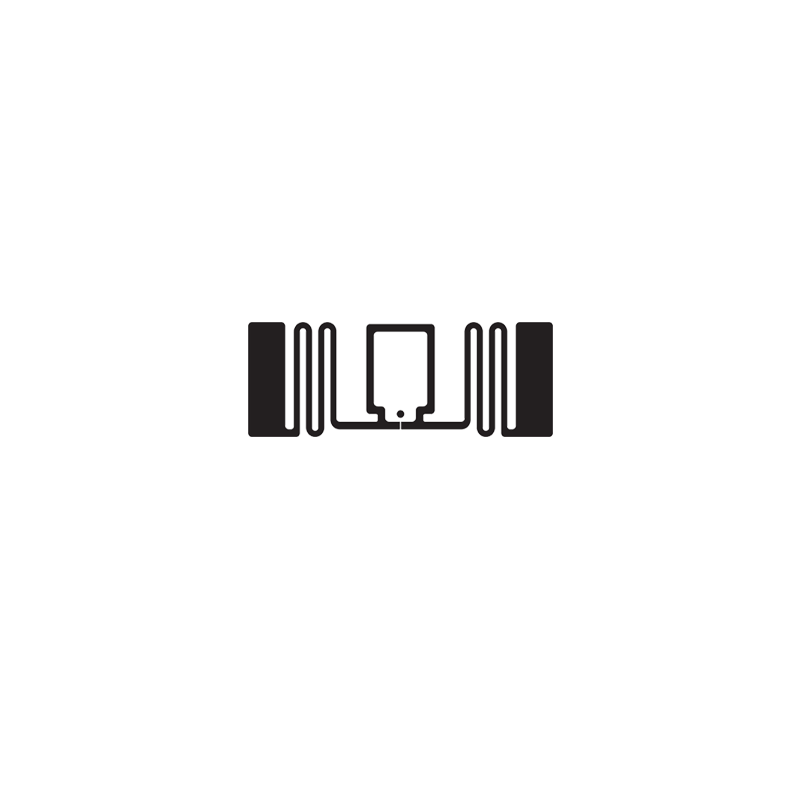
Customizable RFID Printable Labels – Reliable, High-Quality Labels from Leading RFID Suppliers
Meet compliance and quality control requirements: RFID tags can be used to ensure the compliance and quality control of clothing. By storing relevant production and manufacturing information on tags, retailers can track the origin, raw materials, and production process of clothing to ensure compliance with regulations and quality standards.
Customer Relationship Management: RFID tags can be used for customer relationship management. By associating customers with the clothing they purchase, retailers can track customers’ purchasing habits, preferences, and history. This information can be used for personalized marketing, customized recommendations, and enhancing customer loyalty.
After sales service and return management: RFID tags can simplify the process of after-sales service and return management. By reading the information on the label, retailers can quickly identify and verify the legality of returned goods, and carry out timely refund or exchange operations, improving the efficiency of after-sales service and customer satisfaction.


UHF Handheld Reader
Sustainable development and environmental friendliness: RFID tags can promote sustainable and environmentally friendly practices. By tracking and managing inventory in real-time, retailers can reduce excessive purchasing and waste generation, maximize resource utilization, and minimize negative environmental impact.
Overall, RFID clothing tags have broad application prospects in the clothing industry. RFID technology brings many advantages to brands and retailers by providing real-time visibility, precise inventory management, and enhanced customer experience. It not only improves the efficiency and transparency of the supply chain, but also provides more opportunities for enterprises to improve sales, enhance brand awareness, and improve customer satisfaction.