

Employee uniforms are operational assets. In hospitals, factories, hotels, laboratories, food processing plants, and facility service companies, uniforms affect safety, hygiene, brand presentation, compliance, and employee readiness. Yet many organizations still manage garments with paper records, manual counts, barcode scans, or assumptions about what should be in circulation. rfid clothing gives every uniform a durable digital identity, making it easier to track garments through issue, use, collection, laundry, inspection, repair, storage, and return.
This article explains how to implement RFID for employee uniform tracking laundry management in a practical B2B environment. It covers the technology, workflow design, tag selection, read points, software requirements, data governance, return-on-investment metrics, and common risks that buyers should control before scaling a system across multiple departments or customer sites.
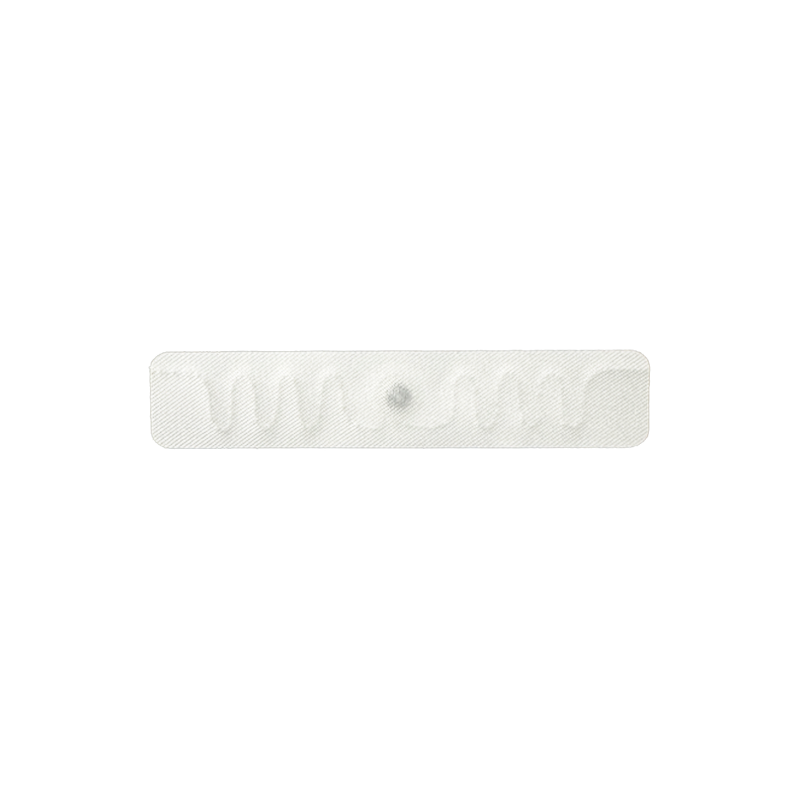
Textile RFID Laundry Tag
What Is RFID Clothing?
RFID clothing refers to garments equipped with an RFID tag or textile label that stores a unique electronic identifier. The identifier is linked to a database record containing useful business data, such as garment type, size, employee assignment, department, customer account, purchase date, laundry cycle count, inspection status, and retirement rule.
For employee uniforms and laundry management, passive UHF RFID is commonly used because it does not require a battery and can support bulk reading. A properly selected textile RFID laundry tag can be sewn into a garment or attached by another supplier-approved method. The exact tag and attachment style should be validated against the fabric, wash chemistry, drying temperature, pressure, ironing or finishing equipment, and expected service life.
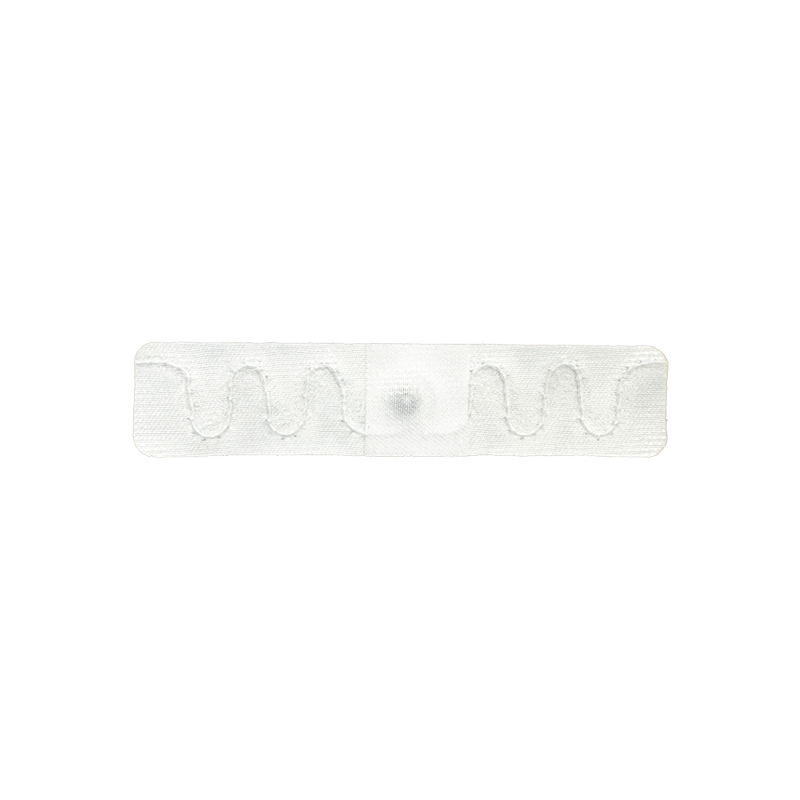
Heat Seal RFID Laundry Tags Manufacturer
Why Uniform Tracking Is Difficult Without RFID
Uniform programs look simple from a distance, but the daily reality is complex. Garments move between employees, lockers, collection bins, soil sorting, wash batches, repair stations, clean storage, delivery routes, and replacement inventory. Similar sizes and colors are easy to confuse. Employees may forget to return items. Damaged garments may disappear before being recorded. Contractors and laundry providers may disagree about delivered and returned quantities.
Manual counting can work for small operations, but it becomes fragile when volumes increase or when several sites share one laundry program. Barcode labels improve identification, yet they usually require line-of-sight scanning one garment at a time. In a high-volume laundry environment, hidden labels, folded clothing, wet textiles, and fast workflows make single-item scanning hard to sustain. RFID is designed to reduce that friction by allowing many tagged uniforms to be read together at controlled checkpoints.
How RFID Works for Employee Uniform Laundry Management
An RFID reader sends a radio signal through one or more antennas. A passive tag inside the uniform harvests energy from the signal and returns its identifier. Middleware filters duplicate reads and sends meaningful events to uniform or laundry management software. The software then updates the garment record: issued to an employee, received as soiled, assigned to a wash batch, inspected, repaired, packed, dispatched, or retired.
The value is not only the tag. A successful deployment combines the tag, reader placement, software rules, employee procedures, and exception handling. Each read point should answer a business question: Which garments were collected? Which employee is missing items? Which uniforms entered laundry? Which clean garments are ready for delivery? Which items have exceeded the replacement threshold?
Step 1: Define the Uniform Tracking Scope
Begin by deciding which garments and workflows need RFID. A hospital may start with scrubs and isolation gowns. A manufacturing company may focus on flame-resistant workwear. A hotel may track housekeeping and kitchen uniforms. A food processing site may need garments assigned by hygiene zone. The scope should include item types, sizes, departments, employee groups, laundry partners, return locations, and the reports management expects to see.
Set measurable goals before buying hardware. Typical objectives include reducing uniform loss, improving employee accountability, lowering replacement purchases, accelerating laundry receiving, reducing customer disputes, proving wash-cycle history, and maintaining correct garment availability by size and department. Clear goals prevent the project from becoming a technology demonstration without operational value.
Step 2: Select the Right RFID Uniform Tag
Uniform tags must survive the real laundry process, not only casual washing. Relevant stresses may include detergent, chemicals, moisture, heat, extraction pressure, repeated bending, mechanical abrasion, and finishing equipment. Buyers should request model-specific technical documentation and test samples in the intended process. Published cycle counts and temperature ratings are useful only when the test conditions match the actual application.
Attachment method is equally important. Sew-in labels are common for workwear and uniforms, while some applications may use heat-seal, pocket, or encapsulated options. Placement should protect the tag, preserve wearer comfort, avoid visible branding issues, and support reliable reading. For example, a tag placed where garments are tightly folded or pressed may behave differently from one placed on a hem or care-label area.
Step 3: Encode and Register Garments
Each garment should be encoded and registered before entering service. The RFID identifier is connected to a master record that may include SKU, size, color, employee, department, location, rental contract, purchase date, and inspection requirements. This stage should be controlled because poor master data can damage the entire program. Use verification reads after attachment to confirm that the tag is working and assigned to the correct garment.
For employee-assigned clothing, decide which data belongs in the garment database and who may access it. RFID usually stores an identifier, while sensitive employee or contract details remain in secure business systems. Access control, audit history, and retention policies should follow company rules and applicable privacy requirements.
Step 4: Build RFID Read Points Around the Laundry Workflow
Common read points include uniform issue rooms, locker return stations, collection bins, laundry receiving docks, sorting tables, wash-batch loading areas, repair stations, clean packing, dispatch portals, and customer delivery points. Fixed readers are useful for repeatable processes, while handheld readers help with audits, item searches, and exception handling.
Read-zone design should be tested carefully. Too little power can miss tags; too much power can read garments in the wrong cart or nearby room. Metal racks, wet textiles, dense bundles, and tag orientation can affect performance. The goal is a controlled business event, not simply the longest possible read range.
Step 5: Connect RFID Data to Laundry Management Software
Software turns tag reads into decisions. A useful system should show garment status, employee assignment, wash count, current location, overdue returns, repair needs, retirement candidates, and inventory levels by size or department. It should also support exception workflows for missing tags, damaged garments, unreadable items, duplicate reads, and garments assigned to the wrong employee or site.
Integration may be needed with HR systems, ERP, route accounting, customer portals, or laundry management platforms. Define the system of record before implementation. If one platform owns employee data and another owns laundry events, the integration rules must be clear so reports remain consistent.
Step 6: Pilot Before Full Deployment
A pilot should use real garments, real employees, real laundry cycles, and normal production speeds. Include difficult cases such as wet uniforms packed in bins, mixed sizes, high-density carts, damaged clothing, and peak shift changes. Measure read accuracy at each checkpoint, but also measure workflow impact: time saved, exceptions reduced, garments recovered, and staff acceptance.
Define acceptance criteria before the pilot starts. For example, the operation may require a minimum read performance at receiving, a maximum exception rate at dispatch, or a measurable reduction in manual counting time. If the pilot fails, adjust tag placement, reader settings, antenna layout, software filtering, or process rules before expanding.
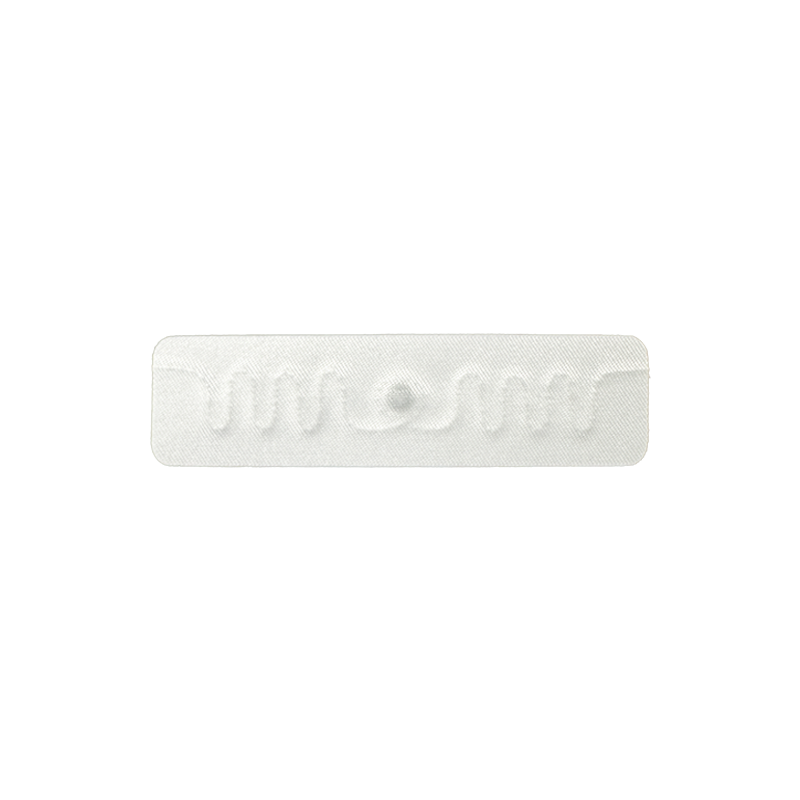
Laundry RFID tracking
Benefits of RFID Clothing for B2B Uniform Programs
- Faster bulk counting: RFID can reduce one-by-one manual scans at collection, receiving, and dispatch.
- Improved garment accountability: Item-level history shows who received a uniform and when it was returned.
- Lower replacement costs: Better visibility helps separate true loss from delayed returns or processing delays.
- Cleaner customer reporting: Digital manifests support service-level discussions between employers and laundry providers.
- Lifecycle management: Wash counts, repair history, and inspection results support planned retirement.
- Better inventory planning: Size and department-level data helps maintain correct par levels.
RFID Clothing vs. Barcode Uniform Tracking
Barcode tracking can be effective when each garment can be presented clearly to a scanner. It is inexpensive and familiar. However, it requires line of sight and usually depends on one-at-a-time scanning. RFID is better suited to bulk identification, hidden labels, fast receiving, and automated checkpoints. Many uniform programs use both: RFID for process automation and a printed code or human-readable label for backup identification.
ROI Metrics to Track
RFID return on investment should be measured with operational data. Useful metrics include garments lost per month, replacement spending, labor minutes per collection or dispatch, inventory variance by department, employee return compliance, average garment lifecycle, repair frequency, delivery accuracy, customer claims, and emergency stock purchases. Compare these values before and after the pilot to understand the financial impact.
Do not evaluate ROI by tag cost alone. The real calculation includes tags, readers, antennas, software, integration, installation, training, maintenance, and process change. It also includes benefits that may not appear in the tag budget, such as fewer disputes, less overstock, better audit readiness, and improved employee service.
Common Implementation Risks
- Weak tag placement: Test comfort, durability, and RF performance before standardizing placement.
- Uncontrolled read zones: Tune power and antenna direction to avoid reading nearby garments unintentionally.
- Poor master data: Verify every tag-to-garment association during commissioning.
- No exception process: Define what staff should do when a garment is missing, damaged, or unreadable.
- Insufficient training: Operators need to understand why each read point exists and how to respond to alerts.
- Overpromising visibility: Passive RFID reports events at reader locations; it is not continuous real-time location tracking unless the system is designed with sufficient checkpoints.
Supplier Selection Checklist
Choose suppliers that can discuss both the tag and the laundry operation. Ask for sample tags, model-specific durability information, compatible frequency and protocol details, recommended attachment methods, reader guidance, and pilot support. A credible supplier should be able to explain limitations, not only best-case performance. The best RFID clothing solution is the one that survives the process, reads reliably in the real workflow, and produces data your business can act on.
Conclusion
Implementing RFID for employee uniform tracking laundry management requires more than attaching tags to garments. It requires clear business goals, suitable textile RFID tags, controlled read points, reliable software, accurate master data, and practical exception handling. When these parts work together, RFID clothing can help B2B organizations reduce loss, improve accountability, accelerate laundry operations, and manage uniform inventory with far greater confidence.
Frequently Asked Questions
Can RFID clothing be used for employee-assigned uniforms?
Yes. Each garment can be linked to an employee, department, or location in the software. The RFID tag typically stores an identifier, while employee details remain in a secure database with appropriate access control.
Will RFID tags survive commercial laundry?
They can, if the tag is designed for laundry use and attached correctly. Buyers should verify the exact tag model under real wash, drying, chemical, pressure, and finishing conditions before full deployment.
Can RFID read uniforms in bulk?
Passive UHF RFID can support bulk reading, but performance depends on tag placement, moisture, cart design, garment density, antenna layout, reader settings, and software filtering. A pilot should test normal and difficult loads.
Is RFID better than barcodes for uniform laundry?
RFID is usually stronger for automated bulk identification and hidden labels. Barcodes remain useful for low-volume or backup identification. The best choice depends on workflow volume, labor cost, accuracy requirements, and integration needs.
Where should the RFID tag be placed on a uniform?
Placement should balance comfort, durability, appearance, and read performance. Common locations include hems, care-label areas, or protected seams, but the final position should follow supplier guidance and pilot results.
What data should a uniform tracking system report?
Useful reports include issued garments, returned garments, missing items, wash counts, repair status, retirement candidates, inventory by size and department, delivery accuracy, and employee or customer exceptions.