

In the wave of digital transformation, RFID equipment Tracking tag technology is gradually becoming a key support for intelligent enterprise management. For technical managers of scientific research institutions, corporate procurement decision-makers, and laboratory managers, understanding the core advantages and applicable scenarios of this technology will directly affect the input-output efficiency of equipment procurement.

RFID readers are used in smart manufacturing.
1. Technical Architecture and Basic Components
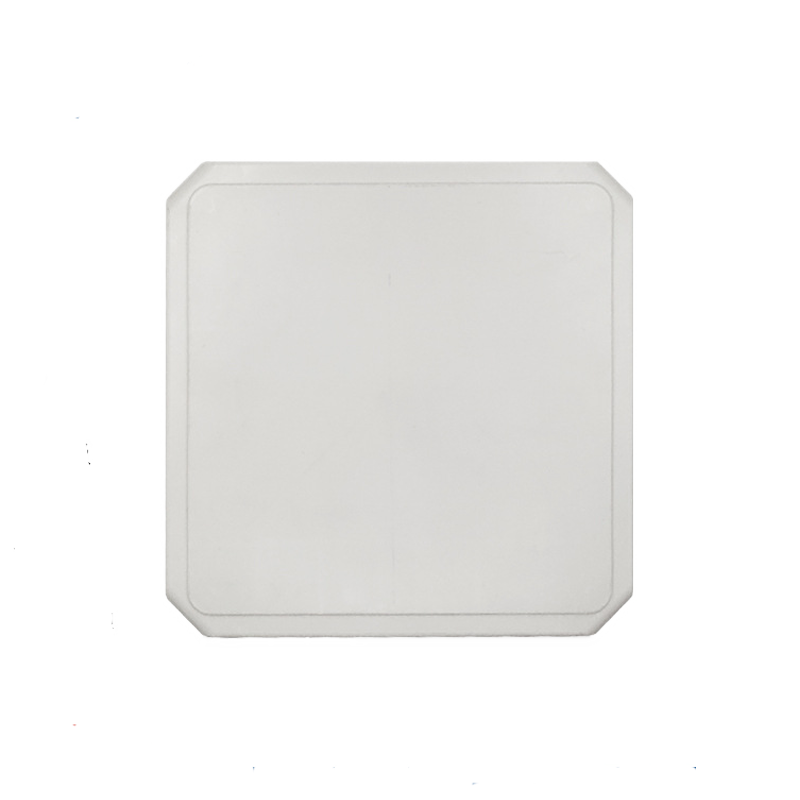
The core of an RFID system consists of three parts: radio frequency antennas, data tags, and read/write devices. The design of RFID radio frequency antennas directly affects signal transmission quality, while the structure of RFID tag antennas determines their adaptability to different material surfaces. Taking industrial environments as an example, signal reflection issues on metal surfaces must be addressed through special antenna designs. RFID Smart UHF Antenna SRRA9-01:The 9 dBi RFID Reader Panel Antenna is designed to offer high-gain, long-range performance, making it ideal for industrial environments that demand extended coverage and accurate asset tracking. With a 9 dBi gain, this antenna provides an optimal combination of distance and directionality, ensuring precise, reliable readings of UHF RFID tags (860-960 MHz) over greater distances. It is perfect for large-scale applications such as warehouses, logistics centers, and manufacturing plants where reliable, long-range RFID systems are required.
Ultra-high frequency antenna
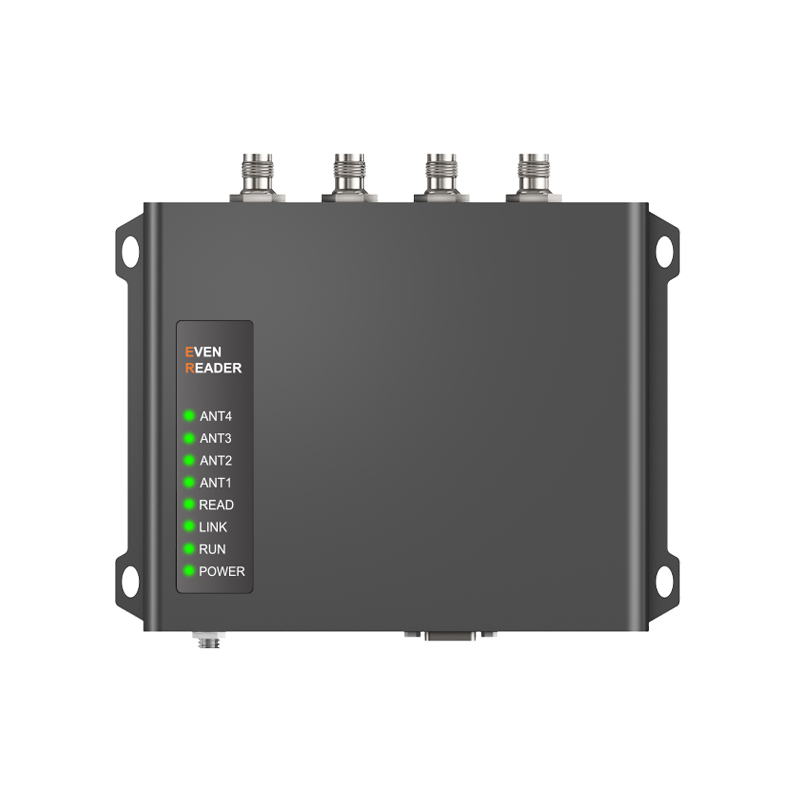
The current mainstream industrial RFID readers and writers on the market have achieved breakthroughs in environmental adaptability, with some models capable of stable operation in a temperature range of -40°C to 85°C. These devices typically feature multi-protocol compatibility, enabling them to simultaneously identify electronic tags across different frequency bands. Notably, UHF RFID readers and writers offer significant advantages in warehouse logistics applications, with their 5-10 meter read range effectively enhancing inventory counting efficiency. UHF RFID Split-Type Electronic Tag Reader/Writer SRSRU8-10:Featuring UHF or HF technology, our RFID fixed readers offer superior read ranges, with some models supporting multi-tag reading and advanced data processing capabilities. These readers can be integrated into larger IoT systems, where they communicate seamlessly with your existing databases or cloud-based software for enhanced operational efficiency.
2.Application scenario performance comparison
In the manufacturing industry, a certain auto parts supplier used fixed RFID readers to build a smart production line, enabling real-time collection of material flow data.Our RFID Handheld Reader is a powerful, portable solution designed to streamline asset tracking, inventory management, and data collection across various industries. With its lightweight design and advanced technology, it offers unmatched efficiency and accuracy in real-time operations.

RFID Handheld Reader
Medical equipment management cases show that the use of anti-metal RFID tags has increased the efficiency of surgical instrument counting by more than three times. The indirect benefits of this technological improvement often exceed the initial investment cost of purchasing the equipment.
3. Key factors in equipment selection

RFID Warehouse Logistics and Supply Chain Management
When selecting an RFID reader manufacturer, three key factors should be considered: equipment compatibility, environmental tolerance, and technical service capabilities. For small and medium-sized enterprises, it is recommended to prioritize RFID electronic tag readers with a modular design, as these devices can be expanded later to meet business growth needs.
In terms of cost control, although the unit price of UHF equipment is higher than that of low-frequency models, its group identification feature can reduce labor costs. The practice of a certain e-commerce company shows that after deploying a UHF system, the manpower required for monthly inventory counting in warehouses was reduced by 75%. In addition, the maintenance cost of RFID readers should be included in the overall assessment. The average mean time between failures (MTBF) of equipment from high-quality manufacturers can reach more than 50,000 hours.
4. Implementation Strategy and Risk Mitigation
During the technology implementation phase, a three-step strategy is recommended: first, conduct small-scale scenario validation, focusing on testing the compatibility between RFID tag antennas and carrier materials; second, establish data standards and specifications to ensure seamless integration between reading/writing devices and existing systems; finally, conduct comprehensive operational training, particularly on the use of RFID reader/writer handheld terminals.
It is important to note that electromagnetic interference may affect system stability. In a certain logistics park, interference from forklift motors led to an increase in read/write failure rates, which was later resolved by adjusting the antenna layout. Therefore, environmental testing and equipment calibration prior to implementation are critical.
5. Future Development Trends
Next-generation RFID technology is evolving in two directions: first, the development of flexible electronic tags that can be applied to curved surfaces; second, the intelligent upgrading of reading and writing devices, with some manufacturers already launching industrial RFID readers equipped with edge computing capabilities. These innovations will expand the application depth of the technology in scenarios such as precision instrument management and hazardous chemical tracking.
For procurement decision-makers, establishing a dynamic evaluation mechanism is particularly important. It is recommended to conduct an efficiency audit of existing systems every two years to keep pace with technological iterations. Collaborating with RFID reader/writer manufacturers that have sustained R&D capabilities can ensure the investment value of the equipment throughout its lifecycle.
By systematically deploying RFID technology, enterprises can not only achieve substantial improvements in operational efficiency but also lay the data foundation for digital transformation. During the technology selection process, balancing short-term costs with long-term benefits and choosing solutions that align with business characteristics will be the key to successful procurement decisions.