

RFID technology, with its features like contactless automatic identification, batch reading, and real-time tracking, has become a key to overcoming the challenges of traditional archive management. By embedding RFID tags in archive containers (such as file boxes and document bags) and deploying intelligent reading and writing devices and management systems, intelligent management and control of archives throughout their entire lifecycle, from storage, borrowing, and destruction, can be achieved.

Advantages of RFID file management applications
1. Efficient, automated management reduces labor costs.
Fast batch identification: RFID can read multiple tags simultaneously, eliminating the need for scanning barcodes or manually registering individual items. This significantly reduces the time required for file inventory, borrowing, and returning. For example, a traditional inventory would take hours, while an RFID system can complete it in minutes.
Reduced manual intervention: Automated processes reduce manual errors such as omissions and misplacement, while also reducing reliance on archival personnel and saving labor costs.

RFID Tag with LED Light
2. Accurate Location and Real-Time Tracking Improve Management Efficiency
Real-time Location Monitoring: By installing RFID tags and readers on file boxes or shelves, you can track the location of files in real time, quickly locating the target document and eliminating the traditional “rummaging through boxes” approach.
Dynamic Inventory Management: The system automatically records the entry and exit status of files and updates inventory information in real time, ensuring data is consistent with actual inventory and reducing the risk of loss or misplacement.
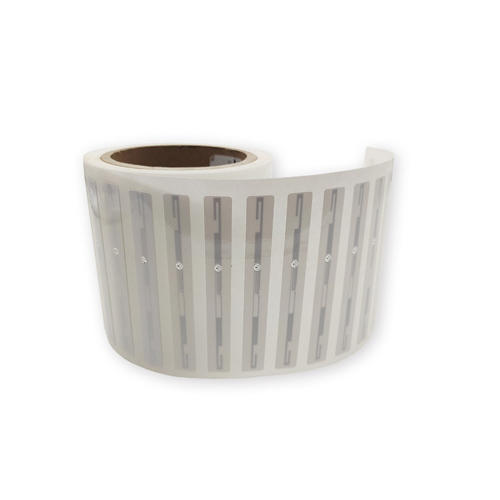
RFID Tag With LED Light For the Archives and Books Management
3. Enhanced Security and Tamper Prevention
Electronic Fencing and Access Control: RFID access control systems are implemented to trigger alarms when unauthorized files leave designated areas, preventing illegal removal or tampering.
Operation Log Tracking: The system records the time, person, and location of each file operation (such as borrowing, returning, and moving), enabling full process traceability and facilitating audits and accountability.
4. Data Integration and Intelligent Analysis
Seamless Management System Integration: RFID data can be integrated with ERP, OA, and other systems to achieve digitization of records, process automation, and intelligent decision-making.
Intelligent Early Warning and Optimization: By analyzing data such as file usage frequency and storage location, the system can automatically notify users of expired files, optimize storage layout, and improve space utilization.
5. Durability and Environmental Adaptability
Pollution-Resistant and Abrasion-Resistant: RFID tags are encapsulated with special materials to withstand harsh environments such as dust, moisture, and high temperatures, making them suitable for long-term archival storage.
Contactless Reading: Information can be read without direct contact with the tag, preventing tag damage or data loss due to frequent contact.

RFID Bottles | Smart Packaging for Authentication, Inventory & Consumer Engagement
6. Improve User Experience and Service Quality
Fast Borrowing and Returning: Users can quickly borrow and return files through self-service terminals, reducing wait times and improving service satisfaction.
Personalized Service: The system recommends relevant files based on user history, providing targeted service.
7. Significant Long-Term Cost-Effectiveness
Reduced Maintenance Costs: RFID tags have a long lifespan (typically over 10 years), reducing replacement frequency; automated processes reduce manual errors and lower error correction costs.
Support for Business Expansion: The system offers flexible functionality expansion (such as adding temperature and humidity monitoring, video surveillance, etc.) to adapt to future changes in file management needs.
RFID technology addresses the inefficiencies, errors, and security challenges of traditional archive management through automated, precise, and secure management. It also provides technical support for the long-term preservation and intelligent utilization of archives. With the development of the Internet of Things (IoT), RFID archive management systems are becoming a key trend in modern archive management.