

In traditional management models, enterprise fixed asset management relies on manual inventory, paper ledgers, or Excel spreadsheets. As asset scale expands, types increase, and circulation accelerates, problems such as data lag, discrepancies between accounts and reality, and low utilization rates gradually emerge. For example, a manufacturing enterprise incurs losses of over one million yuan annually due to idle or lost assets, and a manual inventory of the entire company’s assets takes two weeks, with an error rate of up to 15%.
To address these pain points, RFID for Asset Tracking (Radio Frequency Identification) technology is becoming a key support for the digital transformation of fixed assets in enterprises. Through the collaboration of tags, readers, and software systems, RFID for Asset Tracking achieves “automatic perception” and “full traceability” of asset information, driving management from “passive response” to “active control”.
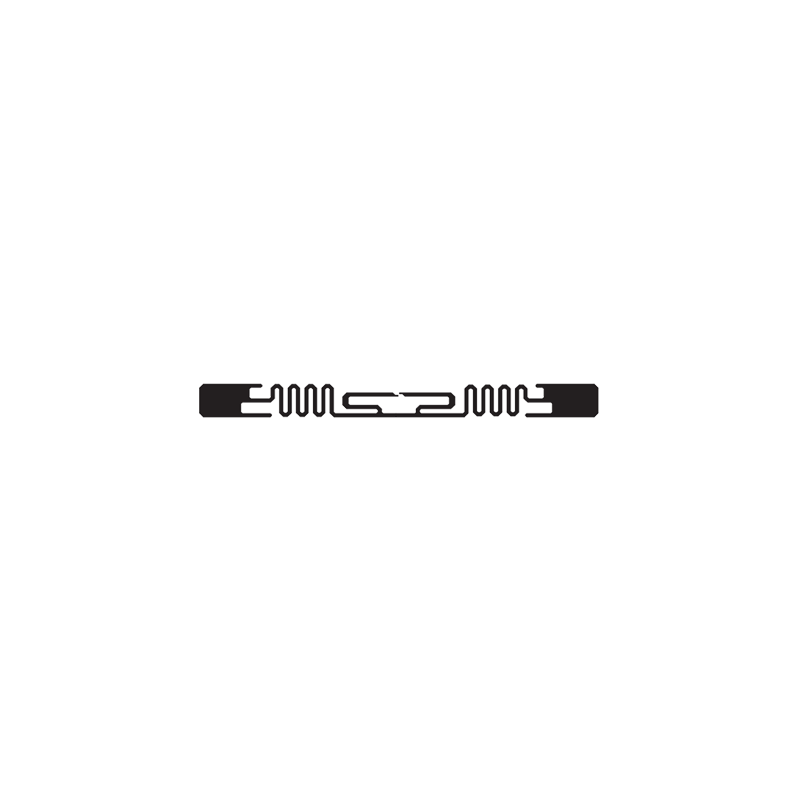
Advanced UHF Solution for RFID Asset Management ALN-9640 Label
1.RFID technology: What is a ‘digital ID card for asset management’?
RFID technology assigns a unique digital identifier to each asset through the combination of electronic tags, readers, and antennas
Electronic tag: a miniature device with a built-in chip that stores information such as asset name, model, purchase date, and responsible person, and can be pasted or embedded on the surface of the asset;
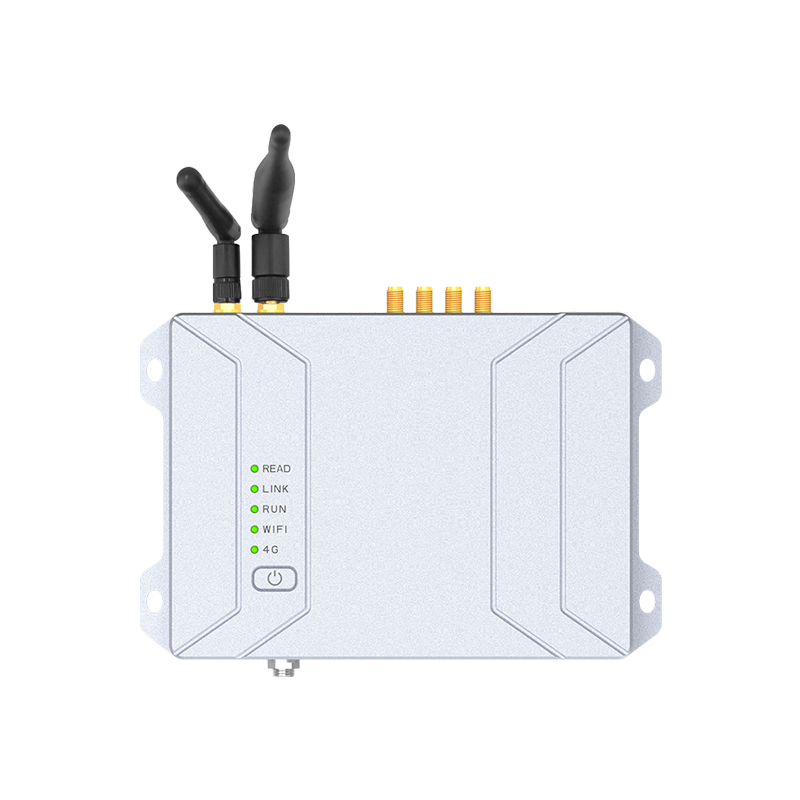
Reader/writer: automatically reads tag data through RF signals, supports batch recognition (can read ten tags at a time), without the need for manual scanning;
Antenna: Expand the signal range of the reader/writer to achieve long-distance (1-10 meters) and multi angle data acquisition.
Core advantages: Non contact recognition, synchronized reading of multiple tags, strong environmental adaptability (resistant to metal and dirt), completely replacing traditional barcodes and manual recording.
2.How to solve the four major challenges in fixed asset management using RFID?
2.1 Data lag and inaccuracy
In the traditional mode, asset information updates rely on manual input, which can easily lead to discrepancies between accounts and reality due to omissions or delays. RFID automatically synchronizes asset status (location, user, maintenance records) to the management system through real-time data collection, ensuring that information is “what you see is what you get”.
2.2 Low inventory efficiency and high error rate
Manual inventory requires item by item verification, which is time-consuming and prone to errors. The RFID reader can complete the inventory of the entire shelf asset within 30 seconds, with an error rate reduced to less than 1%, and the inventory efficiency increased by more than 10 times.
2.3 Difficulty in tracking asset circulation
The processes of asset borrowing, maintenance, and scrapping lack transparency. RFID tags support full lifecycle tracking, with every step from storage to disposal recorded and responsibility traceable.
2.4 Serious idle and loss of assets
Traditional management is difficult to grasp the actual use of assets. RFID can identify long-term idle assets and optimize allocation through data analysis; At the same time, combined with access control system and permission management, it prevents assets from being taken out without authorization and reduces the risk of loss.
3. The Four Core Values of RFID Empowering Asset Management
3.1 Automatic collection, freeing up manpower
When assets are put into storage, RFID tags are pasted, and subsequent operations such as requisition, return, and repair are automatically recorded through a reader, reducing more than 90% of manual input work.
3.2 Efficient inventory and precise control
Management personnel hold RFID readers or access through fixed readers to quickly complete asset inventory, generate discrepancy reports, and ensure consistency between accounts and reality. RFID ultra-high frequency handheld terminals can be widely used in various mobile work environments such as intelligent tool management, tool search, equipment inspection, fixed asset management, book and archive inventory, anti-counterfeiting traceability, clothing inventory, industrial washing, etc. Wireless Radio Frequency Identification (RFID) systems.

3.3 Track the entire lifecycle and optimize utilization
The system records the entire process data of asset purchase, use, maintenance, and scrapping, assisting in the development of procurement plans to avoid duplicate purchases or idle waste.
3.4 Clarify responsibilities and reduce risks
Each asset is bound with responsible person information, combined with permission management (such as only authorized personnel can operate specific assets), to reduce human damage or loss.
4. A key step in digital transformation: deep integration from technology to management
RFID technology is not only a hardware tool, but also a “connector” that promotes the digitization of enterprise asset management. Through integration with ERP, OA and other systems, RFID data can drive more refined decisions, such as analyzing asset usage frequency and eliminating inefficient equipment; Or dynamically allocate resources according to departmental needs to improve overall utilization.
Case: After a technology company introduced an RFID system, the asset inventory cycle was shortened from 2 weeks to 2 days, idle assets were reduced by 30%, and annual procurement costs were reduced by 20%.
Conclusion: Technology empowers asset management to return to “controllability” and “efficiency”
The value of RFID technology lies in transforming tedious asset management tasks into intelligent processes that are automated, traceable, and data-driven. It enables enterprises to no longer be troubled by “where the assets are”, “who is using them”, or “whether they should be scrapped”, but to achieve transparent management and efficient utilization of resources through technological means.