

RFID for Library solutions represent one of the most mature applications of RFID technology across various industries. Widely adopted in library and archive management systems, this technology uses RFID tags to assign a unique identifier to each book. RFID readers can then instantly retrieve detailed information about every book, enabling comprehensive management of all library collections. When integrated with RFID-based library anti-theft access control systems, these solutions provide robust security and theft prevention, ultimately enabling fully intelligent library management.
1.How does RFID library anti-theft access control prevent theft?
The anti-theft modes used in actual RFID library applications can be summarized into the following five categories:
- magnetic strip anti-theft;
- RFID-EAS-TTF security position detection;
- RFID tag security position anti-theft;
- database status verification detection anti-theft;
- access control UID detection anti-theft.
1.1Magnetic strip anti-theft
The design philosophy of this system is to maintain the existing magnetic strip security access control system unchanged while installing RFID tags to enable self-service circulation and shelf area management. The advantages of magnetic strip anti-theft include discretion and a long service life. The magnetic strip security access control system is independent of the network and system, does not provide any information about problematic collections when an alarm is triggered, and the access control system cannot be used for other RFID detection statistics.
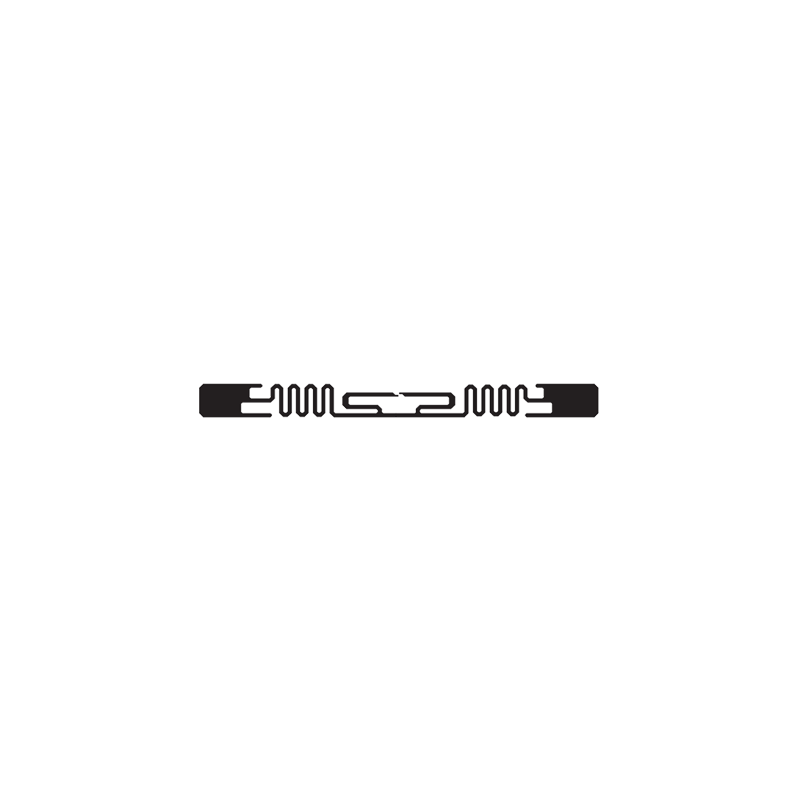
Advanced UHF Solution for RFID Asset Management ALN-9640 Label
2.How does RFID library anti-theft access control prevent theft?
2.1 RFID-EAS-TTF Security Bit Detection
The tag contains an erasable EAS security bit. After a library item undergoes borrowing/return operations, the EAS security bit is written with the corresponding status information. When a reader carries the book through the anti-theft access control system, the library item (tag) that has not been checked out actively sends information to the anti-theft access control system, triggering an alarm. Its key feature is that the tag operates in TTF (Tag Talk First) mode. After the tag is powered on, the access control antenna performs a group detection of the tags, without requiring the tags to enter sleep-wake mode. It fully reads the user-stored information in the tag chip, a mechanism similar to magnetic stripe detection. The manufacturer claims a detection efficiency of up to 95%, with a typical example being SEIKO’s chip. The anti-theft access control system is independent of the network and system. When an alarm is triggered, it does not provide any collection information, and the access control system cannot be used for other RFID detection statistics.
3.RFID Tag Security Bit Anti-Theft
The tag contains an erasable security bit. After a book is borrowed or returned, the security bit is written with the corresponding status information. When a reader passes through the access control system with the book, the book (tag) undergoes a sleep-wake cycle as it passes through the anti-theft gate, allowing each tag to be read and identified individually. Books (tags) that have not been properly checked out will trigger an alarm at the access control system. According to theoretical estimates, the detection efficiency of such systems is slightly lower than that of the RFID-EAS-TTF mode. The anti-theft access control system is independent of the network and system, and may or may not provide information about problematic items when an alarm is triggered. Additionally, the access control system can be used for other detection statistics by the RFID reader.
4.Database Status Verification and Anti-Theft Detection
When readers borrow library materials, the anti-theft gate checks the database to verify the borrowed/unborrowed status of each item. If the borrowing procedure has not been completed, an alarm is triggered. This anti-theft method requires the most steps and is most dependent on the network and database, so it is considered a relatively inefficient anti-theft method. The anti-theft access control system is integrated with the network and system, providing collection information when an alarm is triggered. Additionally, the access control system can be used for other RFID-based detection and statistical purposes.
5.Access Control UID Detection Anti-Theft
When processing borrowing/returning procedures for all library collections, the front-end RFID system broadcasts the tag UID information over the network to all access control terminal databases (or removes it from them). When readers pass through the access control with library books, the access control system compares the UID of each item with the access control inventory information. If it cannot find the information for a particular item, it will trigger an alarm. The anti-theft access control system is closely integrated with the network and system, with strong dependency. It provides collection information when an alarm is triggered, and the access control system can also be used for other RFID detection and statistical purposes.
The above outlines the anti-theft principles of RFID-based library access control systems. Magnetic stripe anti-theft technology is the most traditional anti-theft security method, while libraries utilizing RFID technology typically employ EAS (Electronic Article Surveillance) security tag detection to achieve book anti-theft protection.