

Efficiency and accuracy in material management during firefighting operations are directly critical to the success of rescue missions. Traditional firefighting material management methods, which primarily rely on manual record-keeping and periodic inventory checks, suffer from several drawbacks. Firstly, manual records are prone to errors, making data accuracy difficult to guarantee. For example, mistakes in recording the quantity, model, or location of materials may occur due to human oversight. Secondly, traditional management methods are inefficient, consuming significant time and labor. Conducting inventory requires manually checking each item, which is not only time-consuming and labor-intensive but also lacks real-time capability. Furthermore, traditional management cannot achieve real-time monitoring of materials, making it difficult to track their usage status and location, which can hinder accurate and timely decision-making during emergency rescues.
With continuous technological advancements, RFID For Material Management has emerged as a powerful solution for firefighting operations. RFID (Radio Frequency Identification) technology provides advantages such as non-contact operation, long-distance identification, and rapid data exchange, effectively addressing the limitations of traditional methods. It significantly improves efficiency and accuracy while enabling real-time visibility of materials, thereby providing robust support for faster and more reliable firefighting rescue operations.
1. Overview of RFID Technology
1.1 Composition and Working Principle of an RFID System
RFID technology primarily consists of tags, readers, and antennas. RFID tags are carriers of item information and are categorized into active and passive tags. Active tags have a built-in battery and can actively transmit signals, offering a longer read range. Passive tags derive energy from the RF signal emitted by the reader, resulting in a relatively shorter read range. RFID readers are used to read information stored on tags and transmit it to a backend management system. RFID antennas are responsible for transmitting RF signals between the tag and the reader.
When a tagged item enters the RF field of an RFID reader, the tag receives the RF signal from the reader via its antenna. It uses the energy from this signal to send the information stored in its chip back to the reader. Upon receiving the tag’s return signal, the reader decodes and processes it, then transmits it to the backend management system for further analysis and management.
1.2 Advantages of RFID Technology
- Non-contact Identification: RFID technology enables identification without direct physical contact, avoiding the need to align items as required by traditional barcode scanning, thus improving identification efficiency.
- Long-distance Identification: The read range of RFID tags can reach several meters or even tens of meters, allowing long-distance identification of items and facilitating material management over larger areas.
- Rapid Data Exchange: RFID technology can read a large volume of tag information and perform rapid data exchange in a short time, significantly improving material management efficiency.
- Reusability: RFID tags can be reused, reducing costs. In contrast, traditional barcode labels typically need replacement after a single use, increasing management costs.
- Large Data Storage Capacity: RFID tags can store substantial information, including item name, model, production date, usage records, etc., providing rich data support for material management.
2. Application in Firefighting Material Management
2.1 Firefighting Equipment Identification, Inventory, and Positioning
2.1.1 Unique Identification
Using RFID tags for unique identification of each piece of firefighting equipment is the foundation of intelligent management. Each piece of equipment is attached with an RFID tag storing detailed information such as name, model, production date, usage records, etc. This method allows for fast and accurate identification of each item, avoiding confusion and errors.
For example, an RFID tag containing information like size, production date, and usage count can be attached to the collar or cuff of a firefighter’s coat. For a respirator, a tag storing model, inspection date, and remaining service time can be placed on the facepiece or air cylinder. For rescue tools, a tag with the tool’s name, purpose, and instructions can be attached to the handle or tool head.
2.1.2 Rapid Inventory
RFID technology enables rapid inventory counting, greatly improving material management efficiency. Traditional inventory methods require manual checking of each item, which is time-consuming, labor-intensive, and error-prone. Using RFID, one only needs to bring an RFID reader close to the material storage area to quickly read all tag information for automatic inventory.
For example, in a firefighting warehouse, an RFID handheld reader can be used for inventorying stored equipment. Staff simply walk through the warehouse with the handheld reader, which automatically reads all tag information and transmits it to the backend management system. The system then generates inventory reports showing quantities, models, locations, etc., facilitating management review.
2.1.3 Precise Positioning
RFID technology can also achieve precise positioning of firefighting equipment. In large firefighting warehouses or stations, the sheer quantity of materials and complex storage locations make it difficult for traditional management to quickly and accurately locate needed items. RFID technology allows real-time tracking of material positions via a positioning system, aiding management in searching and dispatching.
For instance, multiple RFID readers and antennas can be installed in a firefighting warehouse to form a positioning network. When a tagged item enters this network, readers can determine its location based on signal strength and time difference of arrival. Managers can view item locations via the backend system and dispatch as needed. Additionally, RFID readers and antennas can be installed on fire trucks for real-time positioning of onboard materials, ensuring quick access during emergency responses.

Passive RFID Reader Integrated with Impinj E710
2.2 Material Flow Tracking
2.2.1 Inbound Management
When firefighting materials arrive, staff can use an RFID handheld reader to scan the materials and input their information into the system. The system automatically records the inbound time, quantity, model, etc., and assigns a unique storage location. The system can also interface with supplier management systems for end-to-end tracking of procurement and receipt.
For example, when newly purchased firefighting coats arrive, staff scan the tags with the reader to input information. The system records inbound time, quantity, sizes, etc., assigns a storage location, and can send inbound information to the supplier for inventory management and settlement.
2.2.2 Outbound Management
When materials are issued, staff similarly use an RFID handheld reader to scan the items, recording outbound time, quantity, receiving unit, etc. The system automatically updates inventory status based on this outbound information and tracks material usage.
For example, when a firefighting unit needs to collect coats, staff scan the tags to record the outbound time, quantity, receiving unit, etc. The system updates inventory status, sends outbound information to relevant departments for record-keeping, and can track usage, such as usage count or damage status, providing a basis for maintenance and replacement.
2.2.3 Maintenance Cycle Management
RFID technology helps managers accurately track the maintenance cycles of firefighting materials, ensuring equipment remains in good condition. Each piece of equipment’s RFID tag can store its maintenance cycle information, such as washing cycle for coats or inspection cycle for respirators. When an item approaches its maintenance deadline, the system automatically issues reminders, allowing managers to schedule maintenance promptly.
For example, when a coat reaches its washing cycle, the system reminds managers to arrange cleaning and disinfection. For respirators, the system can remind managers for periodic inspections based on the stored cycle, ensuring performance and safety. The system can also record the time and details of maintenance activities, providing a basis for management and traceability.
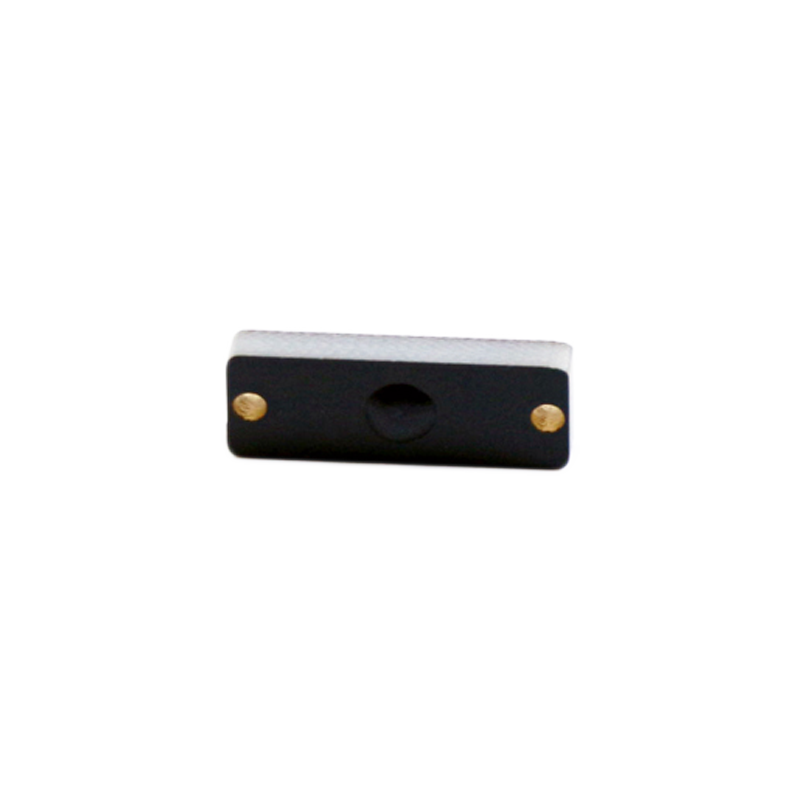
Anti Metal RFID Tag Manufacturers
3. Management of Materials and Personnel on Fire Trucks
3.1 Dynamic Monitoring of Fire Truck Materials
3.1.1 Installing RFID Readers and Tags
Installing RFID readers and tags on fire trucks enables dynamic monitoring of onboard materials. Each fire truck is equipped with an RFID reader to read information from tags on materials. Each item is attached with an RFID tag storing details such as name, model, quantity, and location.
For example, multiple RFID readers and antennas can be installed inside the truck cabin to create an RF field covering the entire space. When materials enter the cabin, the reader automatically reads the tag information and transmits it to the backend system. The system uses this data to provide real-time awareness of the types, quantities, and locations of materials onboard, facilitating management and dispatch.
3.1.2 Real-time Monitoring of Material Status
RFID technology allows real-time monitoring of the status of materials on fire trucks, ensuring they are fully prepared and clearly located during emergency responses. For example, sensors can be installed on the fire truck. Data collected by these sensors can be transmitted via RFID tags to the backend management system. This system can then use this data to monitor material status in real-time, such as the pressure of fire extinguishers or the length and damage condition of fire hoses.
When a fire truck is dispatched for a mission, the system can automatically check if the onboard materials meet the mission requirements. If shortages or damage are detected, the system can issue an immediate alert, prompting managers to replenish or repair. Furthermore, the system can automatically optimize the placement of materials based on mission needs, improving access efficiency.
3.2 Rapid Personnel Access Verification and Safety Tracking
3.2.1 Equipping Firefighters with RFID Badges
Equipping firefighters with RFID badges enables rapid access verification and safety tracking. Each firefighter wears an RFID badge that stores personal information such as name, ID, and affiliated unit. RFID readers are installed at the entrances and exits of the fire station and on the doors of fire trucks. When a firefighter passes by, the reader automatically reads the badge information and transmits it to the backend management system.
For example, when a firefighter enters the fire station, a reader can automatically read the badge information and record the check-in time. When the firefighter boards a fire truck, a reader can read the badge again, recording the boarding time and location. At a fire scene, the system can track the firefighters’ locations in real-time via the RFID badges, ensuring personnel safety.
3.2.2 Integration with Smart Access Control Systems
Integrating with a smart access control system enables stricter personnel access management. The smart access control system can be linked with the RFID readers, allowing only personnel holding valid RFID badges to pass through. Additionally, the access control system can record the times and locations of entries and exits, providing more detailed data for personnel management and safety tracking.
For example, with a smart access control system installed at the fire station entrance, when a firefighter approaches, the system automatically identifies their RFID badge and determines if they have access permission. If authorized, the door opens automatically, and the system records the entry time and location.
3.2.3 Enhancing Emergency Response Speed and Personnel Safety
Equipping firefighters with RFID badges and integrating with a smart access control system can significantly enhance emergency response speed and personnel safety. During an emergency dispatch, the system can quickly and accurately record the attendance and location information of firefighters, providing commanders with detailed data for personnel deployment. Furthermore, at the fire scene, the system can track firefighters’ locations in real-time to ensure safety. If a dangerous situation occurs, commanders can promptly initiate rescue and evacuation.
For example, during a large-scale fire rescue operation, using RFID technology and the smart access control system, commanders can quickly understand the attendance and location distribution of firefighters. If a shortage of firefighters is detected in a specific area, commanders can promptly dispatch support from other areas. Simultaneously, the system can monitor firefighters’ locations and vital signs in real-time at the scene. If an anomaly in a firefighter’s vital signs is detected, commanders can immediately initiate rescue and evacuation procedures to ensure personnel safety.
4. Design of an Unobtrusive Management Solution
4.1 Characteristics of Unobtrusive Management
4.1.1 Automated Operation
The unobtrusive management solution emphasizes automated operation with minimal human intervention. By combining RFID technology with automated equipment, it enables automatic identification, inventory, positioning, and tracking of materials, as well as automatic access verification and safety tracking of personnel. Managers only need to monitor and manage via the backend system, without performing cumbersome manual tasks.
For example, when firefighting materials arrive, staff simply place them in a designated location; the system automatically identifies the tag information and logs it into the system. For inventory, managers only need to start the inventory procedure on the backend system, which automatically reads all tag information and generates inventory reports. For access verification, firefighters only need to wear their RFID badge; the system automatically identifies their identity and records their entry/exit times and locations.
4.1.2 Real-time Monitoring
The unobtrusive management solution achieves real-time monitoring of firefighting materials and personnel. By combining RFID technology with sensors, it enables real-time awareness of material usage status, location information, and personnel movement trajectories, providing managers with more accurate and timely information support. Managers can use this information for real-time decision-making and dispatch, improving the efficiency and safety of firefighting rescue operations.
4.1.3 Efficient and Convenient
The unobtrusive management solution brings an efficient and convenient experience to firefighting work. Automatic identification and tracking of materials reduce time spent on manual inventory and searching. Automatic access verification and safety tracking of personnel improve dispatch efficiency and safety. The entire management process eliminates cumbersome operations and waiting, enhancing work efficiency and saving precious time for firefighting rescue.
For example, during an emergency dispatch, firefighters no longer need to go through traditional check-in and equipment inspection procedures. They simply wear their RFID badge and board the fire truck. The system automatically identifies personnel and equipment information and records dispatch times and material readiness. At the fire scene, firefighters can quickly access needed materials without worrying about their location or quantity, thus improving rescue efficiency.
4.2 Methods for Implementing Unobtrusive Management
4.2.1 RFID Tags and Readers
Install RFID tags on firefighting materials and firefighters. Deploy RFID readers on fire trucks, in fire station buildings, and at key locations. Ensure stable performance and appropriate read range for tags and readers to accurately identify and transmit information in various environments.
For example, attach heat-resistant, waterproof RFID tags to materials like firefighting coats, respirators, and rescue tools. Install high-performance readers inside truck cabins, at warehouse entrances, and at fire station exits to achieve comprehensive monitoring of materials and personnel.
4.2.2 Smart Access Control System
Install a smart access control system that works in conjunction with RFID technology to enable rapid personnel access verification and safety tracking. The access control system can automatically verify a person’s permissions based on RFID badge information and record entry/exit times and locations.
For example, set up smart access control at the fire station entrance. When a firefighter wearing an RFID badge approaches, the door opens automatically and records the personnel information, ensuring only authorized personnel can enter.
4.3 Integration into Daily Fire Station Workflows
4.3.1 Material Procurement and Receiving
During material procurement, attach RFID tags to newly purchased items and log their information into the backend system. When materials arrive, readers automatically identify tag information, and the system automatically records the receiving time and location, enabling rapid inbound processing and information updates.
For example, after purchasing new firefighting coats, staff attach RFID tags to them and input information like model, size, and production date into the tag. When the coats arrive at the warehouse, readers automatically read the tag information, and the system automatically records the receiving time and storage location, facilitating subsequent management and retrieval.
4.3.2 Daily Training and Maintenance
During daily training and maintenance, monitor the usage and condition of firefighting equipment in real-time using RFID technology and sensors. The system can record equipment usage counts, maintenance history, etc., providing a basis for equipment maintenance and replacement.
For example, when firefighters conduct daily training, the system can monitor the usage of equipment like coats and respirators via RFID tags and sensors, recording usage duration, wear level, etc. When equipment requires maintenance, the system automatically issues a reminder, allowing managers to schedule maintenance promptly.
4.3.3 Emergency Dispatch and Rescue
During emergency dispatch and rescue, RFID technology enables rapid identification and tracking of fire truck materials and personnel. Commanders can use the backend system to understand the real-time situation of materials and personnel, enabling rational dispatch and command.
For example, when a fire truck is dispatched for a mission, the system can automatically check if the onboard materials are complete, record the information of dispatched personnel, and track the usage of firefighting materials, facilitating timely dispatch and support.
4.3.4 Material Retirement and Replacement
When firefighting materials reach the end of their service life or are damaged beyond repair, use RFID technology for retirement processing. The system can record the retirement time and reason, providing a reference for material replacement and procurement.
For example, when a firefighting coat can no longer meet usage requirements after repeated use and maintenance, staff can use an RFID reader to mark it as retired and log the retirement information into the system. Based on the retirement status and historical usage data, the system can analyze replacement needs and provide decision-making support for the procurement department.
4.4 Benefits of Unobtrusive Management
- Improved Management Efficiency: The unobtrusive management solution automates and intellectualizes material and personnel management, reducing manual intervention and improving management efficiency. Managers can quickly and accurately grasp the status of materials and personnel via the backend system for real-time decision-making and dispatch, saving time and labor costs.
- Enhanced Material Management Accuracy: By combining RFID technology with sensors, the unobtrusive management solution enables precise management of firefighting materials, real-time monitoring of usage status, location, and maintenance cycles, ensuring materials remain in good condition, improving utilization rate and service life.
- Increased Emergency Response Speed: During emergency dispatch and rescue, the unobtrusive management solution enables rapid and accurate identification and tracking of fire truck materials and personnel, providing commanders with real-time information support and increasing emergency response speed. Firefighters can quickly access needed materials, reducing preparation time and improving rescue efficiency.
- Optimized Resource Allocation: The unobtrusive management solution allows real-time monitoring of material usage and demand, enabling optimized resource allocation. It facilitates rational planning of material procurement and distribution based on actual needs, avoiding waste and shortage, thus improving resource utilization efficiency.
- Enhanced Management Decision-Making: Abundant real-time data and analytical reports provide powerful decision-making support for managers. By analyzing data on material usage, personnel attendance, emergency response effectiveness, etc., managers can promptly identify issues and deficiencies, and formulate more scientific and reasonable management strategies and emergency plans.
5. Technical Challenges and Solutions
5.1 Signal Interference
5.1.1 Problem Analysis
In a firefighting environment, various sources of signal interference may exist, such as metal structures, electromagnetic equipment, and high temperatures. These factors can affect the transmission and reading accuracy of RFID signals.
For example, in a fire truck garage, the metal structures of trucks and equipment can shield RFID signals. At a fire scene, high temperatures and electromagnetic interference can degrade the performance of RFID tags and readers.
5.1.2 Solutions
Optimize Antenna Design: Select appropriate antenna types and installation positions to improve signal penetration and anti-interference capability. Use high-gain antennas, directional antennas, or multi-antenna arrays, adjusting and optimizing based on the actual environment.
Frequency Selection and Frequency Hopping Technology: Choose a suitable RFID operating frequency to avoid frequency conflicts with other devices. Additionally, using frequency hopping technology can reduce interference and improve signal stability.
Signal Amplification and Filtering: Use signal amplifiers and filters to enhance signal strength and quality, reducing the impact of interfering signals.
Environmental Monitoring and Adjustment: Monitor the firefighting environment to understand the distribution and intensity of interference sources. Adjust the parameters and layout of the RFID system based on the actual situation to improve signal reading accuracy.
5.2 Data Security
5.2.1 Problem Analysis
Firefighting material management involves a significant amount of sensitive information, such as material locations, usage status, and personnel information. The security of this information is critical. Data tampering, theft, or leakage could severely impact firefighting operations.
For example, a malicious attacker might tamper with material location information, causing commanders to make wrong decisions, or steal firefighters’ personal information, threatening their safety.
5.2.2 Solutions
Encryption Technology: Use advanced encryption algorithms to encrypt communication data between RFID tags and readers, ensuring data security and integrity. Also, encrypt data storage and transmission for the backend management system.
Access Control: Establish strict access control mechanisms, allowing only authorized personnel to access RFID system data and functions. Use identity authentication, permission management, and other technologies to ensure secure data access.
Data Backup and Recovery: Regularly back up RFID system data to prevent data loss. Establish a data recovery mechanism to ensure rapid data recovery in case of system failure or data corruption.
Security Monitoring and Alerting: Establish a security monitoring system to monitor the security status of the RFID system in real-time. Issue timely alerts when anomalies are detected and take appropriate measures.
5.3 Tag Damage and Loss
5.3.1 Problem Analysis
In firefighting work, materials are subject to various risks of damage and loss. For example, firefighting coats and respirators can be worn, torn, or damaged by high heat during use. RFID tags can be damaged or lost due to impacts, scratches, or environmental factors.
For example, at a fire scene, a firefighting coat might be damaged by flames and high heat, causing the RFID tag to malfunction. Tags might also fall off or be damaged due to impacts during handling or storage.
5.3.2 Solutions
Tag Protective Design: Manufacture RFID tags using heat-resistant, waterproof, and abrasion-resistant materials to improve tag durability and reliability. Also, properly encapsulate and secure tags to reduce the risk of damage and loss.
Backup Tags and Redundancy Design: Equip critical firefighting materials with backup tags that can be promptly replaced if the primary tag is damaged or lost. Also, use redundancy design by attaching multiple tags to an item to improve system reliability.
Regular Inspection and Maintenance: Regularly inspect and maintain firefighting materials and RFID tags, promptly identifying and handling damaged or lost tags. Establish a tag management log to record tag usage and maintenance history.