

Understanding RFID labels is essential for efficient asset tracking, inventory management, and supply chain optimization. This RFID Label Guide provides a comprehensive overview of RFID label types, applications, and best practices to help you select the right solution for your needs. Whether you’re deploying RFID for retail, logistics, or industrial use, this guide covers key considerations—from frequency bands (LF, HF, UHF) to adhesive durability and environmental resistance. Discover how RFID labels can streamline operations and enhance data accuracy in your workflow
This paper explores the primary markets and application areas where RFID technology plays a central role. Leveraging its ability to rapidly and accurately identify and track target objects, RFID technology has achieved widespread adoption across various industries. Its typical application scenarios are as follows:
1.Supply Chain Management

In supply chain management scenarios, enterprises can attach RFID tags to containers, pallets, and other packaging carriers to significantly enhance supply chain visibility and operational efficiency, enabling real-time tracking of goods’ movement across all supply chain stages.

China RFID UHF UCODE 9 Label Manufactuer
2.Asset Tracking

RFID technology is also widely used in asset tracking to monitor the location and operating status of equipment, vehicles, tools, and other assets in real time. This application can help organizations improve asset utilization, reduce equipment downtime, and optimize overall operational efficiency.
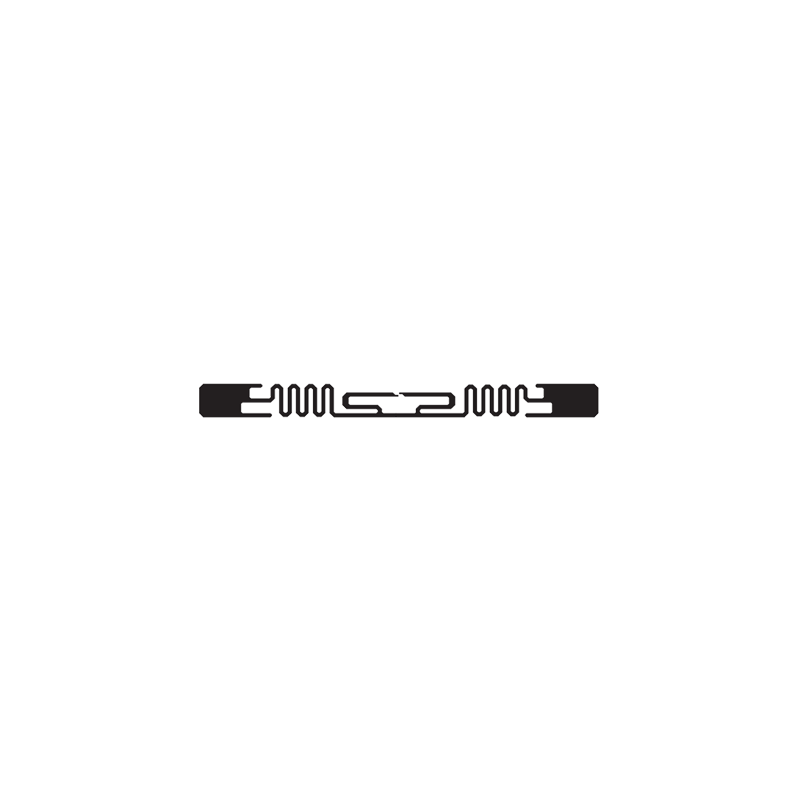
Advanced UHF Solution for RFID Asset Management ALN-9640 Label
3.Inventory Management

RFID technology is well established in inventory management, effectively avoiding inventory backlogs and shortages of products or components. Since RFID tags can be directly attached to the surface of products, companies can accurately track inventory dynamics and quickly respond to changes in market demand. In addition, this technology also supports quality control processes, and is particularly suitable for managing inventory items with limited shelf life.
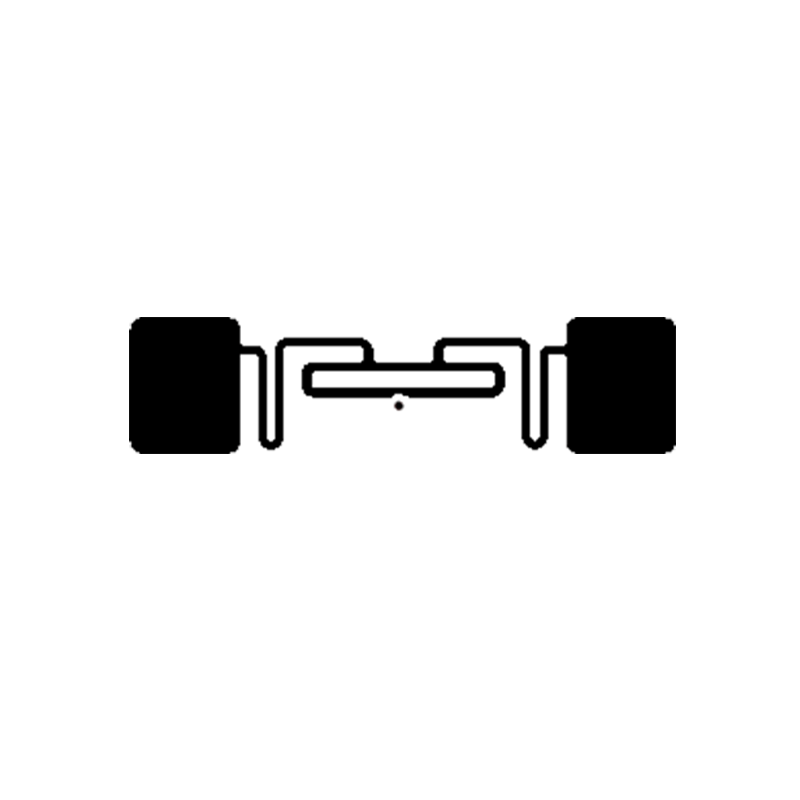
ALN-9962 Short Higgs 9 Clear Wet Inlay
4.Healthcare

In the healthcare industry, RFID technology can improve patient safety, reduce medication errors, and simplify nursing service processes. RFID tags can be attached to medical equipment to enable fast and accurate location and tracking of equipment. RFID-enabled wristbands can be used to verify patient identities and record their movements within medical institutions.

EPC RFID Metal Label For the Medical Equipment Tracking
5.Access Control

RFID technology can be used to control access to secure areas and facilities. By integrating RFID tags into employee badges, employees can simply wave their badges within the sensing range of the RFID reader to complete access verification for restricted areas, making the operation convenient and highly secure.

Anti Counterfeiting NFC Tags – ISO/IEC14443-A Certified for Secure Product Authentication
6.Retail

In the retail industry, RFID technology significantly optimizes inventory management systems: not only does it reduce theft and inventory loss rates, but it also enhances the customer shopping experience. By attaching RFID tags to individual items, retailers can efficiently monitor inventory levels and quickly respond to fluctuations in consumer demand.

RFID Handheld Reader
7.Logistics

RFID technology is widely used to optimize supply chain logistics processes, covering the tracking of goods between different distribution centers, accurate verification of inventory data, and item-level identification management. Relying on real-time data collection capabilities, logistics companies can quickly respond to dynamic changes in market demand, provide better customer service, and ultimately build a stronger competitive advantage in the market.

RFID in Transportation and Logistics
8.Manufacturing

In the manufacturing sector, RFID technology has become a core tool for optimizing production processes and strengthening inventory tracking and equipment monitoring. Attaching RFID tags to components and finished products allows for real-time tracking of their movement throughout the entire production process, thereby reducing the risk of operational errors and improving production efficiency and overall operational effectiveness.
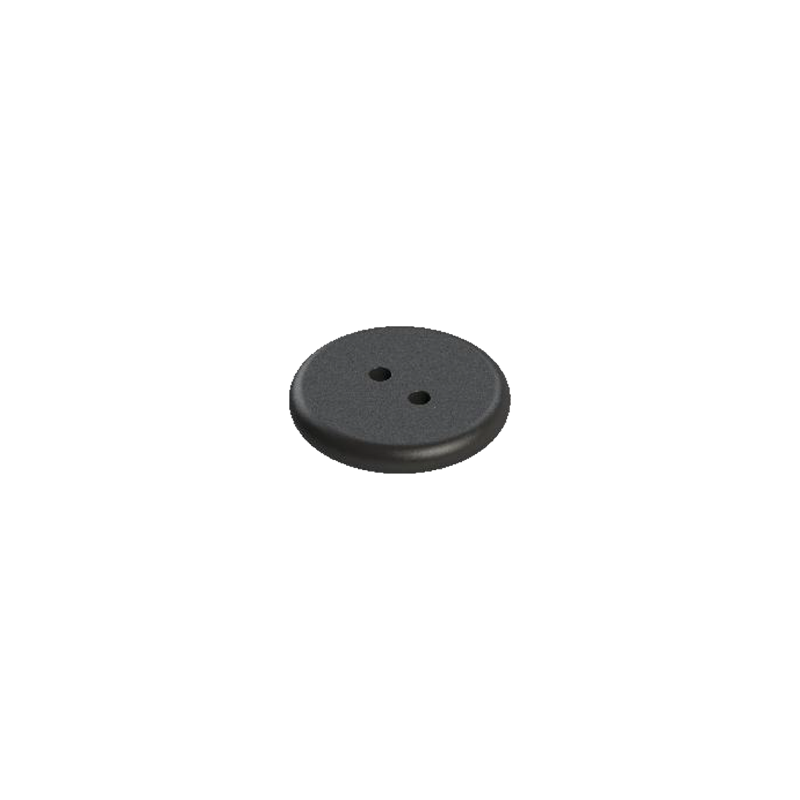
RFID Clothing Tag
9.Automobiles

RFID technology has a wide range of applications in the automotive industry, including tracking the entire life cycle of parts, traceability management in production process automation (especially in vehicle manufacturing), customer safety assurance, product certification, brand protection, and improving human efficiency and operational efficiency through smart manufacturing. In addition, this technology can also help detect potential vehicle leakage hazards, further improving vehicle safety performance and product quality.
10.Product Certification

NFC (Near Field Communication) technology can store unique and encrypted secure information in NFC tags, which can be attached to the product itself or its packaging. Users can read the information in the tags using smartphones and other NFC-enabled devices, providing a reliable means of verifying the authenticity of products. Consumers can scan the product’s NFC tag with their smartphone to access key information such as the product’s country of origin, production date, and batch number, thereby confirming the product’s authenticity and avoiding the risk of counterfeit or substandard products.
11.Food

In the food industry, RFID technology is mainly used for food safety assurance — enabling end-to-end tracking of products from their place of origin to retail outlets, meeting relevant legal and regulatory requirements and market supervision needs, while also assisting in food waste management. In addition, this technology can monitor temperatures in cold chain transportation in real time to ensure that food remains fresh and safe to eat.
12.Other industries

In addition to the above applications, RFID technology has also penetrated areas such as library management, transportation, animal identification, sports events, and large-scale event management. With the continuous iteration and upgrading of technology, it is expected to give rise to more emerging industries and application scenarios in the future, providing new opportunities for various organizations to optimize their operating models and gain competitive advantages.