

In the warehousing and logistics sector, RFID Logistics Solutions have become one of the most effective approaches for improving operational efficiency and accuracy. By leveraging RFID technology, these solutions enable transparent and intelligent management across the entire supply chain through contactless automatic identification. Their core value lies in real-time data capture, reduced human error, and enhanced visibility, empowering businesses to optimize inventory control, streamline workflows, and achieve higher levels of operational efficiency.

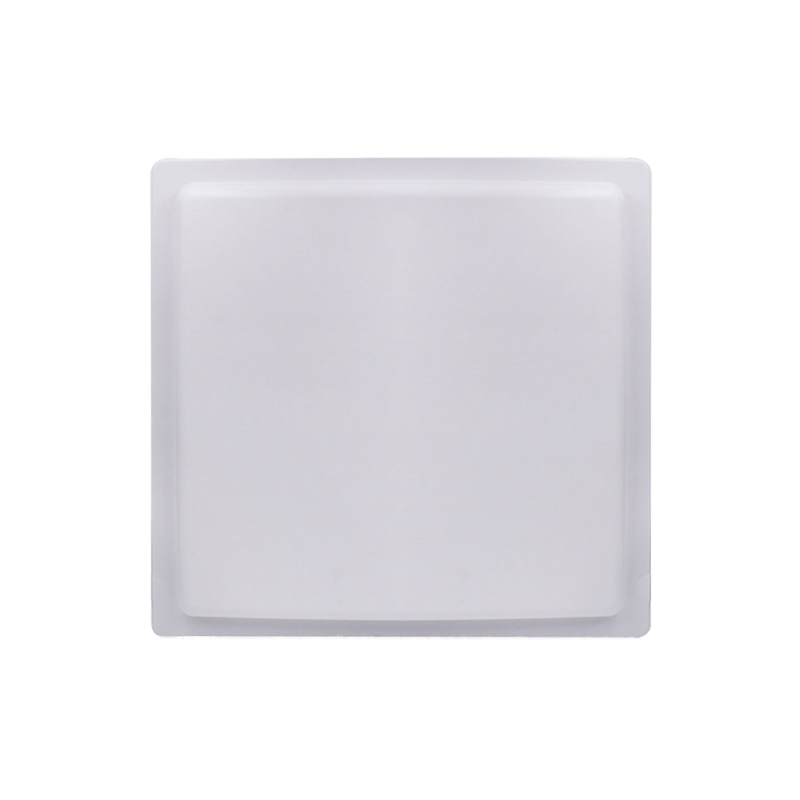
12dBi Circular Linear RFD UHF Reader Antenna
1. Core Features: Addressing the 4 Major Pain Points of Warehouse Management
The system integrates hardware (RFID tags and readers) with software to cover the entire warehouse management process.
Inbound Management: After goods are tagged, information can be captured quickly and in bulk using a reader, automatically generating inbound receipts. This replaces manual scanning or data entry, boosting efficiency by 5 to 10 times.
Inventory Management: Eliminating the need for manual inventory counts, handheld or fixed readers can quickly scan shelf areas to automatically tally inventory quantities and locations, updating system data in real time with inventory accuracy approaching 100%.
Outbound Management: Based on order requirements, the system guides picking routes. Upon completion, a scanner verifies the goods’ information to prevent mis-shipments or omissions, while automatically generating outbound records.
In-Transit Tracking: By attaching RFID tags to transport vehicles or batches of goods and combining them with GPS technology, the system can monitor the real-time location and status (such as temperature and humidity) of shipments, achieving end-to-end visibility.
2. Key Components: A Three-Tier Architecture Working in Concert
The system primarily consists of three components: the hardware layer, the software layer, and the application layer, all of which are indispensable.
Hardware Layer: RFID tags, readers (fixed/handheld), and antennas, which are responsible for data collection and transmission and serve as the data entry point;
Software Layer: Middleware, databases, and system management software, which process the collected data, perform logical operations, and store the data;
Application Layer: Inbound/outbound/inventory modules and report analysis modules, which provide a user-facing interface and offer specific management functions.


RFID Handheld Reader
3. Key Advantages: Three Breakthroughs Over Traditional Management Methods
Compared to traditional methods such as barcodes and manual record-keeping, the advantages of RFID systems are significant.
Higher Efficiency: Supports batch identification, allowing the reading of dozens of tags at once without the need for individual scanning, which significantly reduces processing time.
Greater Fault Tolerance: Tags are resistant to dirt and water and support contactless identification (with a reading range of 0.1–10 meters), making them well-suited for complex warehouse environments.
More Real-Time Data: Goods information is synchronized to the system in real time, allowing managers to view inventory and order progress at any time, thereby reducing decision-making errors caused by information delays.

125khz RFID Transponder
4. Typical Application Scenarios
Manufacturing: Manage raw materials and semi-finished goods to ensure precise material handover between production lines and warehouses.
E-commerce Warehousing: Handle high order volumes during major sales events by rapidly completing receiving, picking, and shipping to prevent warehouse overload.
Cold Chain Logistics: Combined with temperature and humidity sensor tags, monitor environmental parameters for fresh produce and pharmaceuticals during storage and transportation to ensure quality.
An RFID Warehouse Logistics Management System is an intelligent system that uses RFID (Radio Frequency Identification) technology to automatically collect, track, and manage cargo information. Its core objective is to enhance warehouse operational efficiency and inventory transparency. It not only improves the accuracy and speed of operations but also elevates service quality, reduces costs, and saves on labor and storage space.