

Traditional anti-counterfeiting methods like codes and laser markings are easy to replicate and difficult to verify, often leading to counterfeit products and channel diversion. RFID Product Tracking solves these challenges with unique, non-duplicable IDs, encrypted data storage, and fast contactless identification, enabling full lifecycle traceability from production to sales while strengthening brand protection and consumer trust.


RFID Handheld Reader
1. Product Tagging and Unique Identity Binding
An RFID anti-counterfeiting tag is affixed or embedded in each product or its smallest unit of packaging. A globally unique identification code is encoded onto the tag, linking it to information such as the brand, model, batch number, production date, and manufacturer. This establishes a “one product, one code” digital identity, eliminating the possibility of counterfeiting at the source.

2. Production and Warehouse Inbound/Outbound Management
RFID readers and writers are deployed at production line and warehouse entrances and exits to automatically capture product information, enabling rapid inventory intake, outbound processing, and inventory counts. This reduces human error, provides real-time visibility into inventory levels, and records movement points to lay the groundwork for future traceability.

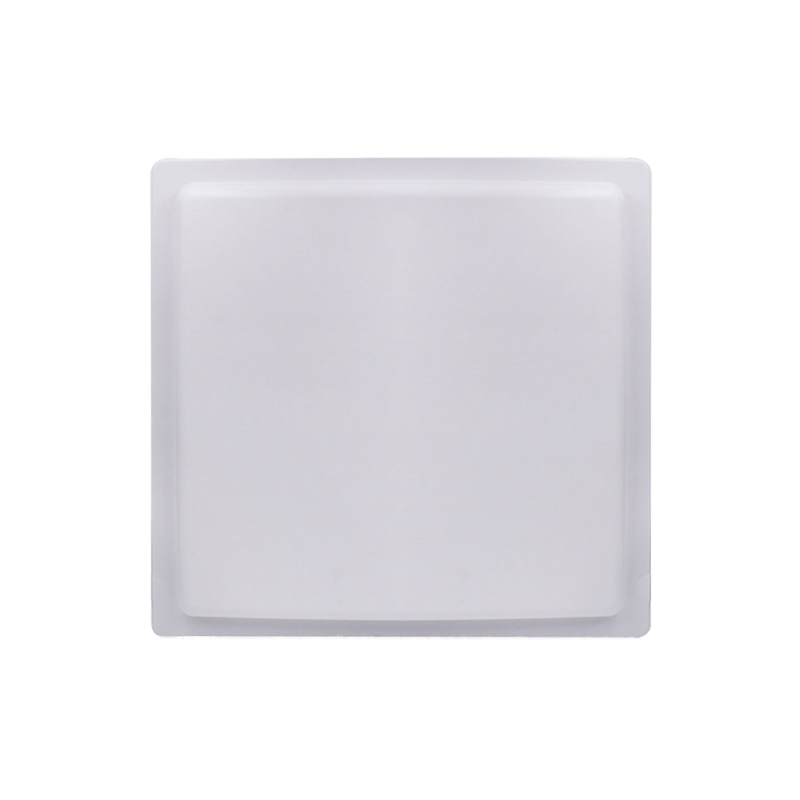
12dBi Circular Linear RFD UHF Reader Antenna
3. Channel Distribution and Anti-Diversion Control
RFID handheld scanners are used by distributors and logistics hubs at all levels to scan and verify products. The system automatically records product flow, region, and distributor information. If any cross-regional diversion occurs, an immediate alert is triggered, helping companies maintain order within their distribution channels.
4. Anti-Counterfeiting Verification at Retail Outlets
Consumers or store staff can use RFID readers or dedicated verification terminals to scan tag information at close range, compare it with the backend database, quickly verify authenticity, and view the complete transaction history.
5. Full Lifecycle Traceability
From raw material procurement, production and processing, quality inspection, warehousing, and logistics to the point of sale, information from every stage is recorded on RFID tags and uploaded to the platform. In the event of a quality issue, batches and distribution channels can be traced quickly and accurately, enabling recalls and the assignment of responsibility.
6. System Architecture and Core Components
6.1 System Architecture
The system employs an “RFID tag + reader/writer + management platform” architecture, integrating with enterprise ERP, WMS, and channel management systems to enable data interoperability and end-to-end visibility.
6.2 Core components

SEIKO Now Supports Impinj Gen2X. U.S.-based Impinj (a global leader in RAIN RFID solutions) has officially launched Gen2X. This technology is optimized based on the RAIN RFID Gen2 protocol and enhances the read speed, range, and accuracy of RFID readers. SEIKO (a leading provider of RFID identification products and solutions) specializes in delivering innovative and efficient RFID products. Its industrial RFID readers, all-in-one readers, fixed-mount readers, and handheld PDA terminals now support Gen2X, helping enterprises advance their digital transformation.