

RFID Range, the effective reading distance of a radio frequency identification system, is a core metric for evaluating the feasibility of an RFID technology application. It is not a fixed value but is influenced by a combination of factors including frequency selection, tag type, reader power, antenna design, and the specific application environment. Understanding the technical logic behind RFID Range is the first step toward successfully deploying solutions ranging from short-range warehouse management to long-range vehicle identification. Simply put, RFID Range determines how far a system can reliably “see” and identify target objects.

China RFID Clothing Tags Suppliers
1. Overview of Long-Range RFID Technology
Radio Frequency Identification (RFID) technology enables contactless data transmission via radio waves. Its core components include tags, readers, and antenna systems. Long-range RFID technology typically refers to systems where the effective communication distance between readers and tags exceeds 10 meters, potentially reaching tens of meters. This characteristic grants it significant advantages in logistics warehousing, asset tracking, intelligent transportation, and other fields.

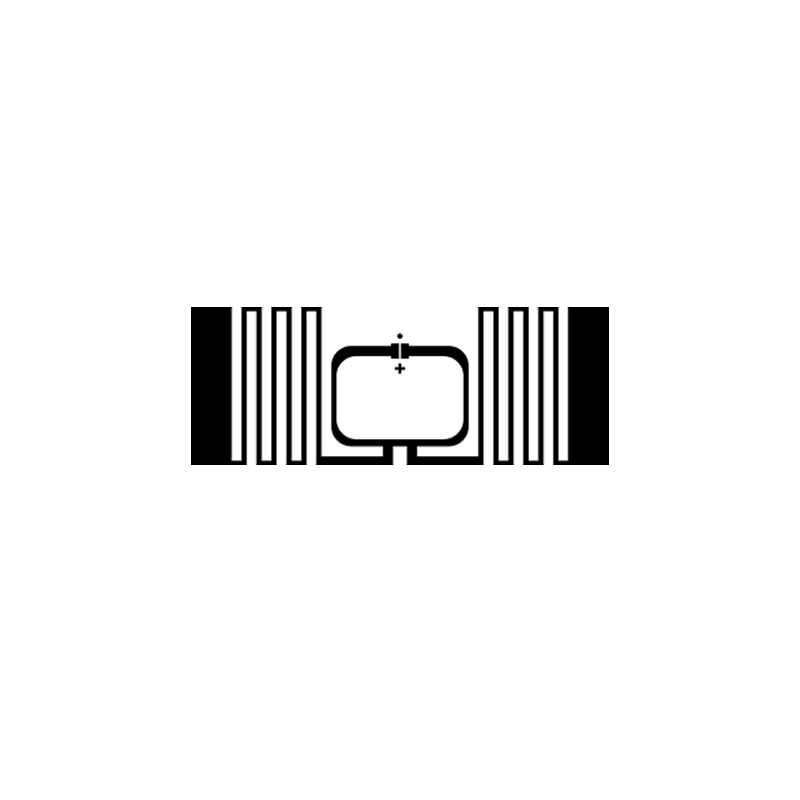
China RFID UHF UCODE 9 Label Manufactuer
1.1 Technology Classification and Frequency Band Selection
Long-range RFID systems primarily operate in the ultra-high frequency (UHF, 860-960MHz) and microwave bands (2.45GHz, 5.8GHz). The UHF band is the mainstream choice due to its strong penetration capabilities and low tag costs, while the microwave band is suitable for high-speed moving scenarios (e.g., vehicle identification). For instance, the EPC Global Class 1 Gen 2 standard (UHF) supports a maximum read range of 15 meters, while certain customized systems can exceed 30 meters through optimized antenna design.
1.2 Key Technical Metrics
Read Range: Influenced by tag sensitivity, reader transmit power, antenna gain, and environmental interference. Read Rate: Single-tag read time typically under 10ms; multi-tag anti-collision algorithms (e.g., ALOHA, Time Slot ALOHA) support hundreds of tags per second. Power Consumption: Passive tags (battery-free) rely on reader electromagnetic fields for power; active tags (battery-powered) enable longer ranges but incur higher costs.
2. Technical Challenges in Long-Range RFID
2.1 Environmental Interference and Signal Attenuation
Materials like metal and liquids absorb or reflect RF signals, causing drastic reductions in read range. For instance, in warehouses with dense metal shelving, UHF tag read range may shrink from 15 meters to 5 meters. Solutions include:
Tag Position Optimization: Affix tags to non-metallic surfaces or use anti-metal tags (e.g., foam-backed substrates). Dynamic power adjustment: Readers automatically modulate transmission power based on environmental feedback.

RFID Handheld Reader
2.2 Multi-Tag Collision and Anti-Collision
Signal conflicts cause data loss when multiple tags enter the reader’s range simultaneously. Common anti-collision algorithms include:
Time-slot ALOHA: Divides time into slots, with tags randomly selecting slots to respond. Binary tree search: Narrows collision scope through bit-by-bit ID comparison. Performance comparison:
2.3 Security and Privacy Protection
Long-range RFID is vulnerable to eavesdropping and replay attacks. Encryption techniques (such as AES-128) and dynamic ID mechanisms enhance security. For example, the Impinj Monza series tags support generating unique encrypted IDs for each communication round to prevent tracking.3. Optimization Strategies for Long-Range RFID
3.1 Antenna Design and Deployment
Directional Antennas: Focus signals on specific zones to minimize interference (e.g., logistics aisle access control). Circularly Polarized Antennas: Adapt to random tag orientations for improved read stability. Array Antennas: Extend coverage via beamforming technology (e.g., a 4-antenna array achieves 360° coverage).3.2 Reader Parameter Tuning
Sensitivity Settings: High sensitivity captures weak signals but may introduce misreads. Dynamically adjust based on actual distance (e.g., -70dBm to -85dBm). Q-Value Adjustment: In anti-collision algorithms, Q-value determines slot allocation. Excessive Q wastes slots; insufficient Q increases collisions. Recommend initial Q=4 with dynamic adjustment based on collision rate.3.3 Edge Computing and Data Preprocessing
Deploy lightweight algorithms (e.g., tag filtering, data aggregation) at the reader end to reduce backend system load. For example, implementing real-time tag deduplication via FPGA reduces data volume by 80%.4. Typical Application Scenarios
4.1 Intelligent Warehouse Management
Case Study: An e-commerce warehouse deployed a UHF RFID access control system to automate inventory counting during goods entry/exit, achieving a 300% efficiency boost. Key Design: Tags affixed to pallet bottoms to avoid interference from metal shelving. Readers deployed on both sides of aisles to create overlapping coverage zones.4.2 Vehicle Automatic Identification
Case: Highway ETC systems utilize 5.8GHz microwave RFID for identification speeds up to 120km/h. Technical Highlights: Active tags (battery-powered) support long-range activation. Collision-avoidance algorithms ensure zero missed reads during consecutive vehicle passages.4.3 Asset Tracking and Maintenance
Case: Manufacturing industries reduce maintenance costs by 25% through RFID-based equipment lifecycle tracking. Implementation Highlights:- Tags incorporate temperature sensors for condition monitoring.
- Integration with IoT platforms triggers preemptive maintenance work orders.