

With the rapid development of the Internet of things technology, RFID (Radio Frequency Identification, radio frequency identification) technology as a non-contact automatic diagnosis technology, has been widely used in various fields.RFID system mainly consists of electronic tags, antennas, read-write and background system, of which the antenna as a read-write and the electronic tag between the The antenna is the bridge between the reader and the tag, and its performance plays a vital role in the stability and reliability of the whole RFID system. This article will take you to understand the performance of RFID reader antenna and how to choose the right RFID reader antenna.

1.RFID reader antenna basic function
The main function of RFID read-write antenna is to transmit and receive RF signals. When the electronic tag enters the read-write antenna’s working range, the antenna will transmit a certain frequency of radio frequency signals, activate the electronic tag and receive its return information. This process seems simple, but actually involves complex electromagnetic wave transmission and signal processing technology.
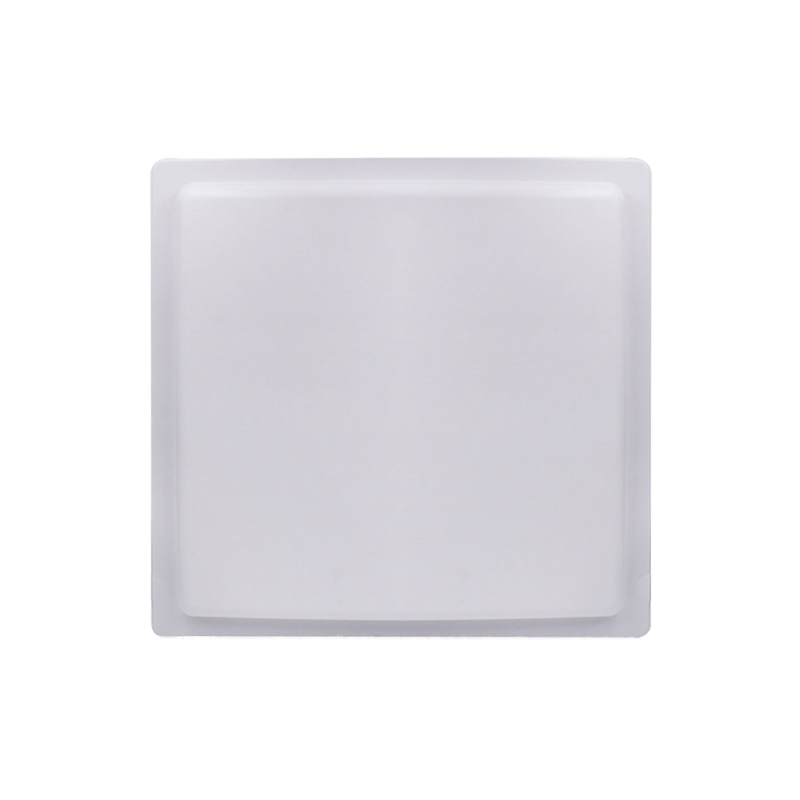
12dBi Circular Linear RFD UHF Reader Antenna
2.Key performance parameters of RFID reader antennas

2.1 Frequency
The operating frequency of RFID antenna is one of its most important parameters. Different frequencies of RFID systems are suitable for different application scenarios. Common RFID frequencies include low frequency (LF, such as 125kHz), high frequency (HF, such as 13.56MHz) and ultra-high frequency (UHF, such as 860-960MHz). The choice of frequency directly affects the antenna’s read/write distance, penetration ability and anti-jamming ability.
2.2 gain
Gain is an important indicator of antenna performance, which indicates the ability of the antenna to convert input power into radiated power. The higher the gain, the greater the range of the antenna’s emission, and the farther the reading and writing distance. Common RFID antenna gain values include 3dBi, 6dBi, 8dBi, 9dBi, 12dBi and so on.
2.3 Beamwidth
The beamwidth determines the coverage and resolution of the antenna. Generally speaking, the larger the gain of the antenna, the narrower its beamwidth, the more centralized coverage; on the contrary, the antenna with smaller gain has wider beamwidth and wider coverage.
2.4 Impedance Matching
Impedance matching is the key to ensuring antenna performance. The impedance between the antenna and the reader must be matched to minimize signal reflection and loss. In practice, impedance matching is usually achieved by adjusting the size, shape and material of the antenna.
2.5 polarization mode
polarization mode is divided into line polarization, circular polarization, etc. The polarization mode of RFID reader antenna needs to match with the polarization mode of the electronic tag to ensure the effective transmission of the signal. Line polarization antenna is suitable for application scenarios with fixed polarization direction, while circular polarization antenna is suitable for application scenarios with uncertain or changing polarization direction.
3. Performance Impact of RFID Reader Antennas

3.1 Read-write distance
antenna gain and frequency directly affect the RFID system read-write distance. The higher the gain, the farther the read-write distance; At the same time, high-frequency and ultra-high-frequency antennas usually have a farther read-write distance.
3.2 anti-interference ability
RFID system in the actual application may be affected by a variety of interference sources, such as metal objects, liquids, other electromagnetic signals. Excellent antenna design should have good anti-interference ability to ensure the stability and reliability of signal transmission.
3.3 penetration ability
In some application scenarios, such as logistics warehousing and intelligent manufacturing field, RFID system needs to penetrate the obstacles (such as carton, plastic frame, etc.) to read the electronic tag information. At this time, the antenna penetration ability becomes one of the key factors.
3.4 system stability
The stability of RFID system not only depends on the performance of the antenna, but also with the design of the reader, the quality of the electronic label and the integration of the whole system. However, the antenna as a key link in signal transmission, the stability and reliability of its performance has an important impact on the stability of the entire system.
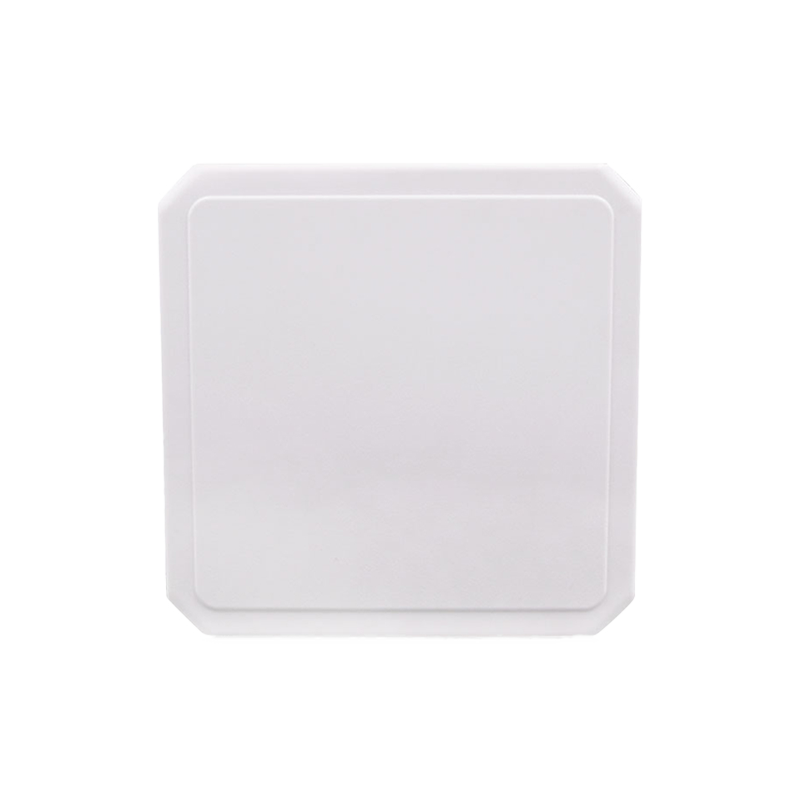
4.How to choose the right RFID reader antenna
In the RFID system, selecting the appropriate reader antenna is a key step to ensure the efficient and stable operation of the system. This process not only need to consider the performance indicators of the antenna, but also need to be combined with the specific needs of the actual application scenarios for comprehensive analysis. The following will explain in detail how to choose the right RFID reader antenna, and combined with practical application cases to explain.
4.1 Logistics Warehouse Management
In logistics warehouse management, RFID system is used to realize the rapid entry, exit and inventory of goods. Due to the warehouse area, high stacking of goods, and the existence of multi-layer packaging and metal shelves and other obstacles, so the selection of antennas need to consider its long-distance reading and writing ability and anti-interference ability.
Selection strategy: chooses the ultra-high frequency (UHF) antenna, has the higher gain and the longer read-write distance; At the same time, selects has the good anti-interference ability antenna design, may the stable recognition multilayer packing and does not suffer the metal shelf interference accurately reads the electronic label information.
4.2 Manufacturing production line tracking

In the manufacturing industry, RFID technology is used for material tracking and process management on the production line. Due to the production line of materials and workpieces in high-speed mobile state, and may pass through a number of processes and sites, so the RFID reader antenna is required to have high-speed mobile identification capabilities and long-distance reading and writing capabilities.
Selection strategy: Manufacturing industry will choose UHF antenna, and combined with directional antenna design to improve the identification accuracy and read/write distance. At the same time, considering the complexity and variability of the production line environment (e.g., metal equipment, electromagnetic interference, etc.), will choose antenna products with excellent anti-jamming ability and stability performance.
4.3 Library Book Management
In libraries, RFID technology is used for book checkout, return and inventory management. In order to realize the rapid identification and tracking of books, libraries will install RFID reader antennas at the lending desk, book return box and bookshelves.
Selection strategy: Libraries will choose HF or UHF antennas because these two frequencies have better penetration and anti-interference capabilities in library management scenarios. At the same time, considering the special characteristics of the library environment (such as dense books, limited space, etc.), it will choose antenna products that are miniaturized, easy to install and able to cover multiple bookshelf areas.
RFID reader antenna as an important part of RFID system, its performance directly affects the stability and reliability of the whole system. By understanding the key performance parameters and factors affecting the antenna, we can better choose the right antenna products to meet the needs of different application scenarios. With the continuous development of the Internet of Things technology, RFID technology will be applied in more fields to expand, for our life and work to bring more convenience and benefits.