

For commercial laundries, hotels, hospitals, workwear suppliers, and textile rental operators, an rfid tag for clothes is no longer just a small label sewn into a garment. It is a durable digital identity that can follow each shirt, uniform, towel, sheet, or protective garment through collection, washing, drying, sorting, packing, delivery, repair, and retirement. As laundry operations become more automated and customers expect clearer service data, Laundry RFID Tags are becoming a practical tool for controlling textile assets at scale.
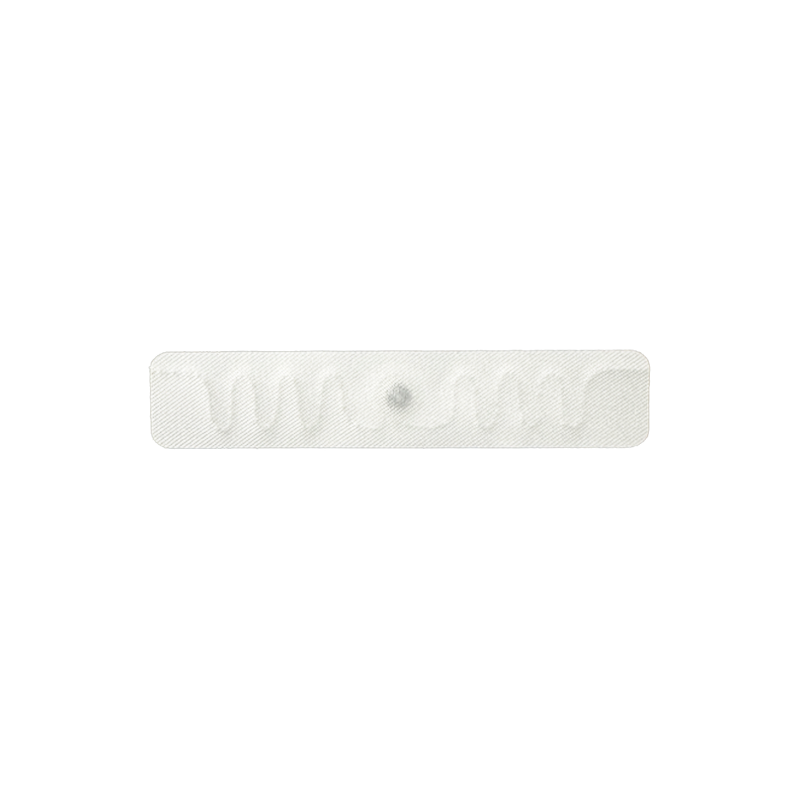
Textile RFID Laundry Tag
The challenge is familiar across the laundry industry. Textile items are handled in large volumes, often under time pressure, and many pieces look almost identical. Manual counting is slow. Barcode labels can be damaged, hidden, or difficult to scan one by one. Paper records are easy to separate from the actual garment. RFID solves a different problem: it gives every textile item a unique, machine-readable identity that can be captured in bulk without direct line-of-sight.
What Are Laundry RFID Tags?
Laundry RFID Tags are radio-frequency identification tags built specifically for textile washing environments. A tag usually contains a microchip and antenna sealed inside a protective material. Depending on the application, the tag may be sewn into a hem, inserted into a pouch, heat-sealed onto fabric, attached to a label, or integrated into a textile tag format. The RFID reader sends radio energy to the passive tag, and the tag returns its unique number.
That number is linked to business data in software. It can represent garment type, customer account, department, size, issue date, wash count, repair status, delivery route, or replacement history. The tag itself does not need to store every detail. In many B2B systems, the most reliable design is to store a clean unique identity on the RFID tag and keep the detailed operational record in a laundry management platform, ERP, or asset tracking system.
The difference between a standard apparel label and a laundry RFID tag is durability. Laundry tags must survive water, detergent, mechanical friction, heat, pressure, drying, ironing, and repeated handling. A label that works in a retail stockroom may fail quickly in an industrial wash process. For laundry operators, tag construction is as important as chip selection.
Why Clothes Need RFID in Commercial Laundry
Commercial laundry is not simply a cleaning service. It is a logistics operation built around textile movement. Items arrive from customers, are sorted by type or contamination level, pass through washing and finishing, and return to the correct customer, route, room, locker, ward, production line, or employee. Every missed item creates extra labor, customer complaints, replacement cost, or billing disputes.
An RFID tag for clothes helps make those movements visible. When dirty items are received, the system can record which garments entered the plant. During sorting, RFID can help identify customer groups or garment categories. After washing, RFID readers can confirm whether all items are present before packing. At dispatch, RFID can match a shipment against the customer order. Over time, the data can show how many times a garment has been washed, how often it is lost, and when it should be repaired or replaced.
This matters especially in industries where textile control affects safety, cost, or compliance. Healthcare laundries need accurate linen and uniform circulation. Food processing plants need clean workwear programs. Hotels need stable linen availability. Industrial workwear suppliers need proof of issue and return. Fire-resistant clothing, cleanroom garments, and protective uniforms may require lifecycle evidence. RFID gives each item a record that manual processes cannot easily maintain.
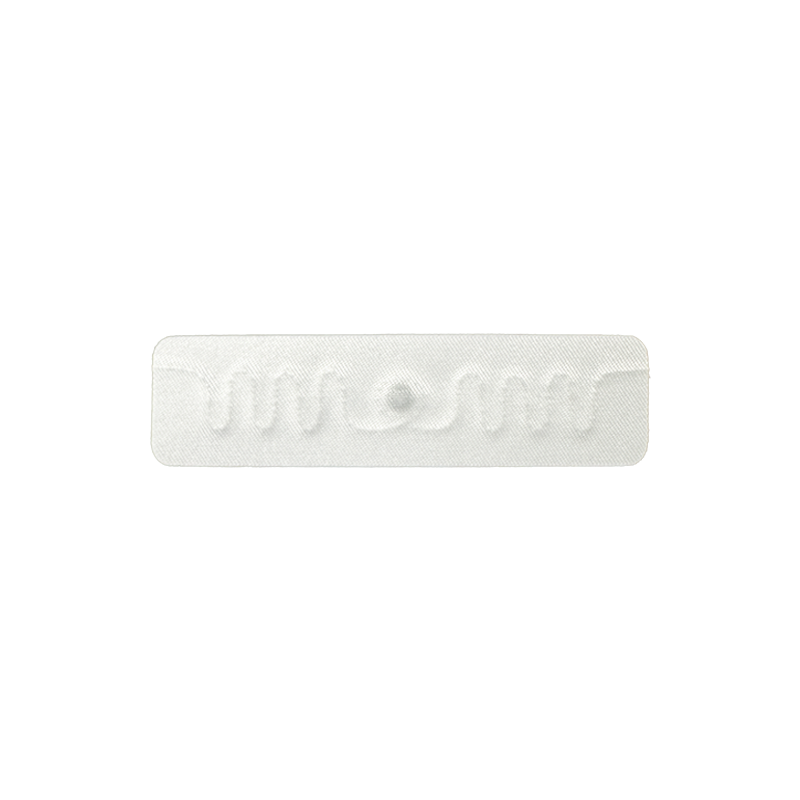
Laundry RFID tracking
How Laundry RFID Tags Work in a Daily Workflow
A typical RFID laundry workflow begins when a tag is encoded and associated with an item. The operator may assign the tag to a garment during production, at the laundry plant, or during customer onboarding. Once the item is registered, the tag can be read at receiving points, sorting tables, conveyor checkpoints, tunnel readers, handheld scans, packing stations, and dispatch areas.
At receiving, bulk reading can show what has returned from a customer. This helps identify missing garments before the washing cycle begins. At sorting, a reader can separate items by customer, service level, textile type, or process route. At washing and finishing, the system can update item status. At packing, RFID can confirm that the right garments are being sent to the right customer. For uniforms, a reader can also support wearer assignment, locker distribution, or return control.
The value is not only faster reading. It is better exception management. If a garment is missing, overused, assigned to the wrong customer, or sent to the wrong route, RFID data can show the issue earlier. Instead of discovering a shortage after delivery, the laundry can identify the problem during receiving or packing and correct it before it affects the customer.
UHF, HF, and Tag Format Considerations
Most high-volume laundry and uniform tracking systems use UHF RFID because it supports longer read distances and bulk reading. UHF tags can be read through bags, stacks, bins, or conveyor loads when the system is designed correctly. HF or NFC may be useful for short-range applications, service verification, or user interaction, but UHF is usually the practical choice for plant-level productivity.
Format selection depends on the textile and process. Sew-in tags are common for garments and linens where the tag needs to remain with the item over many cycles. Heat-seal RFID tags can reduce sewing labor and provide a clean attachment method when the fabric and finishing process are compatible. Encapsulated silicone or PPS-style tags may be used in more demanding environments, depending on heat, pressure, and chemical exposure. The right tag should be chosen after testing the real wash program, not only after reading a data sheet.
For example, a hotel towel program may require a different tag format from an industrial uniform program. A healthcare gown may need a different attachment position from a flat sheet. A heat-sealed tag on thin fabric may perform differently from a sewn label on heavy workwear. Tag location, fabric thickness, folding pattern, and the presence of wet textiles can all affect read performance.
Business Benefits for B2B Laundry Operators
The first benefit is inventory visibility. Without RFID, many laundries know approximate stock levels but struggle to prove where individual items are. RFID creates a more accurate view of what is in use, in transit, at the plant, at the customer site, or missing. This helps reduce over-purchasing and improves planning for replacement stock.
The second benefit is labor efficiency. Counting garments manually is repetitive and error-prone. RFID can identify many items quickly, allowing staff to focus on exceptions, quality control, finishing, and customer service. In high-volume plants, even small time savings per batch can create meaningful productivity gains.
The third benefit is loss reduction. When garments are tracked at key checkpoints, it becomes easier to see whether losses occur at customer return, plant sorting, route delivery, wearer exchange, or internal handling. This evidence can support better customer conversations and reduce disputes about missing items.
The fourth benefit is lifecycle management. Laundry RFID Tags can record wash count and service history. When an item reaches its expected service limit, the system can flag it for inspection or replacement. This is useful for textiles where appearance, hygiene, protection, or compliance matters. It also helps purchasing teams make decisions based on real use data instead of guesswork.
The fifth benefit is billing accuracy. For textile rental and uniform service companies, item-level RFID data can support billing by quantity, usage, return, loss, or service event. This does not replace commercial agreements, but it gives both provider and customer better operational evidence.
How to Choose an RFID Tag for Clothes Used in Laundry
Buyers should start with the textile environment. What temperatures will the tag face? How many wash cycles are expected? Will the item be dried, pressed, tunnel finished, sterilized, or exposed to chemicals? Will the tag be bent, folded, rubbed, or compressed? These questions define the durability requirement before the buyer compares price.
Next, evaluate read performance. The tag should be tested in the exact position where it will be attached. It should be read inside bags, bins, carts, stacks, and conveyor flows that match the real operation. A single tag on a table is not enough. B2B buyers should ask for pilot testing with real textiles and target read rates for each checkpoint.
Attachment is equally important. A tag may be technically durable but fail because it is attached poorly. Sewing must protect the antenna area. Heat sealing must use the correct temperature, pressure, dwell time, and fabric compatibility. The location should not irritate the wearer or damage the garment. For uniforms and workwear, tag placement should also avoid heavy abrasion areas.
For teams comparing options, the Textile RFID Laundry Tag product page is a relevant internal reference because it focuses on RFID identification for washable textile and clothing applications.
Implementation Roadmap for Laundry RFID Tags
A strong implementation begins with one measurable workflow. Common starting points include receiving verification, customer sorting, uniform tracking, linen inventory, packing accuracy, or wash cycle counting. The goal should be specific enough to measure before and after performance. A project that starts too broadly can become difficult to control.
The second step is data mapping. Each RFID number should connect to item type, customer, location, and lifecycle status. If the laundry serves multiple customers, data rules should prevent cross-customer confusion. If uniforms are assigned to employees, privacy and access control should be considered. If the system supports billing, the data structure must match the commercial model.
The third step is reader placement. Receiving portals, sorting tables, conveyor antennas, handheld devices, and dispatch readers all serve different purposes. Reader power, antenna angle, shielding, and software filtering should be tuned to the read zone. A reader should capture the intended batch without accidentally reading nearby textiles outside the process step.
The fourth step is exception handling. Operators need to know what to do when a tag is not read, a duplicate read appears, an item is assigned to the wrong customer, or a garment reaches its wash limit. The most successful RFID projects do not hide exceptions. They make exceptions visible and easy to resolve.
The fifth step is scaling. After the pilot proves read reliability and business value, the laundry can expand to more customers, more textile categories, more read points, or more automated reporting. Scaling should include tag quality control, staff training, maintenance routines, and periodic data audits.
Common Mistakes to Avoid
One mistake is assuming that every RFID tag can survive laundry conditions. Standard labels may not handle wash chemistry, heat, or mechanical stress. Another mistake is choosing tag placement only for convenience. The placement must support both comfort and reliable reading. A third mistake is installing readers without defining how the data will update operational decisions.
It is also risky to judge the project only by tag cost. A slightly cheaper tag can become expensive if it fails early, reads poorly, or creates rework. The real cost includes tag life, attachment labor, read accuracy, software integration, process speed, and lost-item reduction. For B2B buyers, total lifecycle performance matters more than unit price alone.
Why Laundry RFID Tags Are Moving From Pilot to Standard Practice
Laundry RFID Tags are gaining adoption because they solve a practical visibility problem. Textile operations handle thousands or millions of similar items, and customers want clearer accountability. RFID makes it possible to identify garments quickly and repeatedly through the entire service cycle. It supports faster processing, fewer manual counts, better replacement planning, and stronger customer reporting.
As labor pressure, service expectations, and textile costs rise, the business case for item-level identification becomes stronger. An RFID tag for clothes gives each item a durable identity, but the real value comes when that identity is connected to disciplined workflows and useful data. For laundries ready to improve control, RFID is becoming a practical foundation for smarter textile management.
FAQ
What is an RFID tag for clothes in laundry use?
It is a washable RFID tag attached to a garment or textile item so the laundry can identify it automatically during receiving, washing, sorting, packing, delivery, and lifecycle tracking.
Can Laundry RFID Tags survive industrial washing?
Yes, when the tag is designed for laundry use. Buyers should verify wash temperature, drying conditions, chemical exposure, ironing pressure, expected cycle life, and attachment method before deployment.
Where should RFID tags be placed on clothes?
Common positions include hems, care labels, waistbands, collars, or hidden seam areas. The best location depends on comfort, durability, textile type, folding pattern, and read performance in real laundry handling.
Do laundries need UHF RFID?
Most high-volume laundry tracking projects use UHF RFID because it supports bulk reading and longer read ranges. HF or NFC may be useful for short-range tasks, but UHF is common for plant operations.
What should B2B buyers test before ordering RFID laundry tags?
They should test tag durability, read accuracy, attachment strength, comfort, software integration, and performance in real bags, bins, carts, conveyors, and wash cycles before full rollout.
Today, SEIKO RFID TECHNOLOGY LTD. has successfully deployed RFID products and solutions across a wide range of industries, helping businesses accelerate digital transformation, automation, and intelligent asset management. Our RFID labels, RFID laundry tags, RFID on-metal tags, industrial RFID transponders, and RFID reader systems are widely used in manufacturing, logistics, warehousing, retail, healthcare, energy, automotive, and Industrial IoT applications.
As industries continue to embrace smart manufacturing and connected operations, RFID technology is becoming a critical foundation for digital transformation. SEIKO RFID TECHNOLOGY LTD. remains committed to advancing RFID innovation, expanding manufacturing capabilities, and developing industry-specific solutions that address evolving business challenges. By combining high-performance RFID tags, intelligent reader systems, and extensive application expertise, we help organizations build smarter factories, more efficient supply chains, and data-driven operations. Together with our global customers and partners, SEIKO RFID TECHNOLOGY LTD. will continue shaping the future of intelligent identification and creating greater value through RFID technology worldwide.