

As RFID technology continues to transform supply chains, manufacturing, healthcare, retail, and asset management, businesses often face a critical question: RFID tags active vs passive—which type is right for my application?
Both active and passive RFID tags serve the same basic purpose: identifying and tracking objects using radio frequency signals. However, they differ significantly in power source, reading range, cost, lifespan, and use cases.
Understanding the differences between active and passive RFID systems can help businesses make better investment decisions, improve operational efficiency, and maximize ROI. In this guide, we’ll explore the 5 key differences between RFID tags active vs passive and provide practical guidance on choosing the right solution for your business.
1.What Are RFID Tags?
RFID (Radio Frequency Identification) tags are electronic devices used to store and transmit data wirelessly through radio waves.
A typical RFID system consists of:
- RFID Tags
- RFID Readers
- RFID Antennas
- RFID Management Software
When an RFID reader emits radio signals, RFID tags respond by transmitting stored information such as:
- Product IDs
- Serial numbers
- Asset information
- Location data
- Inventory records
RFID technology eliminates the need for direct line-of-sight scanning, making it much more efficient than traditional barcode systems.

2.What Are Active RFID Tags?
Active RFID tags contain an internal battery that continuously powers the tag and its transmitter.
Because they generate their own signal, active RFID tags can communicate over long distances and provide real-time location tracking.
Features of Active RFID Tags
- Built-in battery
- Long read range
- Strong signal transmission
- Real-time tracking capability
- Larger physical size
- Higher cost
Common Applications
- Vehicle tracking
- Container monitoring
- Mining operations
- Construction equipment management
- Hospital asset tracking
- Real-Time Location Systems (RTLS)
3.What Are Passive RFID Tags?
Passive RFID tags do not have an internal power source.
Instead, they receive energy from the electromagnetic field generated by the RFID reader. Once energized, they transmit stored data back to the reader.
Passive RFID technology is the most widely used RFID solution worldwide due to its affordability and scalability.
Features of Passive RFID Tags
- No battery required
- Lower cost
- Small size
- Long lifespan
- Suitable for large-scale deployments
- Minimal maintenance
Common Applications
- Inventory management
- Retail tracking
- Warehouse operations
- Supply chain visibility
- Access control systems
- Library management
4.RFID Tags Active vs Passive: 5 Key Differences
4.1 Power Source
The biggest difference between RFID tags active vs passive is the power supply.
Active RFID Tags
Active tags contain an onboard battery that powers the chip and transmitter.
Benefits include:
- Continuous operation
- Stronger signal strength
- Longer communication range
Passive RFID Tags
Passive tags rely entirely on the reader’s signal for energy.
Benefits include:
- No battery replacement
- Lower maintenance
- Longer operational life
Winner
Passive RFID tags for simplicity and maintenance.
4.2 Read Range
Read distance is often the deciding factor when comparing RFID tags active vs passive.
Active RFID Range
Typically:
- 100 meters to 500 meters
- Some systems exceed 1 kilometer
Ideal for:
- Yard management
- Fleet tracking
- Container monitoring
Passive RFID Range
Typically:
- HF RFID: up to 1 meter
- UHF RFID: 3 to 15 meters
- Specialized systems: up to 30 meters
Ideal for:
- Inventory counting
- Asset identification
- Retail applications
Winner
Active RFID tags for long-range tracking.
4.3 Cost
Budget is another major consideration when evaluating RFID tags active vs passive.
Active RFID Costs
Typically:
- $10–$100+ per tag
- Additional maintenance costs
- Battery replacement expenses
Passive RFID Costs
Typically:
- $0.05–$2 per tag
- Minimal maintenance
- No battery costs
For organizations tagging thousands or millions of items, passive RFID offers substantial savings.
Winner
Passive RFID tags for cost efficiency.
4.4 Lifespan
Tag longevity directly impacts the total cost of ownership.
Active RFID Lifespan
Battery life typically ranges from:
- 3 to 10 years
After battery depletion, tags may require replacement.
Passive RFID Lifespan
Without a battery, passive tags can last:
- 10 to 20 years or longer
Many passive RFID tags outlast the products they are attached to.
Winner
Passive RFID tags for long-term durability.
4.5 Data Capabilities and Tracking Performance
When discussing RFID tags active vs passive, functionality matters just as much as cost.
Active RFID Advantages
Active tags can:
- Continuously broadcast signals
- Support real-time location tracking
- Store larger amounts of data
- Monitor environmental conditions
Some active tags include sensors for:
- Temperature
- Humidity
- Motion
- Shock detection
Passive RFID Advantages
Passive tags excel at:
- Fast inventory scanning
- Product identification
- Bulk item tracking
- Supply chain automation
Winner
Active RFID for advanced tracking and monitoring.
5.Active RFID vs Passive RFID Comparison Table
| Feature | Active RFID | Passive RFID |
| Power Source | Internal Battery | Reader Powered |
| Read Range | 100–500+ m | 1–15 m |
| Tag Cost | High | Low |
| Lifespan | 3–10 Years | 10–20+ Years |
| Maintenance | Battery Replacement | Minimal |
| Size | Larger | Smaller |
| Real-Time Tracking | Yes | Limited |
| Inventory Tracking | Good | Excellent |
| Large-Scale Deployment | Expensive | Cost-Effective |
6.How to Choose Between RFID Tags Active vs Passive
Choose Active RFID If You Need:
Real-Time Location Tracking
Examples include:
- Vehicle fleets
- Shipping containers
- High-value equipment
Long-Distance Monitoring
Suitable for:
- Ports
- Mining sites
- Airports
- Large industrial facilities
Environmental Monitoring
Active RFID tags with sensors can monitor:
- Cold chain shipments
- Pharmaceutical products
- Sensitive electronics
7.Choose Passive RFID If You Need
Inventory Management
Perfect for:
- Warehouses
- Distribution centers
- Retail stores
Supply Chain Visibility
Passive RFID enables automated tracking throughout:
- Manufacturing
- Logistics
- Shipping
- Receiving
Cost-Effective Scalability
Ideal for organizations tagging:
- Thousands of products
- Millions of inventory items
8.Industries Using Active and Passive RFID
Active RFID Industries
- Oil & Gas
- Aerospace
- Mining
- Transportation
- Healthcare Equipment Tracking
- Government & Defense
Passive RFID Industries
- Retail
- Apparel
- Warehousing
- Manufacturing
- Libraries
- Logistics
- Pharmaceutical Distribution
Many organizations actually deploy both technologies simultaneously to maximize efficiency.
9.Future Trends in RFID Technology
The gap between RFID tags active vs passive continues to narrow as technology advances.
Emerging developments include:
- Battery-assisted passive RFID (BAP)
- IoT-integrated RFID systems
- Smart sensor-enabled RFID tags
- Cloud-based RFID analytics
- AI-powered asset tracking
Businesses increasingly use hybrid RFID solutions that combine the affordability of passive tags with the advanced capabilities of active tracking systems.
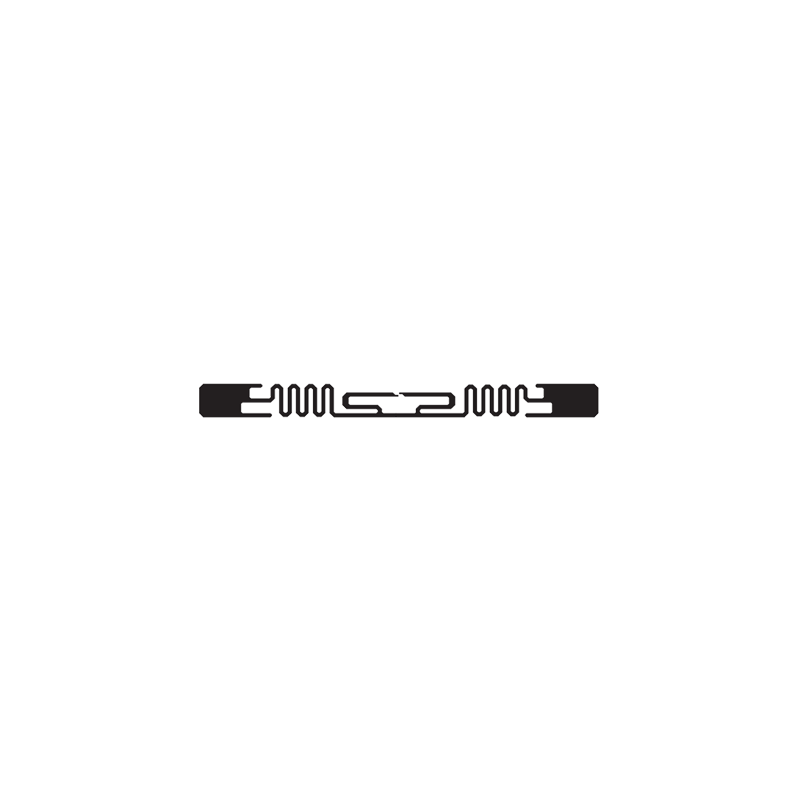
Advanced UHF Solution for RFID Asset Management ALN-9640 Label
10.Conclusion
When evaluating RFID tags active vs passive, there is no universal winner. The right choice depends on your operational requirements, budget, tracking distance, and scalability needs.
Choose active RFID if your business requires long-range communication, real-time location tracking, or environmental monitoring. Choose passive RFID if your priority is affordable, scalable inventory and asset management.
For most supply chain, retail, and warehouse applications, passive RFID provides the best balance of performance and cost. However, organizations managing high-value assets across large facilities often benefit from active RFID systems.
By understanding these five key differences, businesses can confidently select the RFID technology that delivers the greatest operational value.
11.FAQ
What is the main difference between RFID tags active vs passive?
The primary difference is power source. Active RFID tags contain an internal battery, while passive RFID tags rely on energy transmitted by RFID readers.
Are active RFID tags more accurate than passive RFID tags?
Active RFID tags can provide more accurate real-time location tracking over long distances. Passive RFID tags are highly accurate for identification and inventory management applications.
Why are passive RFID tags cheaper?
Passive RFID tags do not require batteries or transmitters, making them simpler and less expensive to manufacture.
Can passive RFID tags be tracked in real time?
Passive RFID tags can provide location updates when they pass through reader zones, but they generally do not support continuous real-time tracking like active RFID systems.
Which RFID tag is best for warehouse inventory management?
Passive UHF RFID tags are typically the best choice for warehouse inventory management because they offer low cost, fast bulk scanning, and excellent scalability.
Can a company use both active and passive RFID systems?
Yes. Many enterprises use passive RFID for inventory tracking and active RFID for tracking high-value assets, vehicles, or equipment across large facilities.