

RFID tags for inventory are fundamental components that significantly enhance RFID warehouse access management. This technology plays a pivotal role in overall warehouse asset management by enabling efficient, accurate, and intelligent inventory control. By utilizing RFID tags, the system facilitates the automatic and rapid collection of goods information, eliminating the need for manual recording and traditional barcode scanning. This not only drastically reduces the operation time for goods entry and exit but also substantially improves overall warehouse operational efficiency and accuracy.
Attach or install RFID tags to each item or container. These tags contain unique identifiers that store detailed information about the goods, such as name, specifications, model, batch, production date, shelf life, etc. The tags should be waterproof, dustproof, temperature-resistant, and have other characteristics to adapt to different storage environments in the warehouse. Install multiple RFID readers at the entrance, exit, and key locations inside the warehouse (such as shelves, sorting areas, etc.). The readers at the entrance and exit are used to read the tag information when goods enter and exit the warehouse, while the internal readers can be used to monitor the real-time movement of goods within the warehouse. The readers communicate with RFID tags through radio frequency signals to quickly and accurately collect tag data. The middleware is responsible for connecting the RFID readers to the back-end management system, filtering, organizing, and converting the large amount of raw data collected by the readers into meaningful information, and transmitting this information to the back-end management system. The middleware can effectively reduce data transmission volume, improve system processing efficiency and stability.


Passive RFID Tag Reader for Inventory Tracking
The RFID warehouse access management system facilitates functions such as goods information management, inventory management, inbound and outbound records, report generation, and permission management. Management personnel can log into the back-end management system through terminal devices such as computers, tablets, or mobile phones to perform various operations and make management decisions. Before goods enter the warehouse, staff members attach RFID tags to them and enter relevant information about the goods onto the tags. When the goods are transported to the entrance of the warehouse, the RFID reader at the entrance automatically scans the goods tags, retrieves the goods information, and transmits it to the back-end management system. The system verifies whether the goods information matches the purchase order. If it does, it records the goods’ inbound time, batch, and other information and assigns a storage location; if it does not, the system issues an alert to prompt staff members to conduct manual verification and processing.
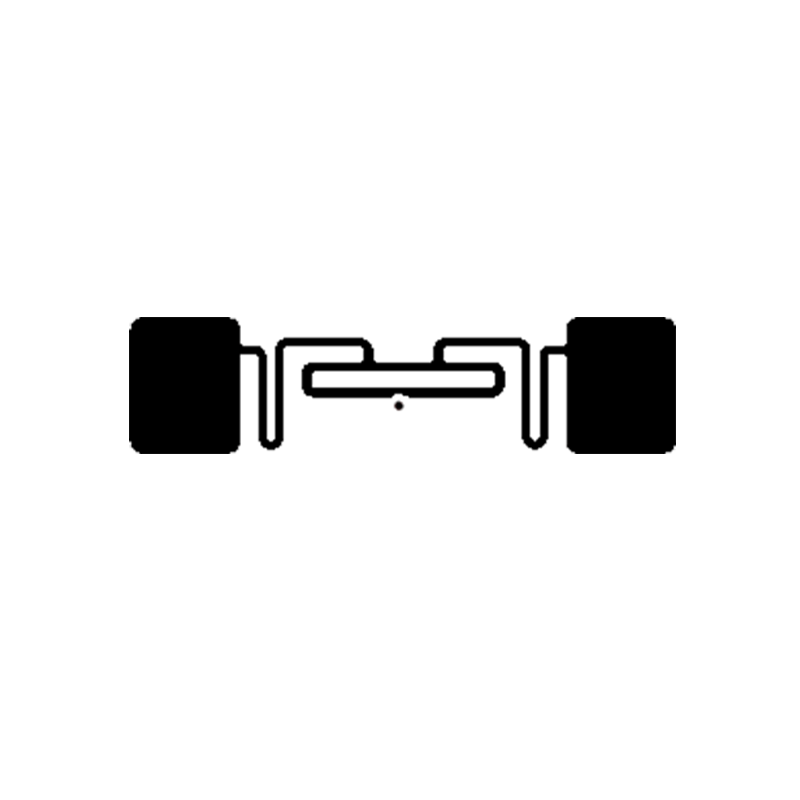
ALN-9962 Short Higgs 9 Clear Wet Inlay
When conducting regular or irregular inventory checks, staff members do not need to count the goods individually. They simply need to use a handheld RFID reader to quickly scan within the warehouse, and the system can automatically tally the quantity of goods and compare it with the inventory data recorded by the system. If there are discrepancies, the system generates an inventory discrepancy report, which facilitates staff members in identifying the reasons and making adjustments. When an outbound order is received, the back-end management system generates an outbound task based on the order information and assigns the task to the corresponding staff member.
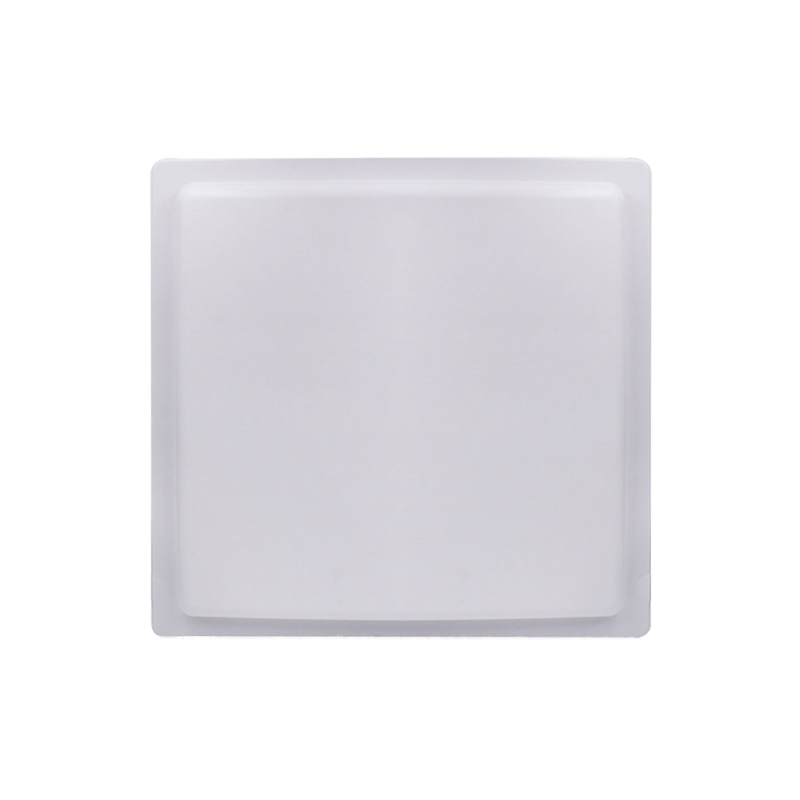
12dBi Circular Linear RFD UHF Reader Antenna
Based on system prompts, staff members proceed to the designated shelves to pick up goods. During the picking process, the RFID reader on the shelf automatically verifies whether the goods are correct. If the pick is incorrect, the system issues a prompt. After the goods are picked, the staff members transport them to the exit of the warehouse. The RFID reader at the exit scans the goods label again. After confirming that the goods information matches the outbound order, it records the outbound time of the goods and updates the inventory data. The system simultaneously feeds back the outbound information to relevant departments, such as the sales department and logistics department.
RFID technology enables automatic and rapid collection of goods information, eliminating the need for manual recording and barcode scanning, significantly reducing the operation time for goods entry and exit from the warehouse, and enhancing warehouse operation efficiency. Simultaneously, real-time monitoring and rapid inventory checking functions also reduce the time cost of inventory management. It avoids errors that may arise from manual operations, such as data entry errors and inventory counting errors. RFID technology allows for real-time viewing of information such as the distribution of goods, inventory quantity, and entry and exit records within the warehouse, enabling visual management of the warehouse. This helps to promptly identify issues such as inventory backlog and stockouts, and take corresponding measures for adjustment.