

RFID tags for laundry is a product that uses wireless radio frequency identification technology, mainly used for tracking and management of textiles. These types of tags are usually composed of chips and antennas, packaged in durable materials that can withstand repeated washing, drying, and ironing processes. Its working principle is to achieve non-contact reading and writing of data through radio waves, without direct line of sight contact, and can complete recognition work. This characteristic enables its application in the laundry industry, helping to improve work efficiency and accuracy in item management.
In practical applications, RFID laundry tags can record basic information of clothing, such as affiliation, category, usage records, etc. Through dedicated read-write devices, operators can quickly read label information in batches, reducing the time and errors of manual counting. The reusability of labels also reduces the cost of long-term use.
The following introduces the relevant content of RFID laundry tags from several aspects.
1.The basic components of RFID laundry tags
RFID laundry tags are mainly composed of three parts: chips, antennas, and packaging materials. Chips are used to store data, antennas are used to receive and transmit signals, and packaging materials protect internal components from external environmental influences. Common packaging forms include flexible labels, hard labels, and implantable labels, etc. Choose the appropriate type according to the needs of different application scenarios. Labels need to have high temperature resistance, acid and alkali resistance, and mechanical impact resistance to adapt to the environment of industrial laundry.
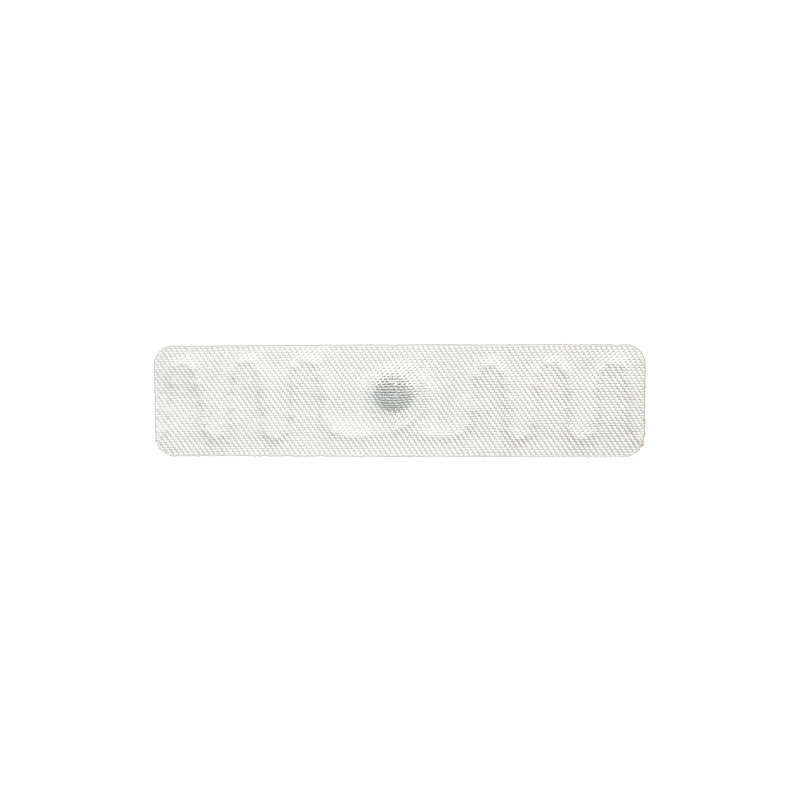
Custom RFID laundry tags
2.The working principle of RFID laundry tags
RFID laundry tags obtain energy through radio waves emitted by readers and return stored information. The reader/writer can simultaneously read multiple tags to achieve batch processing. The working frequency is usually in the high frequency or ultra-high frequency range, and the reading distance varies from a few centimeters to several meters, depending on the design of the tag and environmental conditions. This non-contact recognition method reduces manual intervention and improves the efficiency of data collection.
3.Application scenarios of RFID laundry tags
RFID laundry tags are widely used in places such as hotels, hospitals, and laundry factories that require a large amount of textile processing. In hotels, it is used to manage the circulation and counting of linens; In hospitals, it is used to track the washing frequency and usage status of medical clothing and bedding; Used in laundry factories to optimize washing processes and inventory management. Through automated identification, the situation of lost and confused items has been reduced.
4.The advantages of RFID laundry tags
Using RFID laundry tags can improve work efficiency and reduce labor costs. The batch reading function shortens the counting time and reduces the error rate. The durability of the label ensures long-term reliability. The traceability of data helps users understand the historical records of items, supporting better decision-making and management.
5.Considerations for Choosing RFID Laundry Tags
When choosing RFID laundry tags, factors such as usage environment, reading distance, tag size, and attachment method need to be considered. Different application scenarios may have different requirements for the performance of tags. For example, high-temperature and high-pressure washing environments require labels to have higher tolerance. The installation method of the label also needs to be selected according to the type of textile to ensure that it does not affect usage and aesthetics.
6.Maintenance and lifespan of RFID laundry tags
The lifespan of RFID laundry tags depends on usage conditions and tag quality. Regularly checking the reading status of tags and promptly replacing damaged tags can ensure the normal operation of the system. Avoid using highly corrosive chemicals or sharp objects that come into direct contact with the label to extend its lifespan. Normal maintenance operations include cleaning read/write devices and checking the attachment status of labels.
7.The development trend of RFID laundry tags
With the continuous development of IoT technology, the application scope of RFID laundry tags may further expand. Technological advancements may lead to smaller label sizes, longer reading distances, and lower cost products. In the future, we may see more tags integrated with other sensors, providing richer data support. The standardization of industry standards also helps promote the popularization and application of technology.
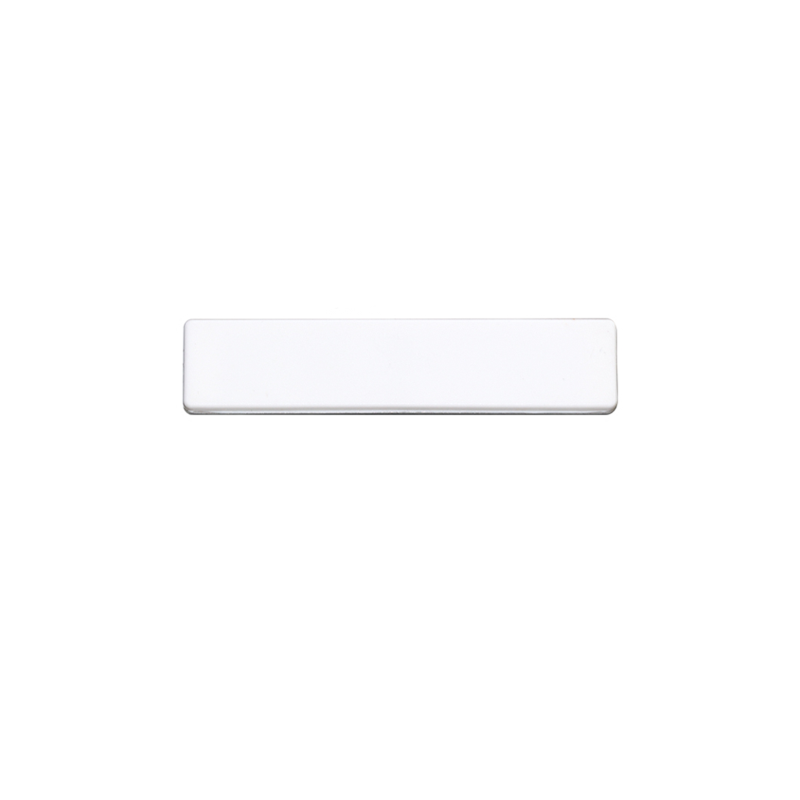
RFID Silicone Laundry Tag
8.Practical Case of RFID Laundry Tags
In practical applications, many enterprises have improved operational efficiency by using RFID laundry tags. For example, some hotel groups have reduced the loss rate of linens and improved inventory turnover speed by introducing RFID management systems. The laundry factory has optimized its workflow and reduced operating costs through automated data collection. These cases demonstrate the practical value of RFID technology in the laundry industry.

9.Common problems with RFID laundry tags
When using RFID laundry tags, there may be issues such as reading failures, tag damage, or data errors. These issues can usually be resolved by checking device settings, replacing labels, or adjusting installation methods. Choosing reliable labels and professional suppliers can help reduce the occurrence of such problems. Regular training of operators can also improve the effectiveness of system usage.

Laundry RFID Tags
10.Summary of RFID laundry tags

UHF Handheld Reader
RFID laundry tags are a practical technological product that can help users improve the efficiency and accuracy of textile management. By automatically identifying and collecting data, the need for manual operation has been reduced, and the error rate has been lowered. Choosing appropriate labels and systems, combined with good maintenance practices, can fully leverage their advantages. With the advancement of technology, there may be more innovations and applications in the future.