

In today’s healthcare industry, efficiency, safety, and accurate data management are more important than ever. Hospitals and medical facilities handle thousands of patients, medications, medical devices, and staff activities every day. To improve operational efficiency and reduce human error, many healthcare providers are adopting RFID technology.
RFID tags in healthcare are transforming the way hospitals manage assets, track patients, monitor medical supplies, and improve patient care. By enabling real-time identification and automatic data collection, RFID systems help healthcare facilities operate smarter, safer, and faster.
1.What Is RFID Technology?
RFID (Radio Frequency Identification) is a wireless technology that uses radio waves to identify and track objects automatically. A standard RFID system consists of three main components:
- RFID Tags
- RFID Readers
- Data Management Software
RFID tags contain electronic chips and antennas that store and transmit data to RFID readers without direct contact or line-of-sight scanning.
Compared with traditional barcode systems, RFID technology offers several advantages:
- Faster data collection
- Bulk scanning capability
- Real-time tracking
- Improved accuracy
- Reduced manual labor
These benefits make RFID tags especially valuable in healthcare environments where speed and precision are critical.
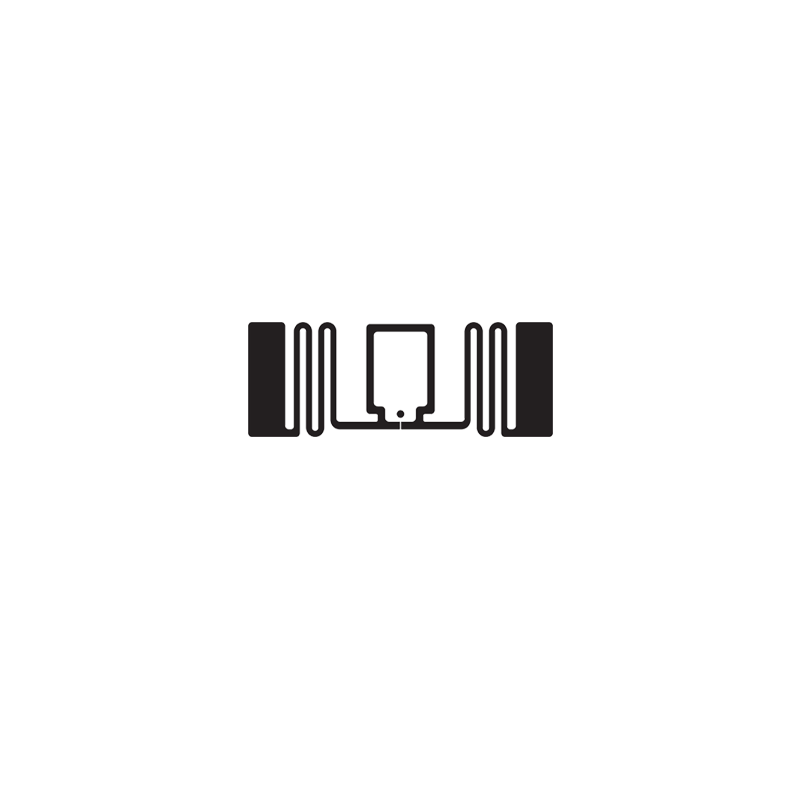
Customizable RFID Printable Labels – Reliable, High-Quality Labels from Leading RFID Suppliers
2.Why RFID Tags Are Important in Healthcare
Healthcare facilities face many daily challenges, including:
- Misplaced medical equipment
- Medication errors
- Patient identification mistakes
- Inventory shortages
- Long waiting times
- High operational costs
RFID technology helps solve these problems by providing real-time visibility and automation throughout the healthcare process.
From patient admission to discharge, RFID systems improve workflow efficiency while enhancing patient safety and regulatory compliance.
3.Main Uses of RFID in the Healthcare Setting
3.1 Patient Identification and Tracking
One of the most important uses of RFID tags in healthcare is patient identification.
Hospitals can provide RFID wristbands to patients upon admission. These wristbands contain important information such as:
- Patient identity
- Medical history
- Allergies
- Treatment schedules
- Medication information
Healthcare staff can instantly verify patient information using RFID readers, reducing the risk of medical errors and incorrect treatments.
Benefits include:
- Improved patient safety
- Faster patient verification
- Reduced administrative mistakes
- Better emergency response
RFID patient tracking is especially useful in:
- Emergency rooms
- Intensive care units
- Maternity wards
- Elderly care centers
- Psychiatric facilities

Medical Device RFID Chips
3.2 Medical Equipment Tracking
Hospitals use thousands of expensive medical devices every day, including:
- Wheelchairs
- Infusion pumps
- Ventilators
- Defibrillators
- Surgical instruments
Without proper tracking, equipment can easily become misplaced or underutilized.
RFID tags attached to medical assets allow hospitals to monitor equipment locations in real time. Staff can quickly locate necessary devices, improving operational efficiency and reducing delays in patient care.
Advantages include:
- Reduced equipment loss
- Faster equipment retrieval
- Lower replacement costs
- Improved asset utilization
- Preventive maintenance tracking
3.3 Medication Management
Medication errors are a serious concern in healthcare settings. RFID technology helps improve medication accuracy and traceability.
RFID tags can be attached to:
- Medicine bottles
- Syringes
- Blood bags
- IV solutions
Healthcare workers can automatically verify medications before administration, ensuring the correct medication reaches the correct patient at the correct dosage.
RFID-based medication management helps:
- Reduce medication errors
- Improve inventory control
- Monitor expiration dates
- Prevent counterfeit drugs
- Enhance pharmaceutical traceability
4. Hospital Inventory Management
Managing hospital inventory manually is time-consuming and prone to errors. RFID technology enables automatic inventory tracking for medical supplies such as:
- Surgical gloves
- Masks
- PPE equipment
- Bandages
- Catheters
- Pharmaceuticals
RFID systems provide real-time inventory visibility, helping hospitals maintain optimal stock levels.
Key benefits include:
- Reduced stock shortages
- Lower inventory costs
- Automated stock counting
- Faster replenishment
- Better supply chain management
5. Surgical Instrument Tracking
Surgical tools are critical assets that require strict monitoring and sterilization management.
RFID tags can be embedded into surgical instruments to track:
- Usage history
- Sterilization cycles
- Storage locations
- Maintenance records
This improves surgical safety while ensuring compliance with healthcare regulations.
Benefits include:
- Reduced instrument loss
- Better sterilization control
- Improved surgical workflow
- Increased patient safety
6. Staff Tracking and Access Control
RFID badges can also be used for hospital staff management.
Healthcare workers can use RFID-enabled ID cards for:
- Secure building access
- Attendance tracking
- Restricted area authorization
- Workflow monitoring
This helps hospitals improve security and operational management.
7. Blood Bank Management
Blood products require strict monitoring and temperature control.
RFID tags help blood banks track:
- Blood type
- Storage conditions
- Expiration dates
- Transportation status
This reduces waste and ensures safe blood transfusion practices.

UHF Handheld Reader
8.Benefits of RFID Tags in Healthcare
8.1 Improved Patient Safety
RFID minimizes human errors in patient identification, medication administration, and surgical procedures.
8.2 Increased Operational Efficiency
Automated data collection reduces paperwork and manual scanning tasks.
8.3 Real-Time Visibility
Hospitals gain instant access to the location and status of patients, equipment, and supplies.
8.4 Cost Reduction
RFID systems reduce equipment loss, inventory waste, and unnecessary labor costs.
8.5 Better Compliance
RFID technology helps healthcare providers meet strict regulatory and safety standards.
9.Challenges of RFID Implementation in Healthcare
Although RFID offers many advantages, there are still some challenges:
9.1 Initial Investment Costs
RFID systems require investment in tags, readers, software, and infrastructure.
9.2 Data Security Concerns
Patient information must be securely protected to comply with healthcare privacy regulations.
9.3 System Integration
RFID systems must integrate smoothly with existing hospital management systems.
9.4 Environmental Interference
Certain medical environments and metal equipment can affect RFID signal performance.
Despite these challenges, the long-term benefits of RFID technology often outweigh the initial costs.
10.The Future of RFID in Healthcare
As healthcare becomes more digital and data-driven, RFID technology will continue to expand.
Future trends include:
- AI-powered RFID analytics
- Smart hospitals
- IoT integration
- Real-time patient monitoring
- Automated healthcare workflows
With increasing demand for efficiency and patient safety, RFID tags in healthcare are expected to become a standard technology in modern medical facilities.
11.Conclusion
RFID tags in healthcare are revolutionizing hospital operations by improving patient safety, asset management, inventory control, and workflow efficiency. From patient tracking and medication management to surgical instrument monitoring and inventory automation, RFID technology provides healthcare providers with accurate, real-time data that enhances overall care quality.
As hospitals continue adopting digital healthcare solutions, RFID technology will play an increasingly important role in building smarter, safer, and more efficient healthcare systems.