

In today’s fast-paced industrial and commercial environments, efficient asset management is no longer optional—it’s essential. Businesses across manufacturing, logistics, healthcare, and energy sectors are increasingly turning to RFID technology to gain real-time visibility and control over their valuable assets. Among the many RFID solutions available, RFID UHF On Metal Asset Tags stand out as a powerful tool, especially for tracking metal equipment and infrastructure.
This article explores how RFID UHF On Metal Asset Tags work and, more importantly, the key benefits of RFID asset tracking.
1.What Is an RFID UHF On Metal Asset Tag?
An RFID UHF On Metal Asset Tag is a specialized type of RFID tag designed to be mounted directly onto metal surfaces without signal interference. Traditional RFID tags often struggle near metal due to reflection and absorption of radio waves. However, on-metal tags are engineered with shielding materials and optimized antenna designs to ensure reliable performance.
Operating in the Ultra High Frequency (UHF) range (typically 860–960 MHz), these tags offer long read distances, fast data transmission, and the ability to scan multiple items simultaneously—making them ideal for industrial asset tracking.

Library Shelf PCB RFID Tag
2.Why Metal Assets Are Challenging to Track
Metal assets such as machinery, tools, containers, and IT equipment are often high-value and widely distributed. Traditional tracking methods like barcodes or manual logs present several limitations:
- Line-of-sight scanning required
- Prone to wear and damage
- Labor-intensive and error-prone
- Lack of real-time visibility
RFID UHF On Metal Asset Tags solve these challenges by enabling automated, contactless identification—even in harsh environments.
3.Key Benefits of RFID Asset Tracking
3.1 Real-Time Asset Visibility
RFID systems provide instant access to the location and status of assets. With strategically placed RFID readers, businesses can monitor asset movement in real time, reducing search time and preventing loss or misplacement.
3.2 Improved Operational Efficiency
Manual asset tracking processes consume time and resources. RFID automates data capture, allowing employees to scan dozens or even hundreds of assets in seconds. This leads to faster inventory counts, streamlined workflows, and reduced labor costs.
3.3 Enhanced Accuracy and Data Integrity
Human errors in manual data entry can lead to costly mistakes. RFID eliminates the need for manual input, ensuring high data accuracy and consistency across systems. This is especially critical for industries requiring strict compliance and audit trails.
3.4 Durability in Harsh Environments
RFID UHF On Metal Asset Tags are designed to withstand extreme conditions, including:
- High temperatures
- Moisture and chemicals
- Physical impact and vibration
This makes them ideal for industries like oil & gas, construction, and manufacturing, where assets are exposed to tough environments.
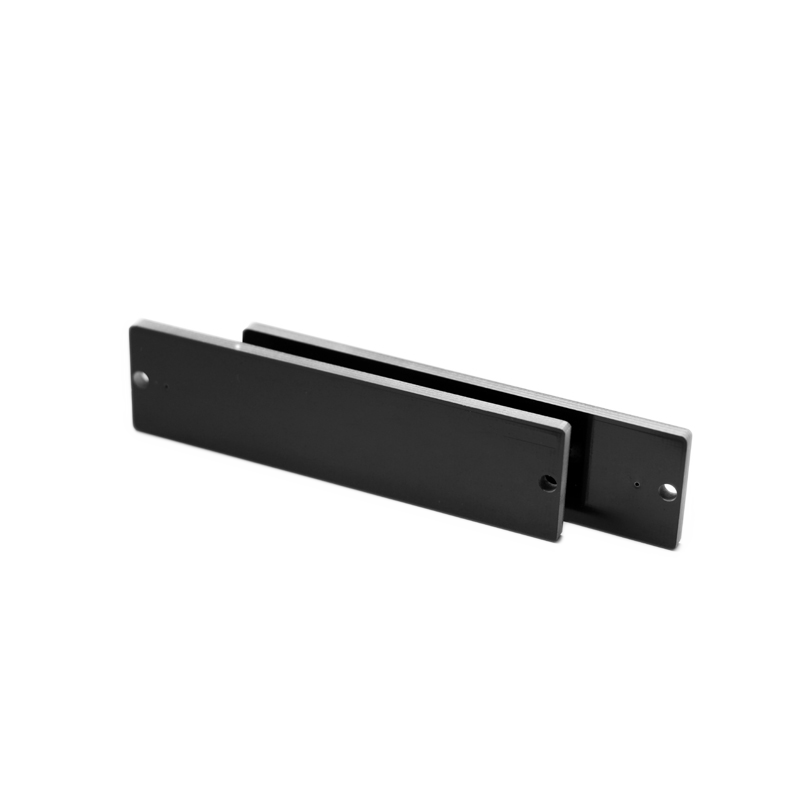
RFID Equipment Tags
3.5 Long Read Range and Bulk Scanning
UHF RFID technology enables read ranges of several meters, depending on the setup. More importantly, it supports bulk scanning—multiple tags can be read simultaneously without line-of-sight. This dramatically improves efficiency in warehouses and large facilities.
3.6 Cost Savings Over Time
While the initial investment in RFID infrastructure may be higher than traditional methods, the long-term savings are significant. Reduced labor, fewer lost assets, improved utilization, and better decision-making all contribute to a strong return on investment (ROI).
3.7 Better Asset Utilization and Lifecycle Management
RFID tracking provides valuable insights into how assets are used. Businesses can analyze usage patterns, schedule preventive maintenance, and extend asset lifespan. This leads to more informed capital expenditure decisions and reduced downtime.
3.8 Scalability and Integration
Modern RFID systems can easily integrate with enterprise software such as ERP and asset management platforms. As your business grows, RFID solutions can scale to accommodate more assets, locations, and users without major disruptions.
4.Common Applications of RFID UHF On Metal Asset Tags
- Manufacturing: Tracking tools, molds, and production equipment
- IT Asset Management: Monitoring servers, laptops, and hardware
- Logistics & Warehousing: Managing pallets, containers, and returnable assets
- Healthcare: Tracking medical devices and surgical instruments
- Energy & Utilities: Monitoring pipelines, transformers, and field equipment
5.Conclusion
RFID UHF On Metal Asset Tags are transforming the way businesses manage and track their assets—especially those made of metal. By enabling real-time visibility, improving efficiency, and ensuring durability in harsh environments, these tags unlock the full potential of RFID asset tracking.
As industries continue to embrace digital transformation, investing in RFID technology is not just about tracking assets—it’s about gaining a competitive edge through smarter, data-driven operations.