

With the acceleration of urbanization, the amount of urban garbage is growing rapidly, which brings great challenges to the work of garbage transfer and removal. In order to improve the efficiency and accuracy of garbage transfer and removal, the urban garbage transfer and removal vehicle management solution based on RFID technology realizes the intelligent RFID Waste management of garbage transfer stations, garbage bins and removal vehicles. This solution aims to realize the automation, informatization and intelligence of garbage transfer and removal process through RFID technology, to improve the efficiency of garbage disposal, to reduce the operation cost, and to promote the sustainable development of urban garbage management.


Long Distance RFID Reader Built in 12 dBi Antenna
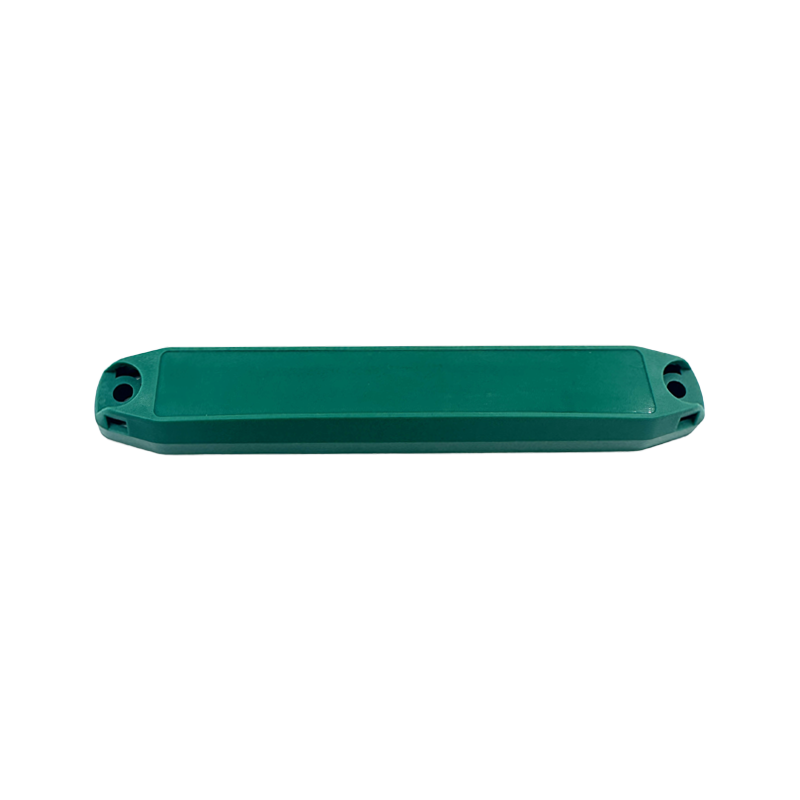
RFID Metal Labels
1. RFID technology application program
1.1 RFID tag deployment
Dumpster tag deployment: install RFID tags for all dumpsters, the tag stores the number, location, capacity and other information of the dumpster. Tag should be installed in the prominent position of the dumpster, easy to read RFID read-write.
Garbage Transfer Station Tag Deployment: RFID readers are installed at the entrance and exit of the garbage transfer station to read the tag information of the garbage bins entering and leaving the station. At the same time, RFID readers are also deployed at key locations inside the transfer station (e.g., weighing area, sorting area, etc.) to achieve comprehensive monitoring of the garbage disposal process.
Vehicle tag deployment: RFID tags are installed in all garbage removal vehicles, storing the vehicle number, fleet affiliation, driver information, and operational status. The tags should be installed in the conspicuous position of the vehicle, so that it is easy to be read when the vehicle enters or leaves the transfer station or during the traveling process.


UHF RFID Metal
1.2 RFID Readers and System Integration
Reader Deployment: Deploy RFID readers at waste transfer stations, key road sections, landfills, etc., to ensure comprehensive coverage of all aspects of waste transfer and removal. Readers should have good anti-interference ability and stability to ensure accurate reading of data.
System integration: RFID readers are integrated with the garbage management system to realize real-time data transmission and processing. The system should be equipped with data cleaning, storage, analysis and other functions to provide managers with intuitive and accurate data support.

Long Distance RFID Reader Built in 12 dBi Antenna
1.3 Data Acquisition and Management
Real-time Data Acquisition: Real-time collection of information on garbage cans, transfer stations and removal vehicles, including location, status, capacity, etc., through RFID readers. The data should be transmitted to the garbage management system in real time to ensure the timeliness and accuracy of the information.
Data management and analysis: The garbage management system should store, analyze and visualize the collected data. Through data analysis, waste transfer and removal routes can be optimized to improve cleaning efficiency. At the same time, the data can also provide decision-making basis for urban garbage management.
1.4 Vehicle Tracking and Scheduling
Vehicle Tracking: Real-time tracking of garbage removal vehicles is realized through RFID tags and read-write. Managers can check the location, speed and operation status of the vehicles in real time to ensure that the vehicles arrive at the designated location for garbage transportation on time.
Intelligent scheduling: According to the real-time information of garbage transfer stations and garbage cans, combined with traffic conditions, vehicle status and other factors, intelligent scheduling of garbage removal vehicles is realized. The scheduling system should be able to automatically generate optimal cleaning routes and plans to improve cleaning efficiency.
2. Project Implementation Steps
Equipment Procurement and Deployment: Select appropriate RFID tags, readers and related equipment, and deploy them according to the plan. Ensure stable equipment performance and reasonable location.
System Integration and Testing: Integrate RFID readers with the waste management system and conduct comprehensive testing. Ensure accurate data transmission and stable and reliable system.
Personnel training and promotion: Train and promote RFID technology to managers and operators to improve their knowledge and application ability of the new technology.
Project Acceptance and Evaluation: After the project implementation is completed, conduct project acceptance and evaluation. Check the application effect of RFID technology, summarize the lessons learned and provide reference for the subsequent application.
3. Expected effects and benefits
Improvement of cleaning efficiency: automated management of waste transfer and cleaning through RFID technology, reducing manual intervention and improving cleaning efficiency.
Reduce costs: Optimize cleaning routes and plans, reduce vehicle idling and waiting time, and reduce operating costs.
Enhance management level: Realize the informationization and intelligent management of garbage transfer and cleaning process, improve management efficiency and accuracy.
Promote sustainable development: Promote the intelligent and refined development of urban waste management and contribute to the sustainable development of Shanghai.
The urban garbage transfer and clearing vehicle management solution based on RFID radio frequency identification technology combines RFID technology with the garbage management system to realize the intelligent management of the garbage transfer and clearing process. It provides strong technical support and guarantee for urban garbage management by optimizing cleaning routes, improving cleaning efficiency, reducing costs and upgrading management level. In the future, we will continue to improve and optimize the RFID system to promote the intelligent and refined development of urban waste management.