

In modern asset management, logistics tracking, and other operational scenarios across the United States, RFID zip tie tags have emerged as a critical tool addressing the pain points of traditional methods—such as complex operations and high error rates—through their “easy fixation and strong identification” features. Below, we explore the core value of these tags in American applications by examining their advantages and practical use cases.
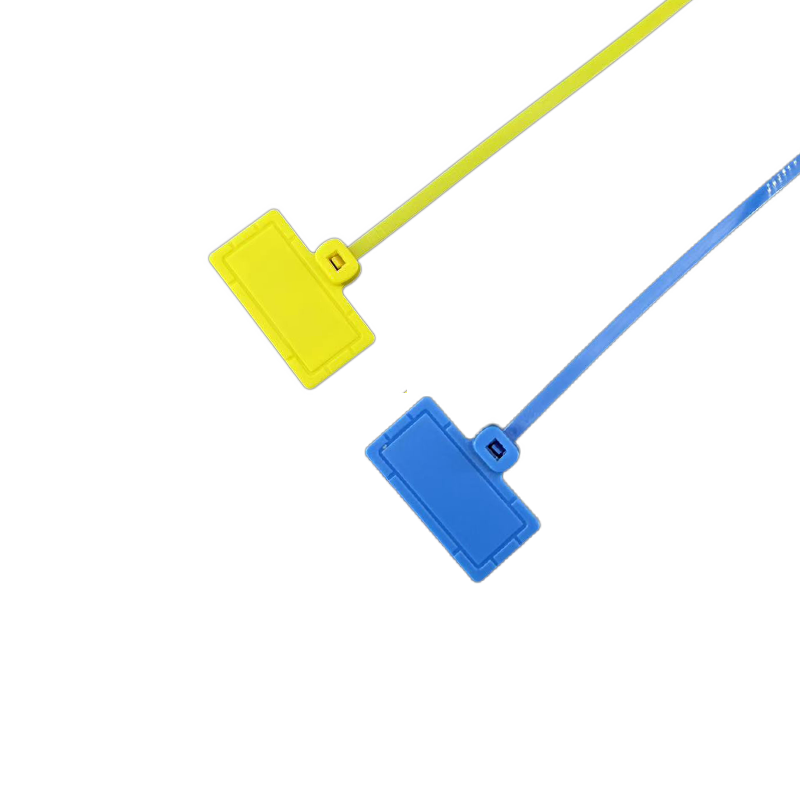
RFID UHF Zip Tie Tags
1.Core Advantages of RFID Zip Tie Tags: Emphasizing Convenience and Precision
The benefits of RFID zip tie tags directly meet the practical demands of management in the U.S. market, particularly in enhancing operational efficiency and reducing errors.
1.1 Improved Operational Convenience
Traditional labeling methods in the United States—such as adhesive application, tying, or drilling—are not only time-consuming but also prone to detachment, leading to management gaps. In contrast, RFID high-frequency/ultra-high-frequency zip tie tags, constructed from high-quality ABS and nylon, are lightweight and simple to install. They require no specialized tools; simply fasten the tie around the target object (e.g., packages, equipment, or building materials). This adaptability to various item sizes significantly reduces manual steps and streamlines processes.
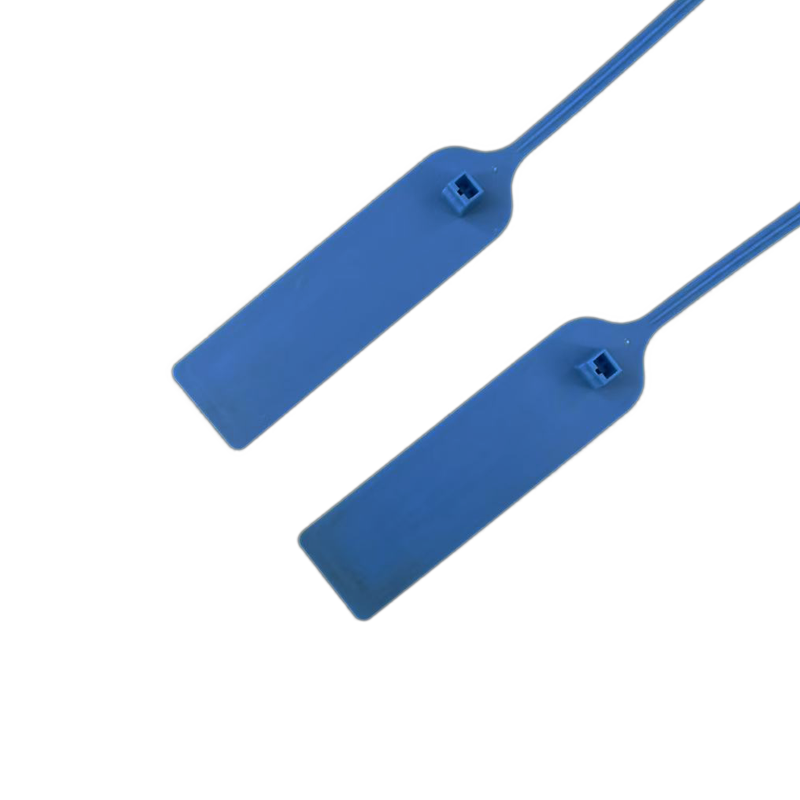
Disposable Seal RFID Cable Tag
1.2 Environmental Adaptability and Error Prevention
Management errors in the U.S. often arise from environmental factors (e.g., humidity, high temperatures) or human interference (e.g., label tampering or damage). RFID zip tie tags effectively address these issues with their waterproof and heat-resistant properties, ensuring reliable performance in diverse settings—from indoor warehouses to outdoor sites. Additionally, their anti-tamper design prevents malicious replacement, reducing the risk of information inaccuracy at the source.
1.3 Accurate and Efficient Identification
These tags can be customized with high-frequency or ultra-high-frequency chips. When used with RFID readers and handheld devices common in American industries, they enable rapid batch identification without the need for manual barcode scanning or handwritten records. This eliminates the tedious tasks of locating and scanning labels while avoiding human data entry errors, thereby lowering management error rates.
RFID high-frequency/ultra-high-frequency zip tie tags, customizable with specific chips, are made from durable ABS and nylon materials. They are lightweight, easy to install, and feature anti-tamper, waterproof, and heat-resistant properties, making them suitable for both indoor and outdoor use across the United States. When integrated with RFID readers and handheld devices, they are ideal for applications such as快递管理, medical solid waste management, equipment inspection, building materials management, logistics tracking, intelligent manufacturing, and automotive components.
2.Application Scenarios of RFID Zip Tie Tags: Meeting Diverse Industry Needs in the U.S.
Leveraging the unique characteristics of RFID zip ties, their applications have expanded into multiple sectors in the United States that require “precise traceability and efficient tracking”:
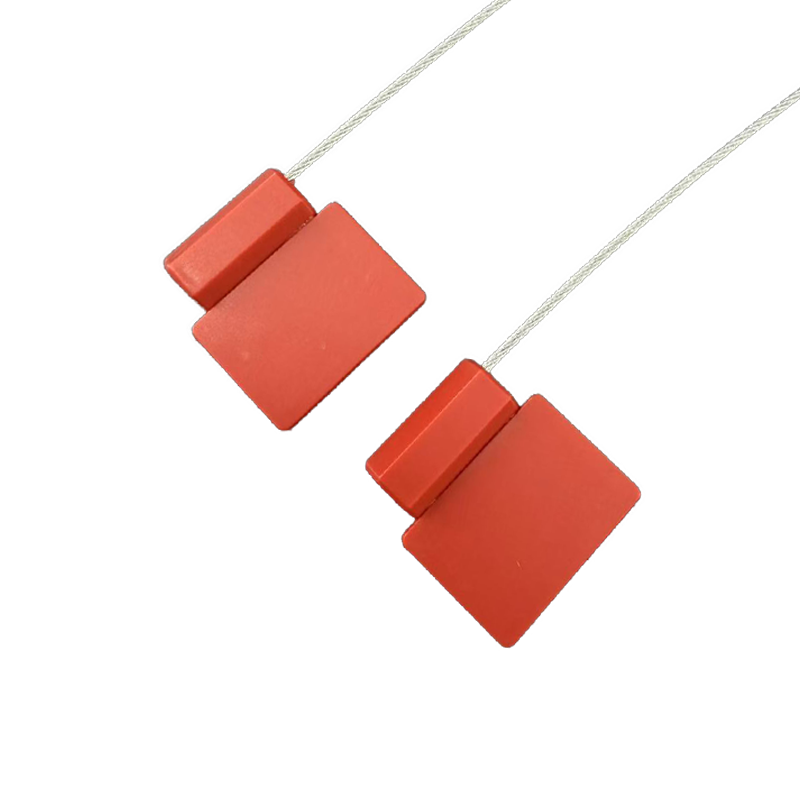
RFID Cable Tie Tag Self-locking
Tags attached to packages allow delivery information to be read instantly with a handheld scanner during sorting, replacing traditional barcode scanning and minimizing mis-shipments or omissions.
Medical Solid Waste Management: Tags record details such as the waste-generating department, time, and type. The anti-tamper design ensures accurate traceability, preventing mix-ups or loss of medical waste.
Equipment Inspection: Tags fixed onto inspection equipment (e.g., server room servers, factory machinery) enable staff to scan and log inspection status and results digitally, eliminating manual form-filling and boosting efficiency.
Building Materials Management: Throughout the procurement-to-usage lifecycle, tags move with materials, allowing real-time location tracking via readers to prevent loss or misuse.
Logistics Tracking, Intelligent Manufacturing, and Automotive Components: In U.S. logistics, tags provide end-to-end visibility from warehouse dispatch to final delivery. In manufacturing, they are attached to automotive parts and production components to trace batch and assembly data, supporting precise control.
3.Conclusion
The application of RFID zip tie tags in the United States essentially addresses “efficiency bottlenecks” and “error vulnerabilities” in management through their easy installation, robust stability, and high identification capabilities. Products like these are not only adaptable to diverse scenarios (e.g., customizable chips, indoor/outdoor use) but also target key operational pain points (e.g., lightweight installation, anti-tamper features). As a result, they have become a practical choice for enhancing management efficiency in American industries such as logistics, healthcare, and manufacturing. With the ongoing adoption of radio frequency identification technology, RFID zip tie tags will continue to add value across more specialized sectors, simplifying and refining management practices throughout the U.S.