

As industries continue to embrace automation and digital transformation, businesses are seeking smarter ways to identify, locate, and manage assets in real time. Long Range RFID Tags have become an essential technology for warehouses, logistics providers, manufacturers, transportation hubs, and smart facilities that require fast, contactless identification over extended distances.
Among the latest innovations, the tag master sticker has emerged as a practical RFID labeling solution that combines durability, flexibility, and high-performance long-range reading capabilities. It enables organizations to improve operational visibility while reducing manual labor and costly identification errors.
What Are Long Range RFID Tags?
Long Range RFID Tags use Ultra High Frequency (UHF) technology to communicate with RFID readers from several meters away, depending on the tag design, antenna performance, and environmental conditions.
Unlike traditional barcode labels that require line-of-sight scanning, RFID tags can be read automatically and simultaneously without direct contact. This significantly improves data collection speed and operational efficiency.
Typical long-range RFID systems include:
- UHF RFID tags
- Fixed RFID readers
- RFID antennas
- Handheld RFID readers
- RFID management software
Together, these components provide complete visibility across the supply chain.
What Is a Tag Master Sticker?
A tag master sticker is an RFID-enabled label designed for reliable identification and long-distance reading. It serves as a unique digital identity for products, assets, pallets, containers, or equipment throughout their lifecycle.
Compared with conventional identification labels, a tag master sticker offers several advantages:
- Long-range wireless identification
- Fast bulk reading of multiple items
- Contactless operation
- High data accuracy
- Reduced manual intervention
- Easy integration with enterprise management systems
Depending on the application, tag master stickers can be manufactured using paper, PET, synthetic materials, or industrial-grade materials to withstand demanding operating environments.
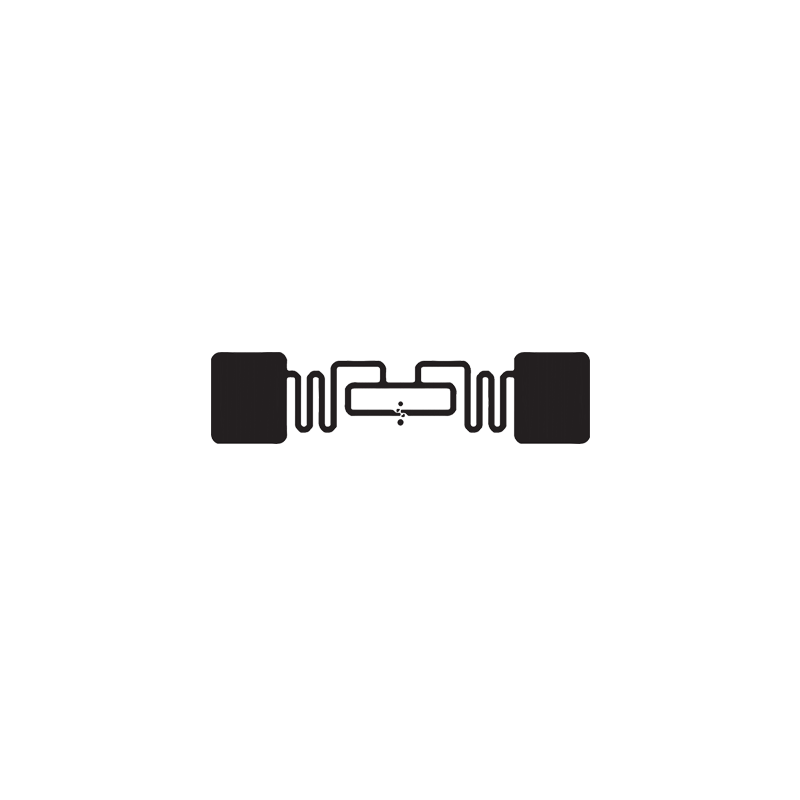
Alien ALN-9662 Short RFID White WET Inlay – High-Performance UHF RFID for Asset Tracking
Why Long Range RFID Tags Are Becoming Essential
Faster Inventory Management
Large warehouses often contain thousands of inventory items. Manual barcode scanning is time-consuming and labor-intensive.
Long Range RFID Tags allow employees to perform inventory counts automatically, enabling faster audits while improving inventory accuracy.
Improved Asset Visibility
Manufacturing plants and industrial facilities manage expensive equipment that frequently moves between workstations.
Using a tag master sticker, each asset receives a unique RFID identity, allowing managers to monitor asset location, movement history, and utilization in real time.
Higher Logistics Efficiency
Distribution centers require rapid identification of pallets, cartons, and shipping containers.
Long Range RFID Tags automatically capture shipment information as goods pass through RFID portals, eliminating manual scanning and reducing shipping errors.
Enhanced Vehicle Identification
Long-range RFID technology is widely used for vehicle access control.
Vehicles equipped with RFID windshield tags can be automatically identified as they approach entry gates, improving traffic flow while increasing security.
Reduced Operating Costs
By automating identification processes, businesses reduce labor requirements, minimize human error, and improve operational efficiency. Over time, these improvements translate into lower operating costs and higher productivity.
Typical Applications
Long Range RFID Tags are widely deployed across many industries, including:
- Warehouse management
- Logistics and distribution
- Manufacturing
- Semiconductor production
- Automotive manufacturing
- Retail inventory management
- Asset tracking
- Vehicle access control
- Smart parking
- Healthcare equipment management
- Airport baggage tracking
Their versatility makes them suitable for virtually any environment where fast, reliable identification is required.
Choosing the Right Long Range RFID Tag
Selecting the appropriate RFID tag depends on several factors, including:
- Required read distance
- Operating frequency
- Mounting surface (metal or non-metal)
- Environmental conditions
- Temperature resistance
- Chemical exposure
- Waterproof requirements
- Required memory capacity
- Industry compliance standards
For metal assets, anti-metal RFID tags are recommended to ensure stable reading performance. Outdoor applications may require UV-resistant and waterproof tag constructions, while industrial environments often demand high-temperature or chemical-resistant materials.

Clothing Labels Custom
The Future of RFID Identification
As Industry 4.0 and Industrial IoT continue to evolve, Long Range RFID Tags are becoming a key component of intelligent manufacturing and digital supply chain management.
The latest RFID technologies deliver faster reading speeds, greater read accuracy, improved anti-collision performance, and seamless integration with cloud-based enterprise platforms such as ERP, MES, and WMS.
By adopting advanced solutions such as the tag master sticker, organizations can achieve greater operational visibility, improve traceability, automate business processes, and build a smarter, more connected enterprise.
Conclusion
Long Range RFID Tags have transformed the way businesses identify and manage assets across manufacturing, logistics, transportation, retail, and industrial operations. A high-quality tag master sticker provides reliable long-distance identification, improves inventory accuracy, reduces manual work, and enables real-time asset visibility.
As digital transformation accelerates across industries, investing in advanced RFID technology is becoming a strategic decision that supports higher efficiency, better traceability, and sustainable business growth.