

RFID technology is widely used in access control, transportation, retail, healthcare, logistics, and smart payment systems. With the rapid growth of RFID applications, understanding different Types Of Card Reader has become increasingly important. One of the most common questions users ask is: How to identify an RFID card type?
Different RFID cards operate on different frequencies and protocols, meaning not every card works with every reader. In this article, we will explain the major Types Of Card Reader, how RFID cards work, and the easiest ways to identify an RFID card type accurately.
1.What Is an RFID Card Reader?
An RFID card reader is an electronic device that uses radio frequency signals to communicate with RFID cards or tags. The reader captures information stored inside the chip and sends it to a computer or control system.
RFID card readers are commonly used for:
- Door access control
- Employee attendance systems
- Hotel key cards
- Public transportation
- Warehouse management
- Cashless payments
- Library systems
Different applications require different Types Of Card Reader depending on reading distance, frequency, and security level.

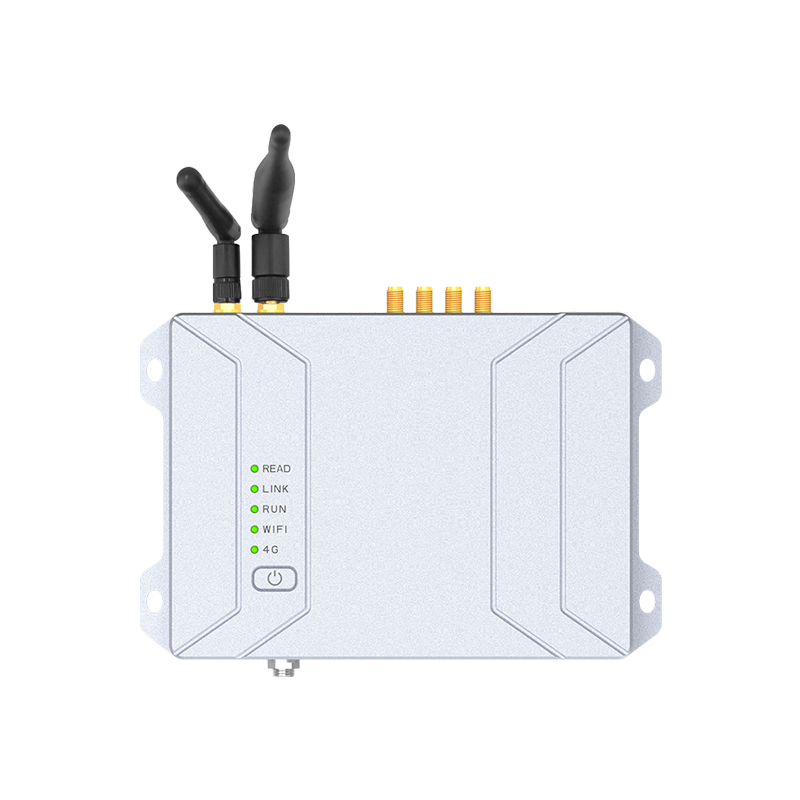
Impinj E710 RFID Fixed Reader | High-Performance Asset Tracking & Inventory Management
2.Main Types Of Card Reader
There are several Types Of Card Reader used in modern RFID systems. Each reader supports specific RFID card technologies.
2.1 Low Frequency (LF) Card Readers
LF card readers typically operate at 125 kHz or 134.2 kHz.
Common Applications
- Access control
- Animal identification
- Attendance systems
Features
- Short reading distance
- Stable performance around water and metal
- Lower reading speed
Popular LF Card Types
- EM4100
- TK4100
- HID Prox cards
LF readers are simple and cost-effective, making them ideal for basic identification systems.
2.2 High Frequency (HF) Card Readers
HF card readers work at 13.56 MHz and are among the most widely used Types Of Card Reader.
Common Applications
- NFC payments
- Campus cards
- Smart ticketing
- Library management
Features
- Moderate reading distance
- Faster data transfer
- Better security support
Popular HF Card Types
- MIFARE Classic
- MIFARE DESFire
- NTAG213
- NTAG215
- ISO14443A cards
HF readers are commonly found in modern smart card systems.
2.3 Ultra High Frequency (UHF) Card Readers
UHF readers operate between 860 MHz and 960 MHz.
Common Applications
- Logistics management
- Retail inventory tracking
- Vehicle access control
- Warehouse automation
Features
- Long reading range
- Fast multi-tag reading
- High efficiency
Popular UHF Standards
- EPC Gen2
- ISO18000-6C
UHF systems are ideal for large-scale tracking operations.
2.4 NFC Card Readers
NFC readers are a specialized type of HF reader designed for short-range communication.
Common Uses
- Mobile payment systems
- Smartphone pairing
- Smart advertising
- Digital business cards
Advantages
- Smartphone compatibility
- Secure communication
- User-friendly operation
Many modern smartphones can function as NFC readers.
3.How to Identify an RFID Card Type?
Identifying the RFID card type is essential before selecting a compatible reader or upgrading an RFID system.
Here are several effective methods to identify RFID cards.
3.1 Check the Operating Frequency
The simplest way to identify an RFID card type is by frequency.
| RFID Type | Frequency | Typical Usage |
| LF | 125 kHz | Access control |
| HF | 13.56 MHz | NFC & payments |
| UHF | 860–960 MHz | Logistics & tracking |
Using a multi-frequency RFID tester can quickly determine the card frequency.
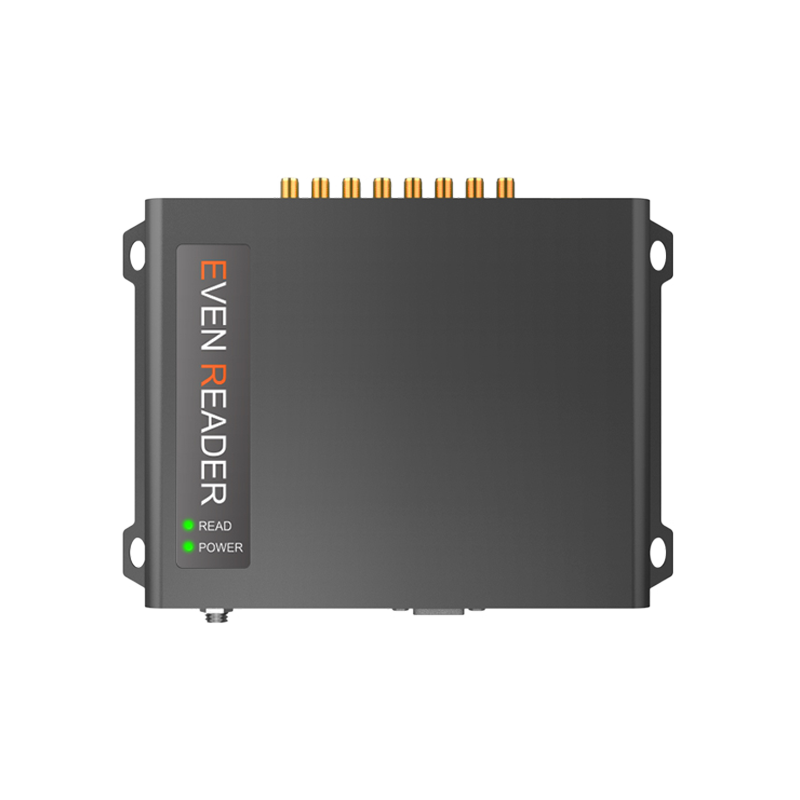
RFID Separated Reader Equiped with 8 Port Antenna
3.2 Read the Printed Label or Model
Some RFID cards include printed information such as:
- MIFARE Classic
- DESFire EV1
- HID Prox
- NTAG215
These labels help identify the card technology and compatible Types Of Card Reader.
3.3 Use RFID Reader Software
Professional RFID readers often include software capable of displaying:
- Card UID
- Chip manufacturer
- Frequency
- Memory size
- Communication protocol
This is one of the most accurate identification methods.
3.4 Scan the Card Using an NFC Smartphone
Many Android phones support NFC scanning.
If the RFID card uses HF/NFC technology, the smartphone may display:
- UID number
- NFC protocol
- Card type
- Stored data
However, NFC phones usually cannot read LF or UHF RFID cards.
3.5 Identify the RFID Protocol
RFID cards use different communication standards such as:
- ISO14443A
- ISO14443B
- ISO15693
- EPC Gen2
The protocol determines which Types Of Card Reader are compatible with the card.
3.6 Why Identifying RFID Card Types Matters
Correct RFID card identification provides several important benefits.
Improved Compatibility
Ensures the RFID card works with the correct reader.
Better Security
Advanced cards support encryption and authentication.
Easier System Integration
Correct identification prevents communication errors.
Reduced Costs
Avoids purchasing incompatible readers or cards.
For example, a 125 kHz LF reader cannot read a 13.56 MHz HF card.
4.Common RFID Card Types Explained
H3: MIFARE Classic Cards
Widely used for:
- Transportation systems
- Employee access control
- Campus cards
Features
- 13.56 MHz frequency
- Affordable pricing
- Fast communication
4.1 MIFARE DESFire Cards
Designed for high-security environments.
Applications
- Government IDs
- Enterprise security
- Public transportation
Advantages
- AES encryption
- High-level security
- Multi-application support
4.2 HID Prox Cards
Popular in office access systems.
Features
- 125 kHz frequency
- Stable short-range reading
- Simple deployment
4.3 UHF RFID Cards
Used in long-range identification systems.
Applications
- Parking management
- Warehouse tracking
- Vehicle identification
Advantages
- Long reading distance
- Fast bulk scanning
5.How to Choose the Right Types Of Card Reader
When selecting an RFID card reader, consider the following factors.
5.1 Frequency Support
The reader must support the same frequency as the RFID card.
5.2 Reading Distance
Different applications require different reading ranges.
- LF: short range
- HF/NFC: medium range
- UHF: long range
5.3 Security Requirements
High-security applications should support:
- Encryption
- Authentication
- Secure communication protocols
5.4 Environmental Conditions
Industrial environments may require:
- Waterproof readers
- Dustproof housing
- Anti-metal interference capability
6.Future Trends in RFID Card Readers
Modern Types Of Card Reader are becoming more advanced with features such as:
- Multi-frequency support
- Smartphone integration
- Cloud connectivity
- IoT compatibility
- AI-powered identification
Many businesses now prefer hybrid RFID readers capable of reading LF, HF, NFC, and UHF cards in a single device.
7.Conclusion
Understanding different Types Of Card Reader is essential for selecting the right RFID solution. Since RFID cards vary by frequency, protocol, and security level, identifying the RFID card type correctly ensures compatibility and reliable system performance.
Whether you are using LF access cards, HF NFC cards, or long-range UHF tags, proper identification helps improve efficiency, security, and system integration. As RFID technology continues to evolve, advanced multi-frequency readers will make RFID management even smarter and more convenient.