

In modern commercial laundry operations, efficiency, traceability, and durability are essential. From hotels and hospitals to industrial laundries and uniform rental companies, businesses process thousands of textile items every day. Traditional barcode systems often fail in harsh washing environments, which is why Waterproof RFID Tags have become the preferred solution for smart textile management.
This comprehensive guide explains how RFID laundry tags work, their benefits, applications, and why waterproof RFID technology is transforming the laundry industry.
1.What Are Waterproof RFID Tags?
Waterproof RFID tags are specially designed radio frequency identification tags that can survive harsh environments involving:
- High-temperature washing
- Industrial drying
- Chemical exposure
- Water immersion
- Repeated ironing and pressure
Unlike paper labels or ordinary barcode stickers, waterproof RFID tags contain an embedded RFID chip and antenna sealed inside durable materials such as silicone, PPS, fabric, or epoxy.
These tags allow automatic identification and tracking of textile products without direct line-of-sight scanning.
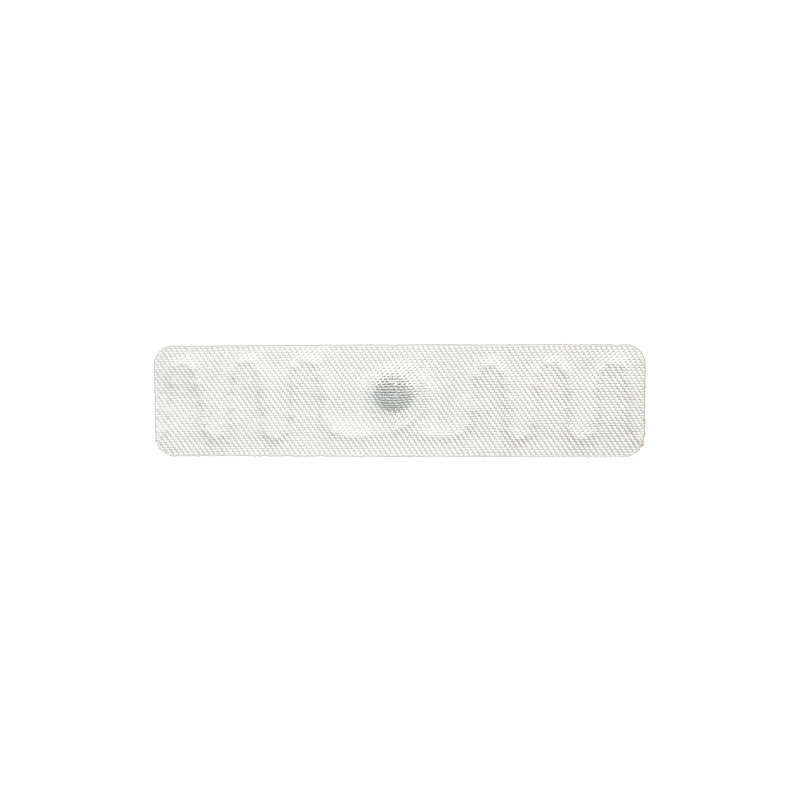
Custom RFID laundry tags
2.What Are RFID Laundry Tags?
RFID laundry tags are a specific type of waterproof RFID tag designed for textile tracking in laundry operations. They are attached to:
- Hotel linens
- Hospital bedding
- Towels
- Uniforms
- Workwear
- Garments
- Textile rental products
Each tag contains a unique ID that can be read automatically by RFID readers during washing, sorting, storage, and distribution.
3.How Waterproof RFID Laundry Tags Work
The RFID laundry management process typically includes the following steps:
3.1 Tag Attachment
The waterproof RFID tag is sewn into or heat-sealed onto the textile item.
3.2 Data Registration
Each tag is assigned unique information such as:
- Product type
- Owner information
- Usage history
- Washing cycles
- Inventory number
3.3 Automated Scanning
RFID readers automatically identify hundreds of items simultaneously during:
- Collection
- Sorting
- Washing
- Drying
- Packaging
- Delivery
3.4 Real-Time Tracking
The system updates inventory and tracking data in real time, improving operational visibility.
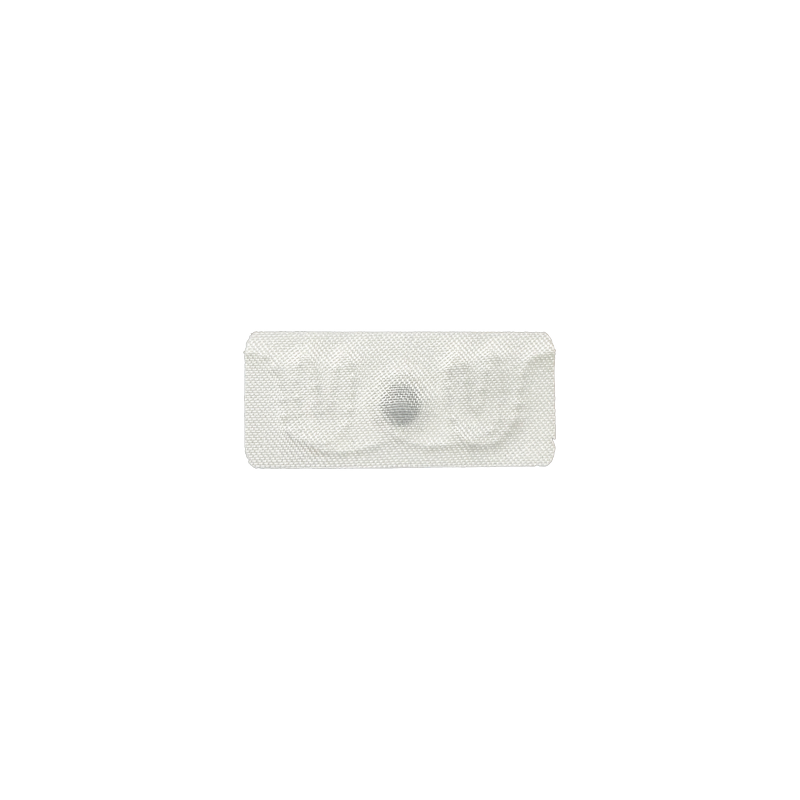
Sewing RFID Tags Into Clothing
4.Key Features of Waterproof RFID Tags
4.1 Waterproof and Chemical Resistant
These tags are engineered to withstand water, detergents, bleach, and industrial chemicals.
4.2 High Temperature Resistance
Most RFID laundry tags can tolerate:
- Washing temperatures above 200°C
- High-pressure extraction
- Industrial ironing
4.3 Long Service Life
Quality waterproof RFID tags can survive:
- 200–300 wash cycles
- Continuous industrial use
- Repeated bending and compression
4.4 Fast Bulk Reading
RFID systems can scan hundreds of tags within seconds, significantly improving efficiency.
4.5 Non-Contact Identification
Unlike barcodes, RFID does not require direct visibility or manual scanning.
5.Benefits of Waterproof RFID Tags in Laundry Management
5.1 Improved Operational Efficiency
Manual counting and sorting are time-consuming and error-prone. RFID automation dramatically reduces labor costs and processing time.
5.2 Accurate Inventory Management
Businesses can track every textile item throughout its lifecycle, minimizing losses and improving accountability.
5.3 Reduced Textile Loss
Hotels and hospitals often lose towels, uniforms, or linens. RFID tracking helps identify missing items quickly.
5.4 Better Customer Service
Laundry providers can offer accurate delivery records and improved transparency to clients.
5.5 Enhanced Hygiene Compliance
In healthcare environments, RFID systems help ensure proper washing cycles and sterilization tracking.
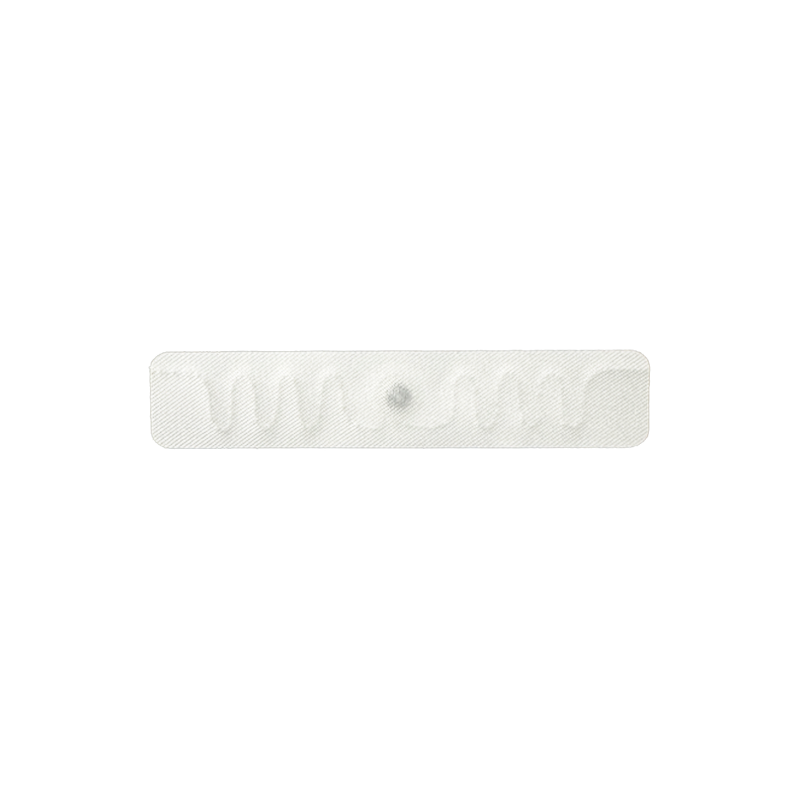
Textile RFID Laundry Tag
6. Types of RFID Laundry Tags
6.1 Fabric RFID Laundry Tags
Soft and flexible, suitable for linens and garments.
6.2 Silicone RFID Tags
Highly durable and waterproof, ideal for harsh industrial environments.
6.3 PPS RFID Laundry Tags
Made from PPS plastic, these are resistant to high temperatures and chemicals.
6.4 UHF RFID Laundry Tags
Offer longer reading ranges and fast bulk scanning capabilities.
7.Applications of Waterproof RFID Tags
7.1 Hotels
Hotels use RFID laundry tags to manage:
- Bed sheets
- Towels
- Bathrobes
- Staff uniforms
7.2 Hospitals
Hospitals require accurate textile tracking for hygiene and infection control.
7.3 Industrial Laundries
Large-scale laundries use RFID systems to automate sorting and logistics.
7.4 Uniform Rental Services
RFID enables efficient tracking of workwear and rental garments.
7.5 Hospitality Industry
Restaurants, spas, and resorts use waterproof RFID tags for textile inventory management.
8.Why UHF Waterproof RFID Tags Are Popular
UHF RFID laundry tags are widely adopted because they provide:
- Longer reading distance
- Faster scanning speed
- Simultaneous multi-tag reading
- Better warehouse and logistics management
These features make them ideal for large-scale commercial laundry operations.
9.Factors to Consider When Choosing Waterproof RFID Tags
When selecting RFID laundry tags, businesses should evaluate:
9.1 Durability
Choose tags designed for industrial washing environments.
9.2 Reading Range
Different RFID frequencies offer different scanning distances.
9.3 Tag Size and Flexibility
The tag should not affect garment comfort or usability.
9.4 Attachment Method
Options include sewing, heat sealing, or pouch insertion.
9.5 System Compatibility
Ensure compatibility with existing RFID readers and software systems.
10.Future Trends of RFID Laundry Management
The demand for waterproof RFID tags continues to grow as businesses adopt digital transformation strategies. Future developments may include:
- IoT-enabled laundry tracking
- Cloud-based textile management
- AI-powered inventory analytics
- Smart laundry automation
- Real-time asset monitoring
As RFID technology becomes more affordable, even small and medium-sized laundries are adopting RFID solutions.
11.Conclusion
Waterproof RFID tags are revolutionizing the laundry industry by providing automated, accurate, and durable textile tracking solutions. From hotels and hospitals to industrial laundries and uniform rental services, RFID laundry tags improve operational efficiency, reduce losses, and enhance inventory visibility.
As the demand for smart textile management continues to rise, waterproof RFID technology will remain a key component of modern laundry operations.