

What are rfid wristbands?RFID wristbands are wearable devices embedded with Radio Frequency Identification (RFID) technology that enables wireless identification, tracking, and data exchange. These wristbands contain a small RFID chip and antenna that communicate with RFID readers using radio waves.
RFID wristbands are commonly used for:
- Access control
- Cashless payments
- Event management
- Healthcare monitoring
- Hotel services
- Fitness centers
- Amusement parks
Because they are secure, convenient, and easy to use, RFID wristbands have become increasingly popular across many industries.
1.How Do RFID Wristbands Work?
To understand how RFID wristbands work, it is important to know the basic components of an RFID system. An RFID wristband system typically includes:
- RFID wristband
- RFID reader
- Antenna
- Management software
When the RFID wristband comes within the reading range of an RFID reader, the reader sends out a radio signal. The antenna inside the wristband receives the signal and activates the RFID chip. The chip then transmits stored data back to the reader.
The system processes the information instantly, allowing automatic identification, authentication, or transaction processing.
2.Components of RFID Wristbands
2.1 RFID Chip
The RFID chip stores digital information such as:
- User ID
- Ticket information
- Payment credentials
- Access permissions
- Medical records
Different chips offer different memory capacities and security levels depending on the application.
2.2 Antenna
The antenna enables communication between the RFID wristband and the RFID reader. It receives radio frequency signals and transmits stored data.
The design of the antenna directly affects reading distance and performance.
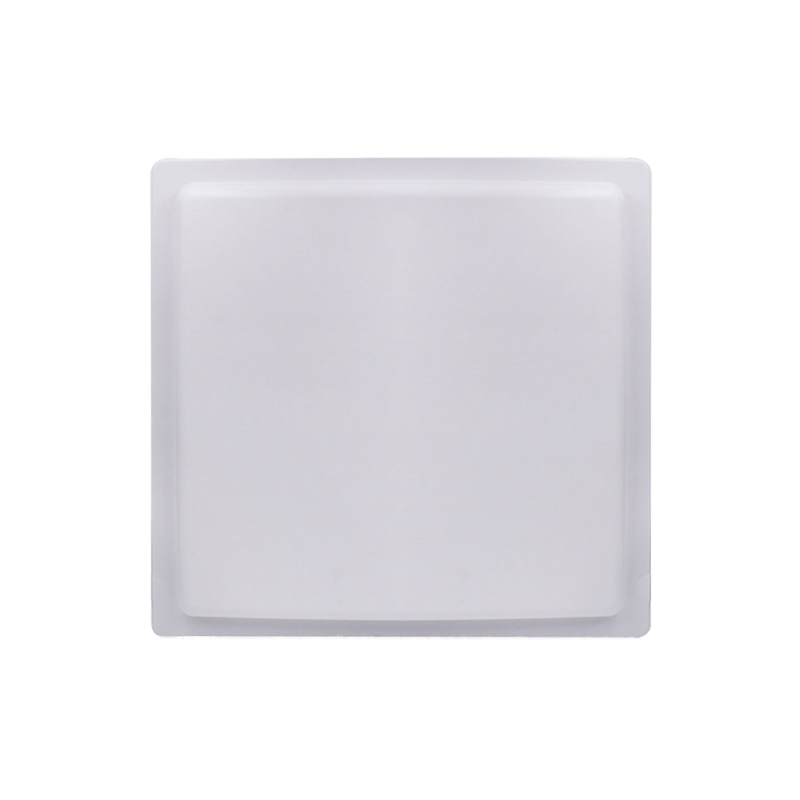
12dBi Circular Linear RFD UHF Reader Antenna
2.3 Wristband Material
RFID wristbands can be made from various materials, including:
- Silicone
- PVC
- Fabric
- Paper
- TPU
Different materials are selected based on durability, comfort, waterproof performance, and application requirements.
3.Types of RFID Wristbands
3.1 Passive RFID Wristbands
Passive RFID wristbands do not contain batteries. They are powered by signals emitted from RFID readers.
Advantages include:
- Lower cost
- Lightweight design
- Long lifespan
- Minimal maintenance
These are the most commonly used RFID wristbands.
3.2 Active RFID Wristbands
Active RFID wristbands contain internal batteries that allow them to broadcast signals over longer distances.
They are often used in:
- Real-time location tracking
- High-security environments
- Large-scale industrial applications
3.3 NFC Wristbands
NFC wristbands are a type of High Frequency RFID wristband designed for short-range communication with smartphones and NFC-enabled devices.
They are widely used for:
- Mobile payments
- Smart ticketing
- Interactive marketing
- Digital access control

Anti Counterfeiting NFC Tags – ISO/IEC14443-A Certified for Secure Product Authentication
4.Applications of RFID Wristbands
4.1 Event Management
RFID wristbands are widely used at concerts, festivals, exhibitions, and sports events.
Benefits include:
- Fast attendee check-in
- Anti-counterfeiting protection
- Cashless payments
- Crowd management
- VIP access control
Event organizers can improve operational efficiency and enhance the visitor experience.
4.2 Healthcare
Hospitals use RFID wristbands for patient identification and medical management.
RFID wristbands help:
- Reduce medical errors
- Track patient information
- Improve patient safety
- Monitor patient movement
They also simplify hospital workflows and improve healthcare efficiency.
4.3 Hotels and Resorts
Hotels use RFID wristbands as room keys and payment tools.
Guests can use RFID wristbands to:
- Unlock hotel rooms
- Access facilities
- Make purchases
- Verify identity
This improves convenience and customer satisfaction.
4.4 Amusement Parks
Theme parks use RFID wristbands for ticket validation and visitor tracking.
Benefits include:
- Shorter waiting times
- Secure entry management
- Cashless transactions
- Personalized guest experiences
4.5 Fitness Centers
Gyms and fitness clubs use RFID wristbands for membership access and locker management.
They help automate:
- Member check-in
- Equipment access
- Attendance tracking
- Payment systems
5. Advantages of RFID Wristbands
RFID wristbands offer many benefits compared with traditional tickets, cards, or manual systems.
5.1 Contactless Operation
Users simply tap or approach a reader without physical contact.
5.2 Faster Processing
RFID systems process information instantly, reducing waiting times and improving efficiency.
5.3 Improved Security
Encrypted RFID chips help prevent unauthorized access and counterfeit tickets.
5.4 Waterproof and Durable
Many RFID wristbands are waterproof, heat-resistant, and suitable for long-term use.
5.5 Better User Experience
RFID wristbands provide convenience for both businesses and users through seamless access and payment functions.
6.RFID Wristbands vs Traditional Barcodes
| Feature | RFID Wristbands | Traditional Barcodes |
| Reading Method | Contactless | Line-of-sight |
| Read Speed | Fast | Slower |
| Multiple Reads | Yes | Limited |
| Security | High | Lower |
| Data Storage | Larger | Limited |
| Durability | Strong | Moderate |
Because of these advantages, RFID wristbands are becoming a preferred solution for modern identification and access systems.
7. Future Trends of RFID Wristbands
As smart technology continues to evolve, RFID wristbands are becoming more advanced.
Future developments may include:
- Integration with IoT systems
- Biometric authentication
- AI-powered analytics
- Enhanced encryption
- Sustainable eco-friendly materials
- Smartphone integration
These innovations will expand the use of RFID wristbands across even more industries.
8. Conclusion
What are RFID wristbands? RFID wristbands are smart wearable devices that use radio frequency technology for identification, tracking, access control, and cashless transactions. By enabling fast and contactless communication with RFID readers, RFID wristbands improve operational efficiency, security, and user experience.
From event management and healthcare to hospitality and entertainment, RFID wristbands are transforming how organizations manage people, access, and services in today’s digital world.