

In an increasingly connected world, Radio Frequency Identification (RFID) technology has become a cornerstone of automated tracking and data collection. But what happens when you need to track the one thing that traditionally disrupts RFID signals—metal? Enter the anti-metal RFID tag, a specialized innovation designed to solve this exact challenge. This comprehensive guide will explore RFID fundamentals, delve into the unique world of metal rfid tag, and provide practical insights into their types, applications, and installation.
1.What is RFID?
RFID (Radio Frequency Identification) is an automated wireless technology that uses electromagnetic fields to identify and track objects. A basic RFID system consists of two main components: a reader (or interrogator) and a tag (or transponder). The reader emits radio waves that activate the tag, enabling data transmission between the two without physical contact or line-of-sight. Unlike barcodes, RFID tags can be read simultaneously, at a distance, and through various materials, making them vastly more efficient for inventory and asset management.
2.What Are RFID Tags Used For?
RFID tags serve as digital identifiers attached to objects, enabling seamless tracking throughout supply chains, enterprises, and daily operations. Key applications include:
Inventory & Warehouse Management: Automating stock-taking and reducing manual errors.
Asset Tracking: Monitoring high-value equipment, tools, and IT infrastructure in real time.
Supply Chain & Logistics: Enhancing visibility from manufacturing to retail.
Access Control & Security: Used in keycards, vehicle identification, and secure area management.
Healthcare & Pharmaceuticals: Tracking medical devices, patient records, and drug authenticity.
3.What is an Anti-Metal RFID Tag?
An anti-metal RFID tag (also known as an on-metal tag) is a specialized tag engineered to function reliably when attached to conductive surfaces like metal. Ordinary RFID tags fail in such environments because metal surfaces reflect and disrupt electromagnetic waves, preventing proper tag activation and communication. Anti-metal tags solve this by integrating a protective layer—typically ferrite or other microwave-absorbing materials—between the tag’s antenna and the metal surface. This layer shields the tag from interference, allowing it to receive and reflect signals effectively even on metal.
4.Types of Anti-Metal RFID Tags
Based on packaging materials and design, anti-metal tags are classified into several types, each suited to specific conditions:
PCB Anti-Metal Tags
Made from flame-retardant FR-4 laminate, these tags offer stable performance and direct adhesion to metal. They are ideal for harsh environments like outdoor power equipment inspection, tower maintenance, high-pressure cylinder tracking, and industrial warehouse management.

Anti Metal UHF RFID Tag Factory
ABS Anti-Metal Tags
Encased in durable ABS engineering plastic, these tags are waterproof, corrosion-resistant, and impact-proof. Commonly used for asset management, cargo tracking, and IT equipment monitoring in both indoor and outdoor settings.

125khz RFID Transponder
Flexible Anti-Metal Tags
These thin, bendable tags can conform to curved metal surfaces like cylinders or containers. They combine excellent read performance with printability, making them suitable for gas cylinder tracking, hazardous material management, and curved asset identification.

Anti liquid RFID Tags For Bottle Tracking
Ceramic Anti-Metal Tags
Built with a ceramic substrate, these tags excel in extreme conditions—resisting high temperatures, chemicals, and prolonged outdoor exposure. They are often used in manufacturing component tracking, industrial tool management, and harsh environment asset control.
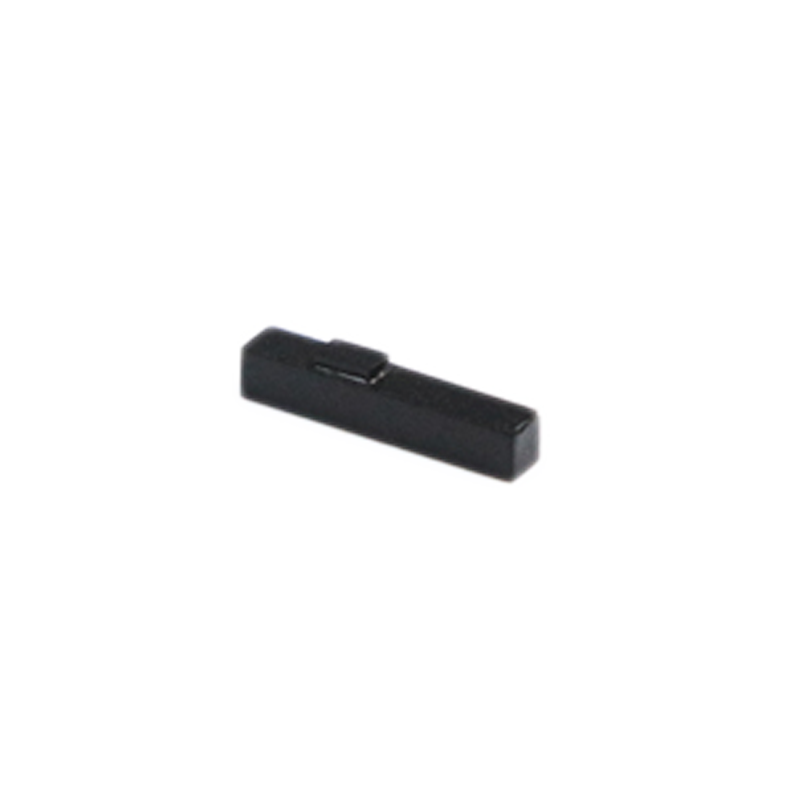
Ceramic UHF Passive RFID Tag
5.Key Application Scenarios
Anti-metal RFID tags bridge the gap where standard RFID fails, enabling automation in metal-rich industries:
IT & Data Centers: Tracking servers, routers, and network hardware.
Manufacturing & Automotive: Managing machinery, tools, and metal components.
Energy & Utilities: Inspecting transformers, power poles, and pipeline equipment.
Construction & Engineering: Tracking precast concrete, steel beams, and heavy machinery.
Healthcare: Monitoring surgical instruments and metal medical devices.
Logistics & Warehousing: Managing metal shelving, containers, and pallets.
6.Installation Methods for Anti-Metal RFID Tags
Proper installation ensures optimal performance and durability. The main methods include:
- Adhesive Backing
The most common approach, using industrial-grade glue or foam tape. Suitable for flat, clean metal surfaces in controlled environments. Performance may decline in extreme cold, heat, or humidity. - Epoxy Bonding
Offers superior strength and environmental resistance. Ideal for permanent attachment in harsh conditions like outdoor industrial sites or high-vibration machinery. - Screw or Rivet Mounting
Used when tags must be mechanically secured. Common for equipment with pre-drilled holes or slots, ensuring maximum stability in high-movement applications. Cable Tie/Wrap Mounting
Provides flexible, non-permanent attachment for pipes, cables, or irregular shapes. Not recommended for long-term outdoor use due to UV degradation of plastic ties.
7.Conclusion
Anti-metal RFID tags represent a critical advancement in RFID technology, unlocking the ability to track metal assets reliably and efficiently. By understanding their design variations—from rugged PCB and ABS tags to flexible and ceramic options—businesses can select the right tag for their environment, whether it’s a data center, factory floor, or outdoor utility site. With proper installation and integration, anti-metal tags not only solve the “metal problem” but also enhance visibility, accuracy, and automation across countless industrial and commercial operations. As connectivity demands grow, these specialized tags will continue to play an essential role in building smarter, more traceable physical ecosystems.