

The retail industry is rapidly evolving as businesses search for smarter ways to manage inventory, improve customer experiences, and reduce operational costs. One of the most transformative technologies driving this change is RFID. Many retailers today are asking: What Is RFID In Retail?
RFID, or Radio Frequency Identification, is a wireless technology that uses radio waves to identify and track products automatically. Unlike traditional barcode systems, RFID allows retailers to scan multiple items simultaneously without direct line-of-sight scanning. This capability makes RFID technology an essential tool for modern retail operations.
In this article, we will explore how RFID works in retail, its key benefits, common applications, and why more retailers are adopting RFID technology worldwide.
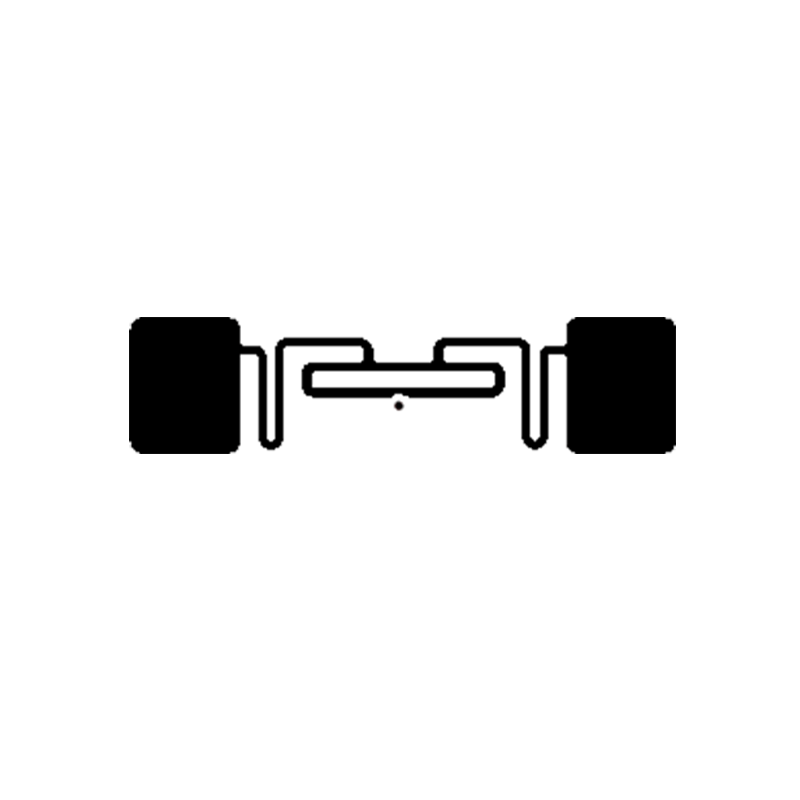
ALN-9962 Short Higgs 9 Clear Wet Inlay
1.What Is RFID In Retail?
RFID in retail refers to the use of RFID tags, readers, and software systems to track merchandise throughout the retail supply chain. Each product is equipped with an RFID tag containing digitally stored information that can be read wirelessly by RFID readers.
Retailers use RFID technology to improve inventory accuracy, streamline stock management, prevent losses, and enhance customer service.
Compared with traditional barcode systems, RFID offers several important advantages:
- No need for manual scanning
- Faster inventory counting
- Real-time product visibility
- Improved stock accuracy
- Enhanced supply chain efficiency
- Better customer shopping experiences
As omnichannel retail continues to grow, RFID technology has become increasingly important for inventory synchronization between physical stores and online platforms.
2.How Does RFID Technology Work in Retail?
An RFID retail system typically consists of three main components:
2.1 RFID Tags
RFID tags are attached to products, labels, or packaging. These tags contain a microchip and antenna that store product information such as:
- Product ID
- SKU number
- Manufacturing details
- Inventory status
- Pricing information
Retailers commonly use UHF RFID tags because they offer long reading distances and fast scanning capabilities.
2.2 RFID Readers
RFID readers send radio signals that activate nearby RFID tags. Once activated, the tags transmit their stored data back to the reader.
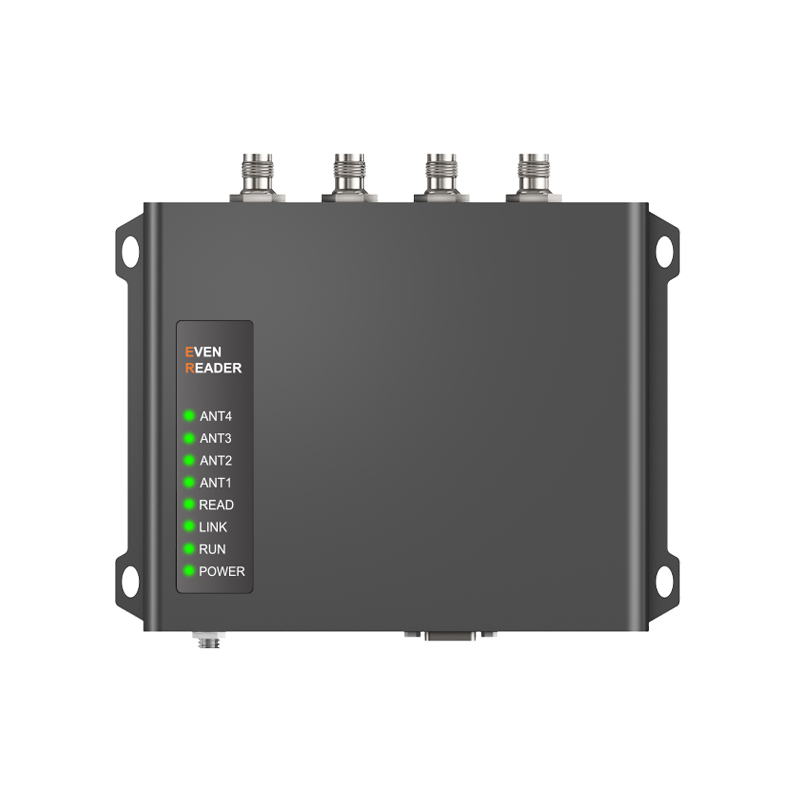
Retail stores may use:
- Handheld RFID readers
- Fixed RFID readers
- RFID portals
- Smart shelves
- Self-checkout systems

Bluetooth RFID Reader
These devices automatically collect product information in real time.
2.3 RFID Management Software
The collected RFID data is processed through retail management software that integrates with:
- Inventory management systems
- ERP systems
- POS systems
- Warehouse management platforms
This allows retailers to monitor stock movement and inventory levels instantly.
3.Benefits of Using RFID Technology in Retail
3.1 Improved Inventory Accuracy
One of the biggest advantages of RFID in retail is highly accurate inventory tracking. Traditional inventory systems often suffer from human errors and inaccurate stock counts.
RFID enables retailers to achieve inventory accuracy rates of over 95%, reducing stock discrepancies and improving replenishment efficiency.
3.2 Faster Inventory Counting
Manual inventory counting is time-consuming and labor-intensive. RFID technology allows employees to scan hundreds of items within seconds without touching each product individually.
This dramatically reduces labor costs and inventory auditing time.
3.3 Better Customer Experience
Customers expect products to be available both online and in stores. RFID helps retailers maintain accurate stock information, ensuring customers can quickly find the products they want.
RFID also supports:
- Faster checkout
- Smart fitting rooms
- Personalized shopping experiences
- Automated product recommendations
3.4 Reduced Theft and Loss Prevention
Retail shrinkage caused by theft, misplaced inventory, and administrative errors is a major concern for retailers.
RFID systems help retailers:
- Monitor product movement
- Detect unauthorized item removal
- Improve anti-theft security
- Reduce inventory loss
3.5 Enhanced Supply Chain Visibility
RFID provides real-time visibility across the entire retail supply chain, from manufacturing to warehouse distribution and final store delivery.
Retailers can:
- Track shipments in real time
- Improve order fulfillment
- Reduce out-of-stock situations
- Optimize warehouse operations
4.Common Applications of RFID in Retail
4.1 Apparel and Fashion Retail
Fashion retailers widely use RFID to manage clothing inventory, improve fitting room experiences, and prevent stock shortages.
RFID tags help track:
- Garments
- Shoes
- Accessories
- Luxury products
Many global fashion brands have successfully implemented RFID for inventory optimization.
4.2 Supermarkets and Grocery Stores
RFID technology helps grocery retailers monitor perishable goods, automate inventory updates, and improve shelf replenishment.
It also supports:
- Cold chain monitoring
- Product traceability
- Faster checkout systems
4.3 Cosmetics and Beauty Products
RFID enables beauty retailers to improve product authentication and reduce counterfeit risks.
Retailers can track:
- Product batches
- Expiration dates
- Sales performance
- Inventory movement
4.4 Electronics Retail
High-value electronic products are often protected with RFID-based anti-theft systems.
RFID helps retailers manage:
- Product warranties
- Asset tracking
- Stock monitoring
- Secure inventory control
4.5 RFID vs Barcode in Retail
Although barcodes remain widely used, RFID technology offers significant improvements.
| Feature | Barcode | RFID |
| Line-of-sight required | Yes | No |
| Multiple item scanning | No | Yes |
| Read speed | Slower | Faster |
| Data storage | Limited | Larger |
| Durability | Moderate | High |
| Automation level | Lower | Higher |
While RFID systems may require higher initial investment, they provide greater long-term operational efficiency.
5.Challenges of Implementing RFID in Retail
Despite its many advantages, RFID adoption may involve some challenges.
5.1 Initial Investment Costs
RFID systems require investment in:
- RFID tags
- Readers
- Software
- Infrastructure
- System integration
However, many retailers achieve strong ROI through improved operational efficiency.
5.2 Integration Complexity
Retailers may need to integrate RFID systems with existing POS, ERP, and warehouse management systems.
Proper planning and professional implementation are essential for successful deployment.
5.3 Data Security and Privacy
Since RFID uses wireless communication, retailers must ensure proper data encryption and access control to protect sensitive information.
5.4 Future Trends of RFID in Retail
RFID technology continues to evolve with advancements in:
- AI-powered analytics
- IoT integration
- Smart shelves
- Automated checkout
- Real-time customer tracking
- Digital retail transformation
As RFID costs continue to decrease, more small and medium-sized retailers are expected to adopt the technology.
The future of retail will likely rely heavily on RFID-enabled automation and intelligent inventory management.
6.Conclusion
So, What Is RFID In Retail? RFID is a powerful technology that enables retailers to track products automatically, improve inventory accuracy, optimize supply chain operations, and enhance customer experiences.
Using RFID technology in retail helps businesses reduce costs, improve efficiency, minimize losses, and support modern omnichannel retail strategies.
As consumer expectations continue to rise, RFID is becoming an essential tool for retailers seeking competitive advantages in today’s fast-changing market.