

In today’s digital business environment, companies are constantly looking for smarter ways to manage assets, improve operational efficiency, and reduce losses. One technology that has become increasingly popular across industries is RFID tracking. Many organizations ask, What Is RFID Tracking, and how can it help improve asset management? The answer lies in RFID’s ability to provide real-time visibility, automated data collection, and accurate asset tracking throughout the entire lifecycle of an item.
1.What Is RFID Tracking?
RFID tracking refers to the use of Radio Frequency Identification (RFID) technology to identify, monitor, and track physical assets automatically. An RFID system typically consists of three main components:
- RFID tags attached to assets
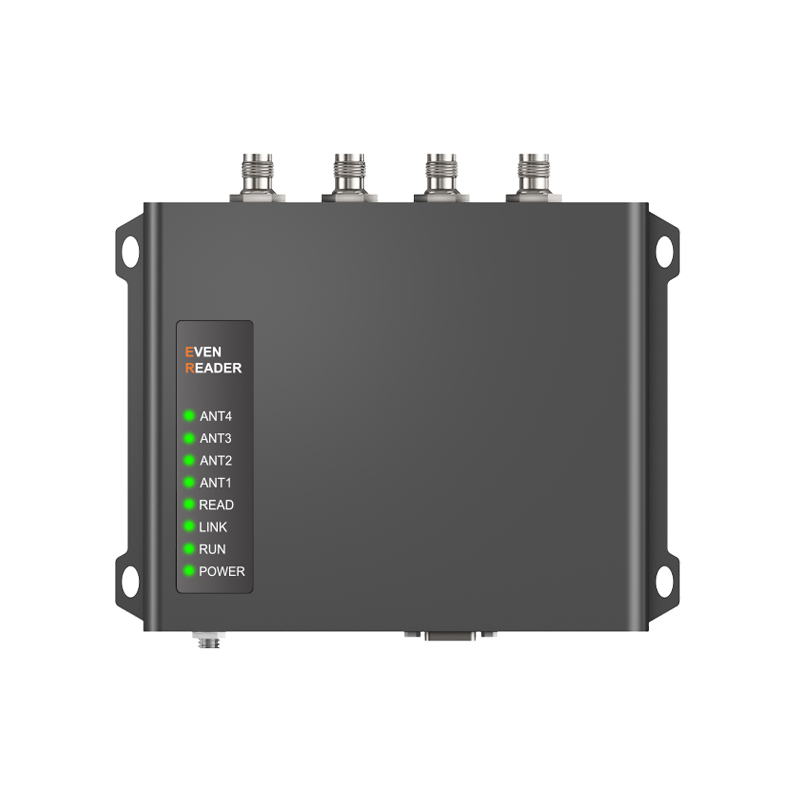
- RFID readers that capture tag information
- Software that processes and manages tracking data
Unlike traditional barcode systems that require line-of-sight scanning, RFID tags can be read wirelessly from a distance, even when multiple items are scanned simultaneously. This capability makes RFID tracking a highly efficient solution for inventory management, asset tracking, logistics, manufacturing, healthcare, and retail operations.
2.How RFID Asset Tracking Works
RFID asset tracking works by attaching RFID tags to valuable assets such as equipment, tools, vehicles, containers, or inventory items. When these tagged assets pass within range of an RFID reader, the reader captures the unique identification information stored on the tag.
The collected data is then transmitted to a management platform, where users can monitor asset locations, movement history, status, and usage patterns in real time.
The process typically includes:
- Tagging assets with RFID labels or hard tags.
- Installing RFID readers at strategic locations.
- Capturing asset movement automatically.
- Updating asset records in real time.
- Generating reports and analytics for decision-making.
This automated approach eliminates many of the manual tasks associated with traditional asset management systems.
3.What Are the Benefits of RFID Asset Tracking?
The growing adoption of RFID technology is largely driven by the significant benefits it provides. Below are some of the most important advantages of RFID asset tracking.
3.1 Improved Asset Visibility
One of the biggest benefits of RFID asset tracking is real-time visibility.
Organizations can instantly locate assets across warehouses, offices, factories, hospitals, or outdoor environments. Instead of spending hours searching for misplaced equipment, employees can quickly identify the exact location of an asset.
This visibility helps reduce downtime and improves operational efficiency.
3.2 Increased Inventory Accuracy
Manual inventory counting is often time-consuming and prone to human error.
RFID tracking automates inventory management by allowing multiple items to be scanned simultaneously without direct line of sight. As a result, businesses can achieve inventory accuracy rates exceeding 95% in many applications.
Accurate inventory data helps prevent stock shortages, overstock situations, and costly discrepancies.
3.3 Reduced Asset Loss and Theft
Asset loss is a major concern for organizations managing high-value equipment and inventory.
RFID systems can automatically monitor asset movement and trigger alerts when items leave designated areas without authorization. This capability significantly reduces theft, misplacement, and unauthorized asset usage.
Businesses can maintain better control over valuable resources while lowering replacement costs.
3.4 Enhanced Operational Efficiency
RFID asset tracking eliminates many manual processes associated with asset management.
Employees no longer need to manually record asset information, conduct frequent physical audits, or search for equipment. Automated data collection speeds up workflows and allows staff to focus on more productive tasks.
This improved efficiency often translates into lower labor costs and higher productivity.
3.5 Real-Time Data and Reporting
RFID systems provide continuous access to real-time asset information.
Managers can monitor:
- Asset location
- Usage frequency
- Maintenance schedules
- Inventory levels
- Movement history
With access to accurate and up-to-date data, organizations can make faster and more informed business decisions.

Anti Metal RFID Tag
3.6 Better Maintenance Management
For industries that rely heavily on equipment, maintenance is critical.
RFID asset tracking helps organizations track maintenance schedules and service history automatically. Notifications can be generated when equipment requires inspection, calibration, or repair.
Preventive maintenance reduces unexpected breakdowns and extends asset lifespan.
3.7 Scalability Across Industries
RFID asset tracking solutions can be deployed across various industries, including:
- Manufacturing
- Healthcare
- Retail
- Logistics
- Construction
- Education
- Government facilities
Whether tracking hundreds or millions of assets, RFID systems can scale to meet changing business requirements.
3.8 Cost Savings and Higher ROI
Although RFID implementation requires an initial investment, the long-term benefits often generate substantial returns.
Organizations typically experience savings through:
- Reduced labor costs
- Lower inventory losses
- Improved asset utilization
- Faster inventory audits
- Enhanced operational efficiency
Over time, these savings can significantly outweigh the deployment costs.
4.Common Applications of RFID Tracking
RFID tracking is widely used in numerous applications, including:
4.1 Warehouse Management
Track pallets, containers, and inventory automatically throughout the supply chain.
4.2 Equipment Tracking
Monitor tools, machinery, and valuable assets across multiple locations.
4.3 Healthcare Asset Management
Track medical devices, hospital equipment, and patient-related assets to improve care and efficiency.
4.4 Retail Inventory Management
Enable accurate stock monitoring, faster replenishment, and improved customer service.
4.5 Vehicle and Fleet Tracking
Monitor vehicle movement, maintenance schedules, and asset utilization.
4.6 Future of RFID Asset Tracking
As businesses continue adopting digital transformation strategies, RFID tracking is becoming an essential component of smart asset management systems. Integration with technologies such as the Internet of Things (IoT), cloud computing, artificial intelligence (AI), and real-time analytics is further enhancing RFID capabilities.
Future RFID solutions will provide even greater visibility, automation, and predictive insights, helping organizations optimize operations and maximize asset performance.
5.Conclusion
So, What Is RFID Tracking? It is a wireless identification and tracking technology that enables organizations to monitor assets automatically, accurately, and in real time. By implementing RFID asset tracking, businesses gain improved visibility, increased inventory accuracy, reduced losses, enhanced operational efficiency, and significant cost savings.
As industries continue to embrace automation and data-driven decision-making, RFID asset tracking will remain one of the most valuable tools for improving asset management and achieving long-term operational success.