

What Material Blocks RFID? This is a critical question for anyone concerned with the security of their contactless credit cards, passports, and key fobs in an increasingly wireless world. Fortunately, a variety of common and specialized materials can create a powerful shield, forming a protective barrier known as a Faraday cage to stop unauthorized scans and digital pickpocketing dead in their tracks.
1.Overview of RFID Systems
Radio frequency identification systems consist of two parts: tags and readers. Tags are attached to items that need to be identified, while readers are responsible for reading tag information. RFID systems are widely used in logistics, retail, manufacturing, and many other fields.
2.Implementation of RFID Systems
2.1 Hardware Components
- Tags: Contain microchips and antennas, used to store information and respond to signals from readers.
- Readers: Transmit radio waves and receive response signals from tags, process data, and send it to back-end systems.
- Middleware: Connects the reader and enterprise systems, handles data format conversion and business logic.
- Backend System: Stores and analyzes RFID data, provides decision support.
2.2 Software Components
- Database Management: Stores RFID data and supports data queries and report generation.
- Business Logic Processing: Processes RFID data according to business requirements, such as inventory management and asset management.
- User Interface: Provides a user interface for operators to monitor and manage the RFID system.
2.3 Implementation Steps
- Requirement Analysis: Identify the application scenarios and business requirements for the RFID system.
- System Design: Select appropriate hardware and software based on requirements and design the system architecture.
- Hardware Deployment: Install tags and readers to ensure coverage of all critical areas.
- Software Configuration: Configure middleware and backend systems to ensure smooth data transmission and processing.
- Testing and Optimization: Conduct system testing and optimize system performance based on test results.
- Training and Go-Live: Train operators and officially launch the RFID system.
3.Types and selection of RF shielding materials
RF shielding materials are used to prevent RFID signal interference and protect sensitive areas from external signals. The following are several common types of RF shielding materials and their characteristics:
3.1 Metal shielding materials
- Aluminum foil: Low cost, good shielding effect, but easily damaged.
- Copper foil: Better shielding effect than aluminum foil, but higher cost.
- Stainless steel: High strength, good shielding effect, but higher cost.

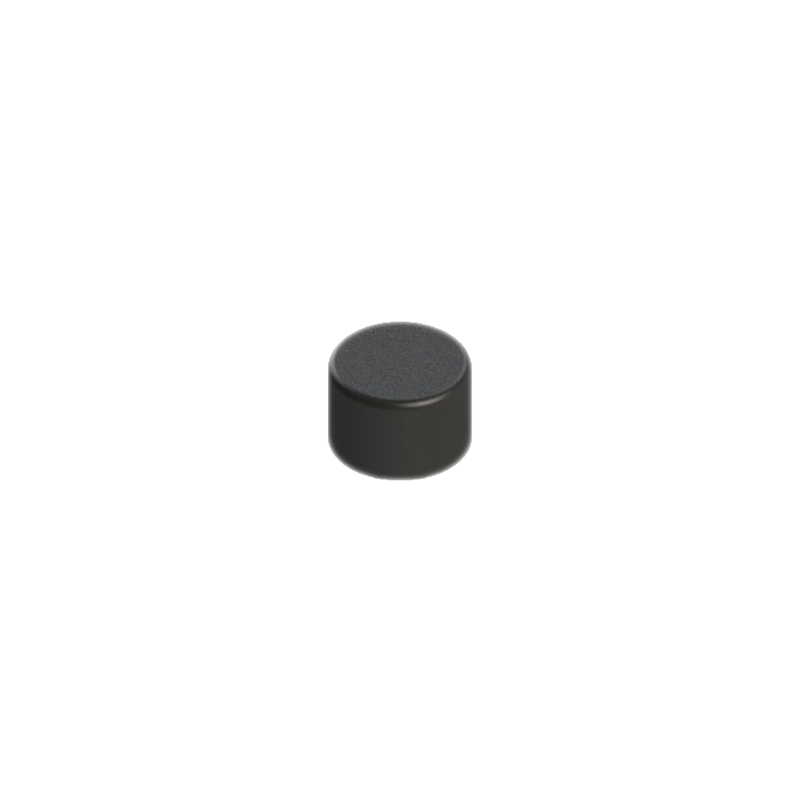
125khz RFID Transponder
3.2 Conductive plastics
- Conductive plastic: Lightweight and flexible, but shielding performance is inferior to metal materials.
3.3 Conductive coatings
- Conductive coatings: Easy to apply, suitable for irregularly shaped surfaces, but shielding performance is limited.
3.4 Shielding mesh
- Metal mesh: Good air permeability, suitable for applications requiring ventilation, but shielding performance is affected by mesh size.
3.5 Selection Criteria
- Shielding Effectiveness: Select appropriate materials based on the required frequency range for shielding.
- Cost: Consider material costs and construction costs.
- Environmental Adaptability: Consider the material’s weather resistance, chemical resistance, and mechanical strength.
- Aesthetics: Consider the material’s appearance and compatibility with the surrounding environment.
4.Conclusion
The implementation of an RFID system requires comprehensive consideration of hardware, software, and implementation steps. The selection of radio frequency shielding materials should be based on a comprehensive consideration of factors such as shielding effectiveness, cost, environmental adaptability, and aesthetics. Through reasonable design and selection of appropriate materials, the effective operation of the RFID system and the accuracy of data can be ensured.